
How To Remove LED Strip Lights From The Wall?
Pull an LED strip straight off the wall and you're likely pulling paint with it — peeling at a low angle, almost parallel to the surface, is what keeps the finish intact.
 Eugen
EugenEugen Nikolajev
Creator of LED Lighting Info
Hi, I am Eugen. I was always one of those kids who had all sorts of weird lighting gadgets for every occasion.
Now, I want to share my knowledge and experience about lighting with you on LED Lighting Info.
Read my editorial standards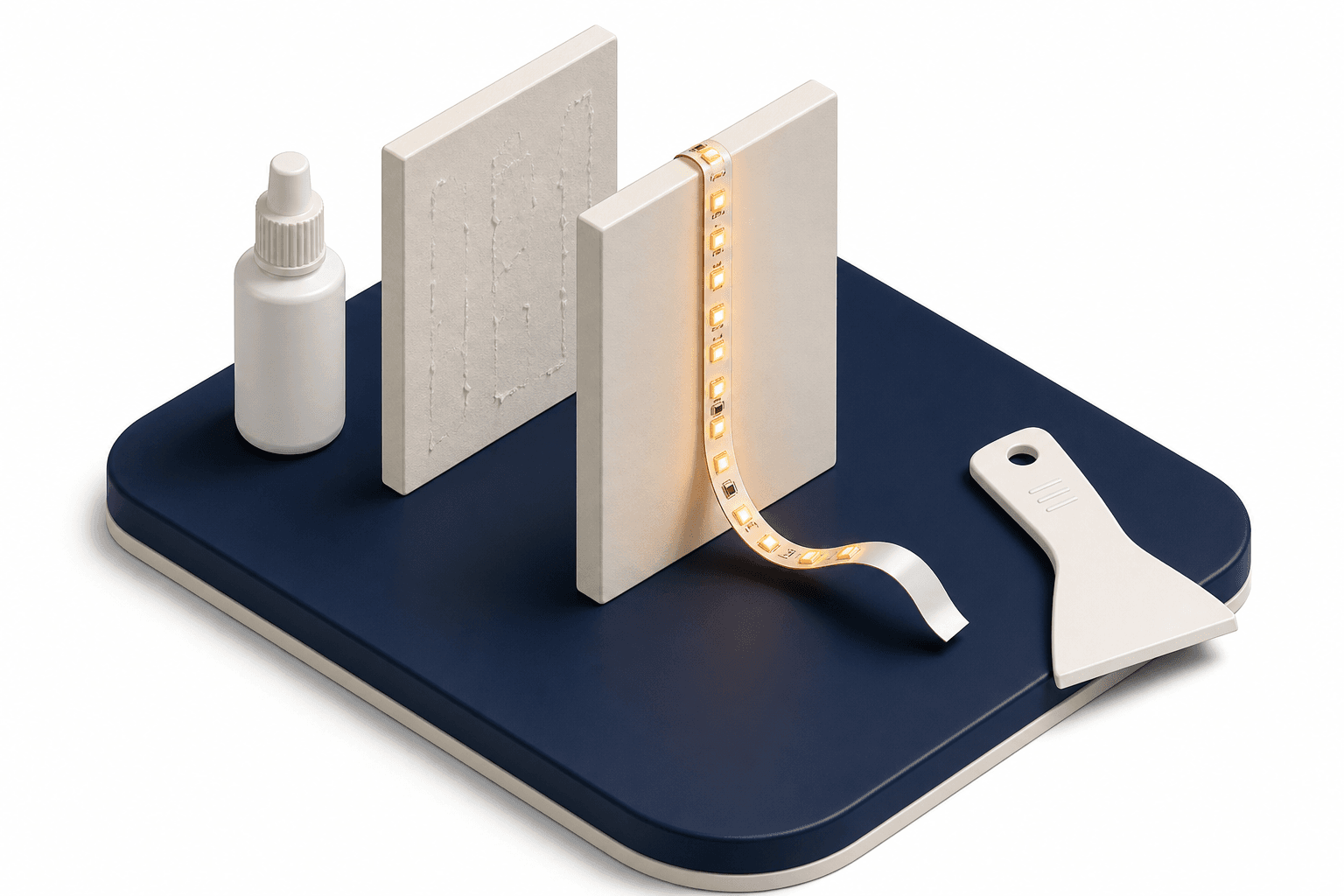
Key Takeaways
The right removal method depends on your surface:
- Painted wall (latex or oil-based): warm the adhesive with a hairdryer on its lowest setting, peel slowly with a credit card, treat residue with Goo Gone
- Glazed tile, finished wood, or plastic: peel slowly; expect to wipe a little residue
- Wallpaper or bare drywall: expect surface damage; weigh whether removal is worth the repair
- Command strips: pull the release tab slowly straight down, parallel to the wall
Living in rented accommodation can make it hard to put your stamp on a place without leaving permanent marks on fixtures and fittings.
Nobody wants to lose their deposit, so LED light strips are a popular choice — they go up and come down without damage, provided you're careful with the removal.
In this guide, I'll cover:
- The adhesives used on LED strip lights
- Which wall surfaces are most at risk during removal
- Step-by-step removal from painted walls, ceilings, and Command strip mounts
- Getting sticky residue off the wall
- Reusing strips after removal, and when to give up and accept the loss
What Adhesive Is Used On LED Strip Lights?
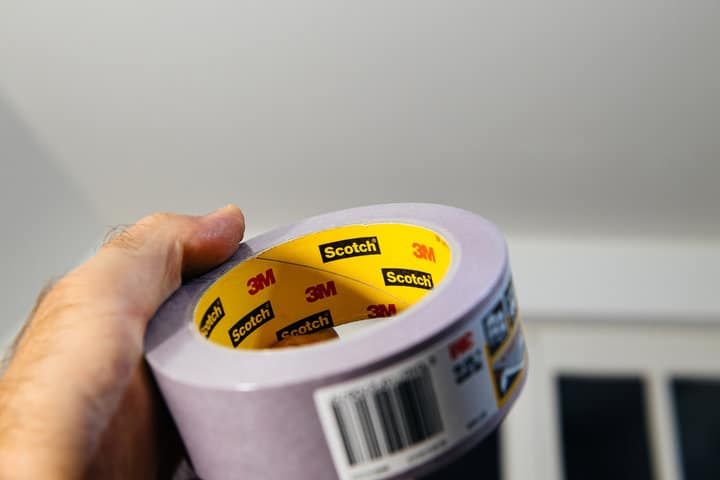
Many well-known LED strip brands ship with 3M-branded acrylic adhesive tape — commonly from the VHB or 300LSE families — although the specific grade varies by manufacturer and product line. Budget strips often use generic acrylic foam tape, and waterproof or high-output strips may be designed to mount in aluminum channels instead of sticking directly to the wall.
Acrylic pressure-sensitive adhesives are viscoelastic. Under pressure, they flow into the micro-irregularities of a surface (a property called wet-out), then hold elastically once bonded. That's why VHB-style tapes grip securely even on slightly uneven walls.
There are real-world limits. The tape loses tack over time and bonds poorly to glossy or oily surfaces. The light-duty acrylic tape used on many budget strips can also lose grip in humid environments such as bathrooms. Heavier-duty 3M VHB-grade tape is rated for moisture and outdoor use — so for kitchens, bathrooms, or outdoor projects, choose strips with VHB-grade backing or upgrade the tape after purchase.
The adhesive is also single-use. Once a strip is peeled off, you'll need to apply fresh double-sided tape before mounting it anywhere new.
I've seen people switch to all sorts of alternatives — foam tape, double-sided glue dots, hot glue, Gorilla tape. Command strips are the safer choice for rentals: they're engineered to release cleanly when you pull the tab in the correct direction.
Do LED Strip Lights Damage Walls?
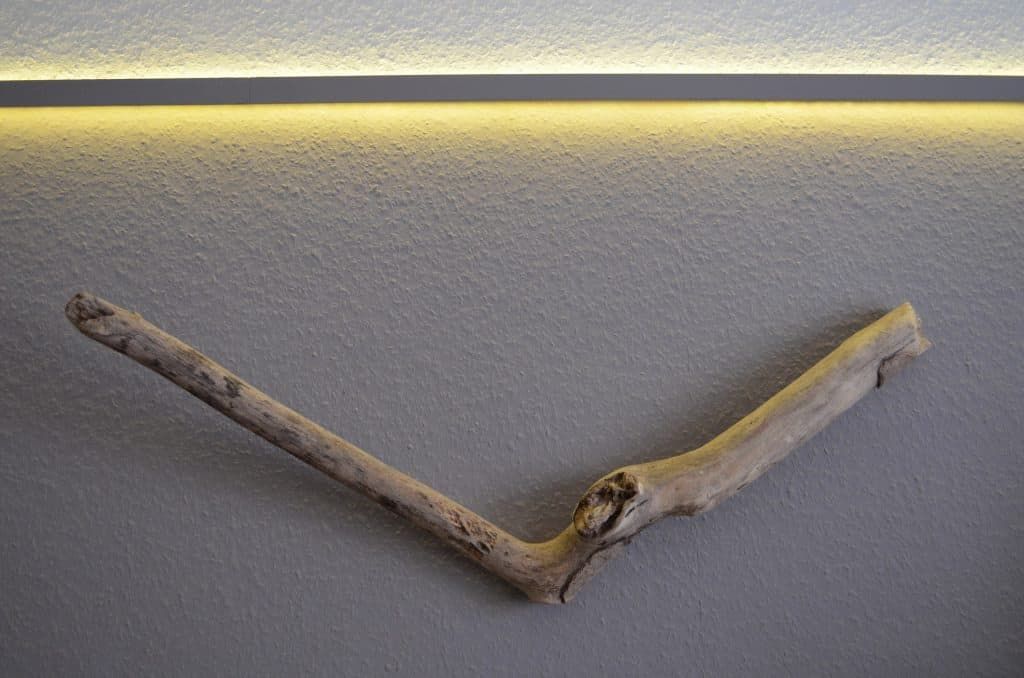
Whether removal damages the wall depends almost entirely on the surface. Some materials shed adhesive easily; others bond so well that the tape lifts the surface with it.
| Surface | Damage Risk | Notes |
|---|---|---|
| Bare drywall | High | Adhesive bonds stronger than the paper face of the gypsum board |
| Wallpaper | High | Likely to tear, ripple, or lose color — patterns make damage obvious |
| Latex-painted wall | Medium | Use the hairdryer method; peel at a shallow angle |
| Oil-painted wall | Medium | Use the hairdryer method; fully cured paint is more forgiving |
| Unsealed wood / raw plaster | Medium | Adhesive absorbs into the surface; expect residue or lifted grain |
| Porous or unsealed stone | Medium | Tape residue can stay trapped in the grain |
| Glazed ceramic tile | Low | Residue wipes off easily with a damp cloth |
| Finished/sealed wood | Low | Generally safe; check for unsealed seams |
| Smooth plastic | Low | Generally safe |
A few notes on the higher-risk surfaces:
Wallpaper is just paper. Strong adhesive on paper forms an excellent bond — the same reason sellotape works for wrapping gifts. When you peel an LED strip off wallpaper, expect tearing, rippling, or color loss. Patterned wallpaper makes any damage doubly obvious, because you can't easily paint over it.
Bare drywall has nothing protecting the paper face of the gypsum board. The acrylic adhesive bonds to that paper more strongly than the paper bonds to the gypsum, so removal can lift visible chunks of the surface.
Painted walls are a middle case. Whether the paint comes away with the strip depends on how fully it cured, how strong the original coat was, and how patiently you work.
How To Remove LED Strip Lights Without Peeling Paint
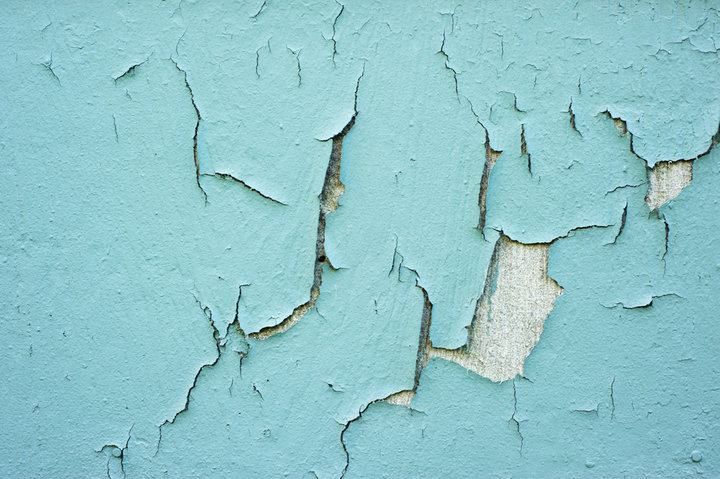
Before you start: unplug the LED strip from its power source and let it cool to room temperature. Working on live electrical equipment is unnecessary and unsafe. This step applies to every removal method below.
Removing An LED Strip From A Painted Wall
The same gentle-heat technique works for both latex and oil-based paints. Paint type doesn't change the steps — only your patience does.
- Confirm the strip is unplugged.
- Set a hairdryer to its lowest heat setting and hold it several inches from the strip. Move it slowly along the strip in short bursts to warm the adhesive without baking it. Stop if the strip becomes uncomfortably warm to the touch — concentrated heat can damage the flexible PCB, scorch the adhesive backing, and warp plastic components. Avoid holding the dryer in one spot.
- Starting at a corner, slide a credit card or a razor scraper (held nearly flat to the wall) under the strip.
- Wiggle the card under the adhesive while gently pulling the strip away with your other hand. Pull along the wall, not outward — peeling at a low angle dramatically reduces the chance of lifting paint.
- Continue along the strip, re-warming sections as the adhesive resists. Take your time; rushing is how paint comes off.
- Treat any residue with Goo Gone Adhesive Remover or a small amount of rubbing alcohol on a cloth — applied to the cloth, not the wall. Always spot-test on a hidden area first; even mild solvents can dull or lift some latex paints.
Removing LED Strips From A Ceiling
Ceiling removal adds two challenges: gravity pulls the strip down as you peel, and reaching overhead changes your leverage. Work from a stable ladder or platform — never a chair.
Peel in short sections and let the strip droop onto your free hand as it releases, rather than letting long sections dangle. The weight of a hanging strip can rip a wider band of paint off in one go. For long runs, ask a helper to support sections you've already freed. Re-warm the next section before peeling rather than yanking through cooled adhesive.
Removing LED Strips Held With Command Strips
Command strips are designed to release without surface damage — but only if you remove them correctly.
- Locate the small release tab at the bottom of each Command strip — it usually sticks out beyond the LED strip itself.
- Hold the LED strip in place against the wall with one hand so it doesn't snap back when the adhesive releases.
- With your other hand, pull the tab slowly straight down, parallel to the wall — never outward. The adhesive stretches and releases as the tab extends.
- Keep pulling until the tab is fully extended and the strip falls away. Repeat for each Command strip along the run.
Check the weight rating on the Command strip packaging before relying on it for a long LED run. If the strip's weight exceeds the load rating, the adhesive eventually stretches and detaches as designed — but with the LED strip crashing to the floor on the way.
How To Get LED Strip Light Residue Off The Wall
Adhesive residue is one of the most common post-removal problems, especially when the strip has been in place for months or longer. Residue usually takes one of three forms:
- Tacky and stringy — softer, recent adhesive that hasn't fully cured. Easiest to remove.
- Hard and gummy — older adhesive that has started to cross-link. Needs softening before it lifts.
- Discolored shadow — a mark where the adhesive penetrated paint or stained the surface. Usually unrecoverable without repainting.
Work through these steps in order and stop at whichever removes the residue:
- Thumb pressure. Rub your thumb over the residue in a circular motion. Soft residue often balls up and lifts off without any solvent at all.
- Rubbing alcohol. Apply a small amount to a clean cloth (never directly to the wall) and rub gently. Keep passes short — even isopropyl alcohol can soften latex paint with prolonged rubbing. Stop immediately if the cloth picks up any paint color.
- Goo Gone Adhesive Remover. Spot-test first on a hidden patch of wall. Dab onto the residue, wait the time recommended on the bottle, then wipe with a clean damp cloth.
- Repainting. If the residue or its shadow won't lift, the fastest fix is a touch-up coat of matching paint over the affected area.
Skip WD-40 on painted walls. It's a petroleum distillate that leaves an oily film, can permanently discolor latex paint, and prevents future paint from adhering to the spot.
Reusing LED Strips After Removal
The original adhesive backing is single-use. Once a strip has been peeled off, you'll need to apply fresh tape before reattaching it anywhere. Look for double-sided acrylic foam tape that matches the width of your strip — 3M VHB tape (such as 4910 for clear strips or 5952 for darker applications) is widely available in narrow rolls.
Cut the new tape to length, peel one liner, press it firmly onto the back of the strip, then peel the second liner before mounting. If the original tape left any adhesive stuck to the strip itself, scrape it off with a credit card first — fresh tape bonds best to a clean, dry surface.
When To Accept The Loss
Some installations aren't worth the risk. Consider leaving the strip in place or budgeting for a repair if any of the following apply:
- The strip has been on bare drywall for more than a year.
- The strip runs across a wallpaper seam or patterned wallpaper.
- The wall has heavy texture, a popcorn finish, or a thin or aged paint job.
- The strip is mounted overhead on aged ceiling paint.
- Paint or surface material is already visible on the adhesive at the edges where the strip lifts slightly.
In my experience, the cost of a small drywall patch and a repaint is usually less than the cost of replacing both the strip and the section of wall you tear up trying to save it.
FAQ
How do I remove Govee LED strip lights?
Govee LED strips use 3M acrylic adhesive backing. Warm the adhesive with a hairdryer on its lowest heat setting, moving the dryer constantly so no section overheats. Then slide a credit card under one end and peel slowly along the wall — never straight outward. Treat any residue with Goo Gone or a small amount of rubbing alcohol on a cloth, spot-testing first on a hidden area.
Will LED strip lights rip the paint?
LED strip lights can pull paint off the wall if you remove them too quickly or skip warming the adhesive first. The acrylic tape on most strips bonds tightly to the paint film, and on weaker or older paint jobs that bond can be stronger than the bond between the paint and the wall. To minimize the risk, warm the adhesive with a hairdryer on low, peel slowly at a shallow angle parallel to the wall, and keep any solvents on the cloth rather than the wall itself.
Can I use lacquer thinner to remove LED strips from a latex-painted wall?
No. Lacquer thinner is a blend of aggressive solvents (typically toluene, acetone, and methanol) that readily dissolves latex paint — it's actually one of the products recommended for stripping latex. There is no safe window where it removes the adhesive without attacking the paint. Use the hairdryer-and-peel method instead, and treat any residue with Goo Gone.
Can I use WD-40 to remove sticky residue from the wall?
Avoid WD-40 on painted walls. It's a petroleum distillate that leaves an oily film, can permanently discolor latex paint, and prevents future paint from adhering. Use Goo Gone Adhesive Remover or a small amount of rubbing alcohol on a cloth instead.
Final Words
LED strip lights are a great pick for renters and anyone who likes changing their lighting setup often — but only if you remove them carefully. Low heat, a shallow peel angle, and the right adhesive remover do most of the work.
If you're not sure how your specific wall will react, run a patch test before committing to a full installation. Stick a small piece of the adhesive tape to an inconspicuous spot — behind a cupboard or inside a closet — leave it for a day or two, then peel it off and check for lifting or staining. If the test patch comes away cleanly, you're clear to install on the main wall.
If you're researching this before installation, my companion guide on how to stick LED light strips to the walls covers proper preparation to minimize removal damage in the first place.