Matter
A unified smart home standard backed by Apple, Google, Amazon, and Samsung. Devices certified for Matter work across all major ecosystems — ending the 'which app?' problem.
Matter is the smart home industry's answer to the compatibility nightmare. Before Matter, buying a smart bulb meant choosing sides: Philips Hue works with HomeKit but needs a bridge; Wyze works with Alexa but not HomeKit; some devices work with Google but not SmartThings. Matter makes all of this irrelevant — a Matter-certified device works with every major platform.
Backed by Apple, Google, Amazon, Samsung, and over 500 other companies, Matter defines a common application layer that all platforms understand. It can run over Wi-Fi (for devices near routers), Thread (for low-power mesh devices), or Ethernet (for hubs and bridges). The underlying transport doesn't matter to the user — everything just works.
For smart lighting specifically, Matter means you can buy the best bulb or switch regardless of brand and know it will work with your existing ecosystem. Early Matter devices have had some growing pains with firmware updates and feature parity, but the standard is maturing rapidly. If you're building a new smart home today, prioritizing Matter-compatible devices is the safest long-term bet.
Specifications
| Backed by | Apple, Google, Amazon, Samsung |
| Transport | Wi-Fi, Thread, Ethernet |
| Key promise | Cross-platform compatibility |
Related Terms
- Thread
A modern IP-based mesh networking protocol for smart home devices. Low-power like Zigbee but uses internet protocol natively — a foundation for Matter.
- Zigbee
A low-power wireless mesh protocol for smart home devices. Requires a hub but is more reliable and scalable than Wi-Fi — each device extends the network for others.
- Smart Hub
A central device that bridges smart home protocols (Zigbee, Z-Wave) to your home network. Required for some smart lights, optional for Wi-Fi bulbs.
Mentioned in
Can You Use LED Bulbs For Bearded Dragons?
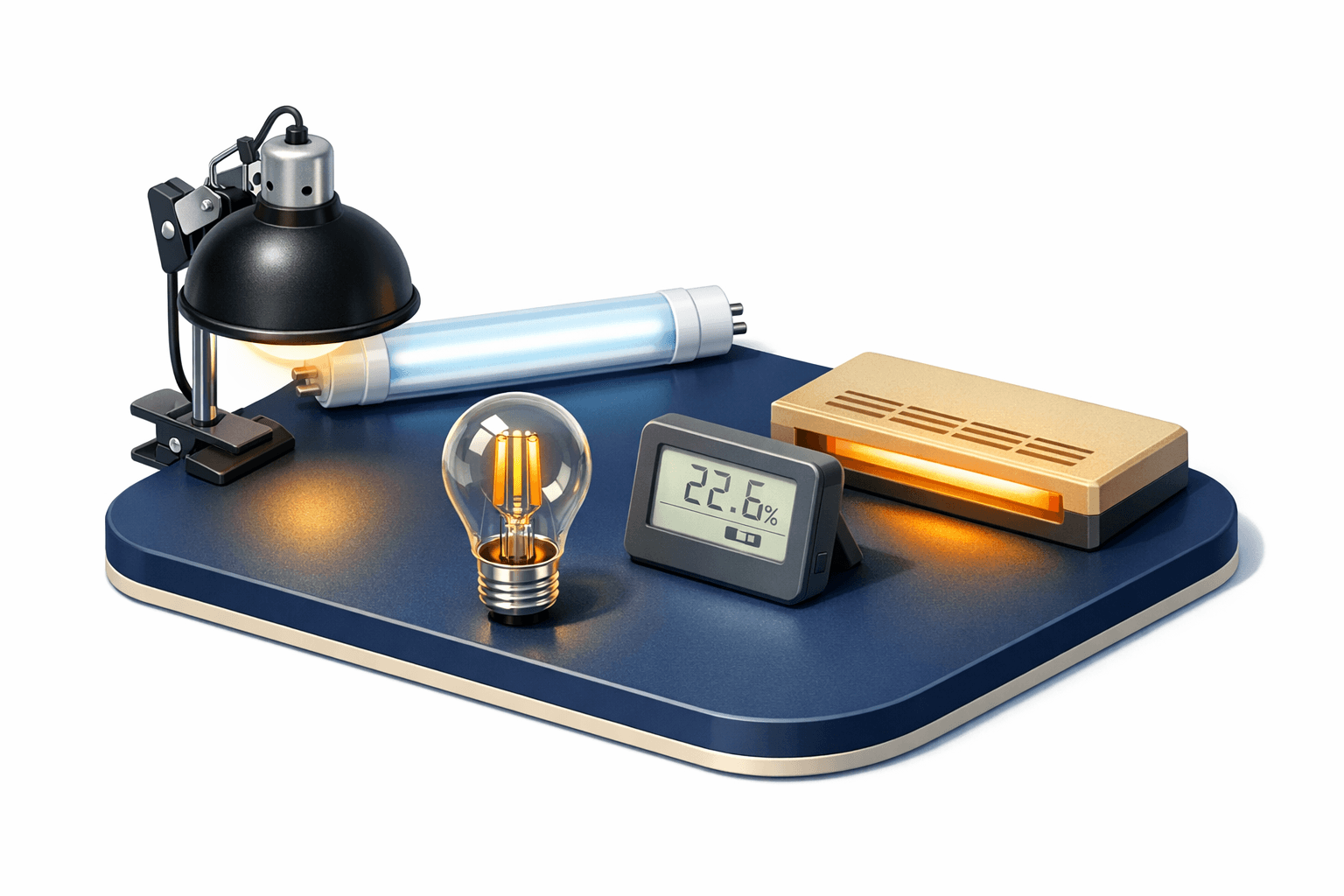
An LED won't warm a basking spot to 100°F no matter how powerful it is — and heat is only half what a bearded dragon's biology demands from its lighting.
Can I Take LED Lights On A Plane Carry-On?
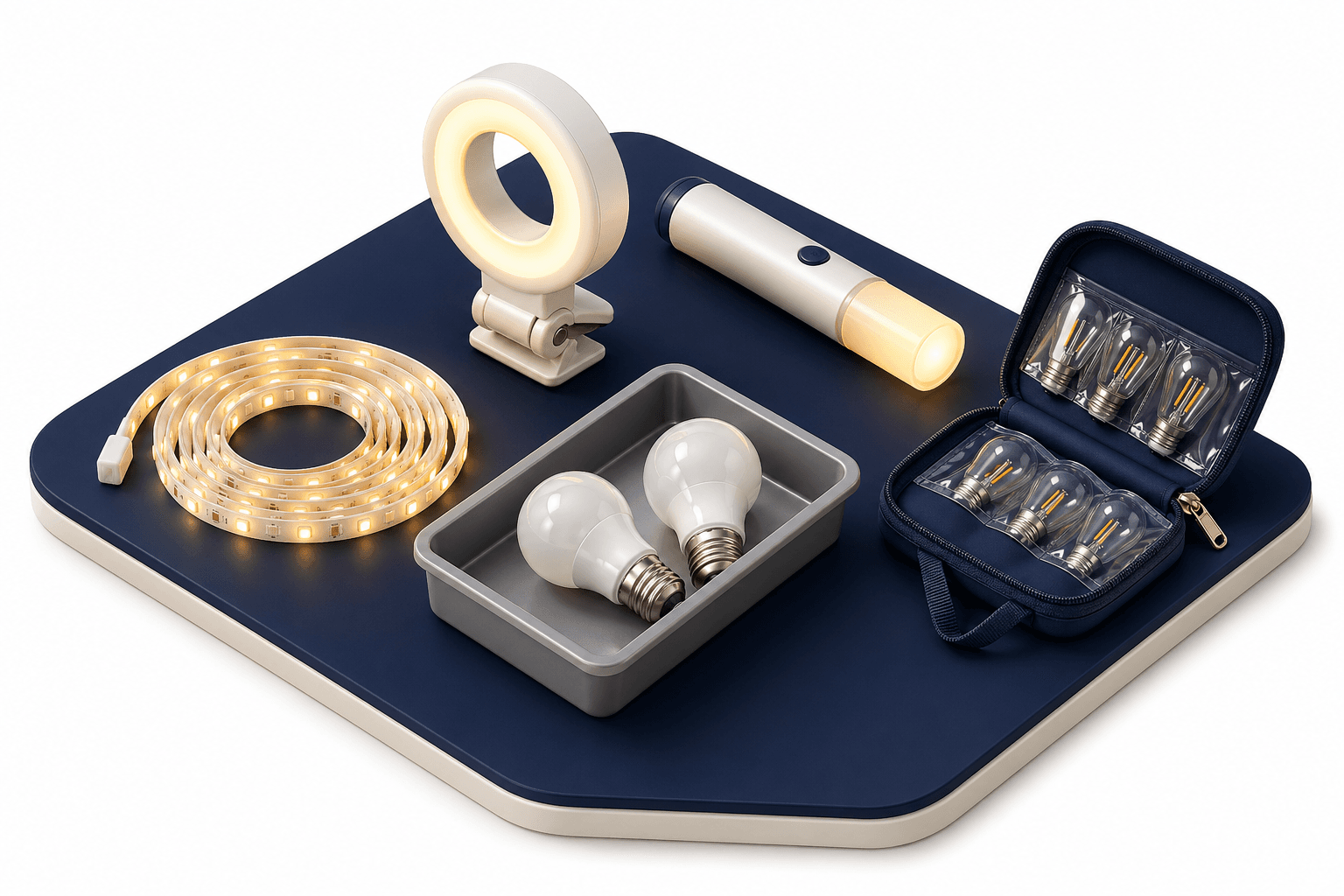
Spare lithium batteries and power banks must go in carry-on — never checked bags — no matter how small they are. That rule catches even experienced travelers off guard at the security lane.
Do LED Bulbs Have Polarity?
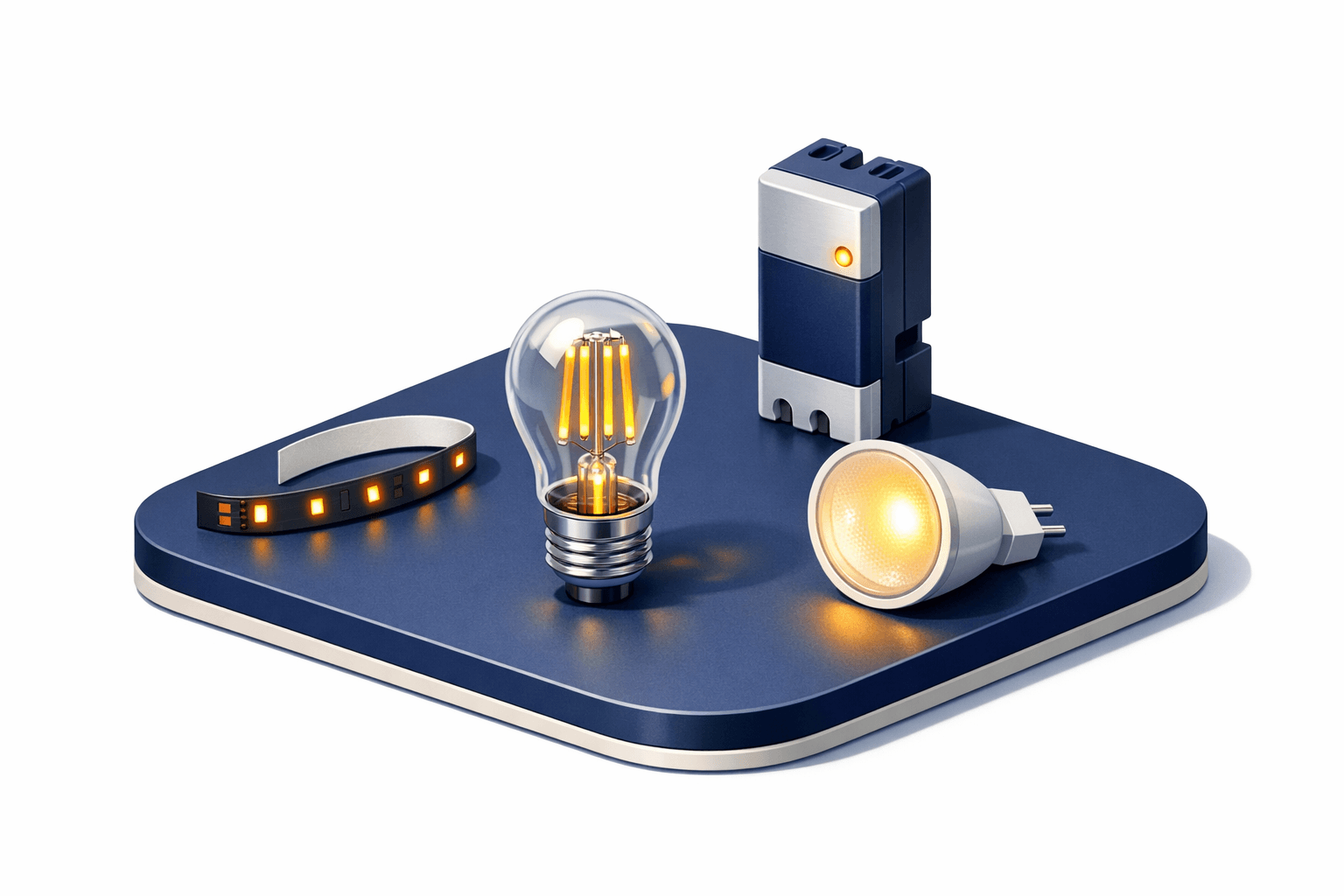
A 9V battery connected backward can permanently kill a common indicator LED — its reverse breakdown threshold is often just 5V. That quiet failure is why polarity checks matter before any LED hits a circuit.
How To Install 120V Landscape Lighting?
A small voltage drop that barely registers on a 120V circuit can visibly dim your fixtures at 12V — which is why transformer placement and wire gauge matter more than most installers expect.