
What Is The Difference Between Table And Buffet Lamp?
The 58–64 inch rule governs both lamp types — the target height for any lampshade off the floor, and the real reason buffet and table lamps aren't interchangeable.
 Eugen
EugenEugen Nikolajev
Creator of LED Lighting Info
Hi, I am Eugen. I was always one of those kids who had all sorts of weird lighting gadgets for every occasion.
Now, I want to share my knowledge and experience about lighting with you on LED Lighting Info.
Read my editorial standards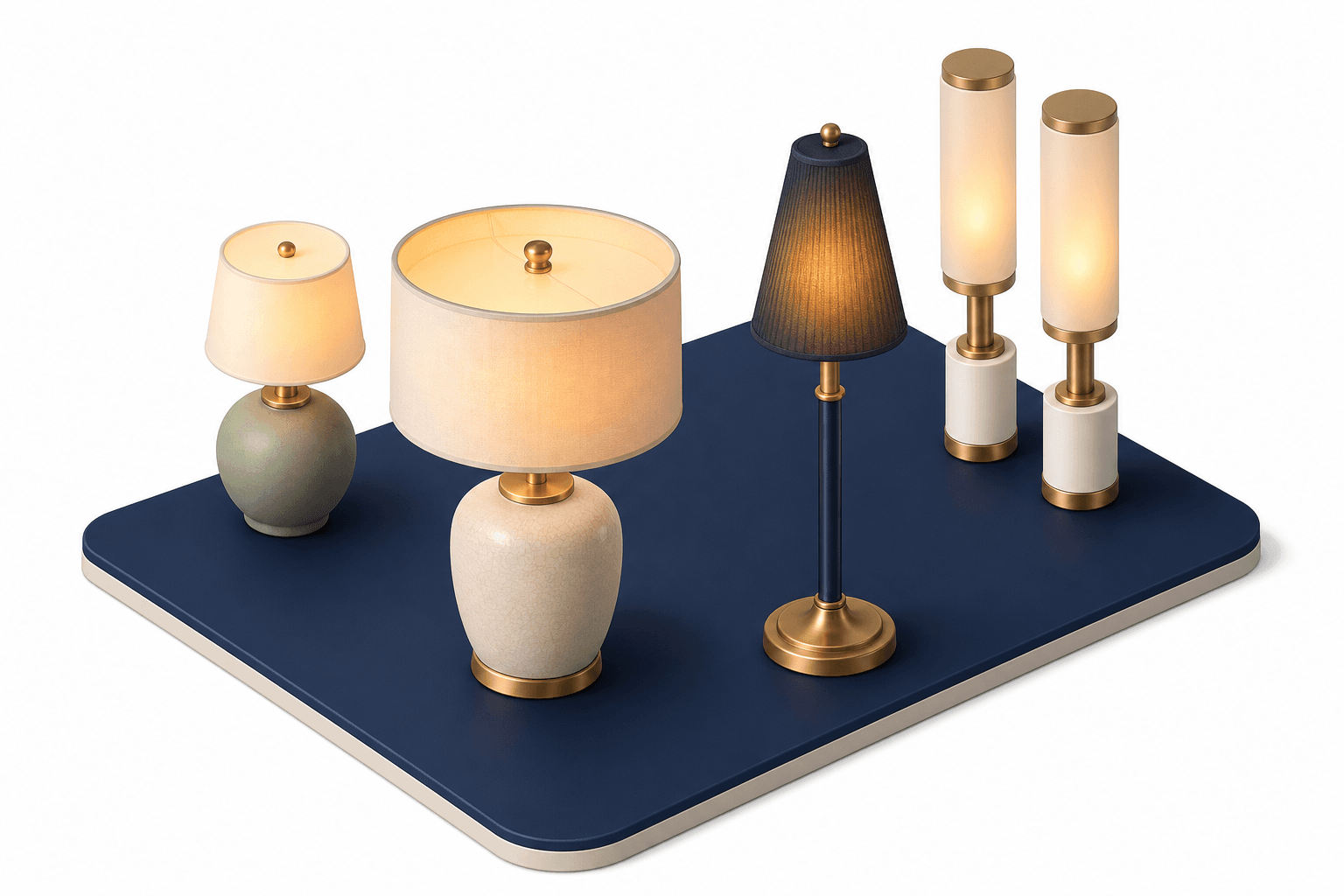
Key Takeaways
Generally, buffet lamps and table lamps are similar but are different sizes, a buffet lamp will be taller but often slimmer, too, while a table lamp may be shorter but thicker in design. Buffet lamps are used more for ambient or accent lighting, while table lamps are used primarily for task lighting.
When choosing a lamp for your home, you may find a mix of buffet and table lamps being offered.
If you've never come across the terms, you are probably confused.
In this guide, I'll explain:
- The main differences between a buffet lamp and a table lamp
- The average sizes of the lamps, compared
- The best place to put the respective lamps
Key Differences: Buffet Lamp vs. Table Lamp
At first glance, buffet and table lamps almost seem interchangeable. Don't be surprised if some retailers lump them together and treat them as one category.
They are different, though, and have different uses. Buffet lamps (sometimes called console lamps or candlestick lamps) are designed for ambient and accent lighting – they help to create a gentle ambiance in a wider space.
Table lamps can be used for ambient lighting too, but they are generally used more for task lighting – providing a stronger light in a closer space so that you can see what you're doing next to them.
Because table lamps are usually thicker, they tend to dominate the small space where they sit, often serving as one of just one or two accessories on the surface. Slimmer buffet lamps, by contrast, work in busier spaces.
Buffet lamps are named for being used on a buffet – the furniture item similar to a sideboard, where food and serving plates may be set out for guests. Because buffets and sideboards tend to sit lower than many side tables, buffet lamps are made taller to compensate, which also helps them illuminate a wider area.
Mechanically, the two are similar – the bulb fixtures and direction of light are broadly the same. They generally use the same standard shade fitting types (spider, uno, or clip-on), though the shades themselves aren't always interchangeable. Buffet lamps typically take taller, narrower shades to suit their slimmer profile, while table lamps usually take wider, shorter shades.
It's the distance between the bulb and the surface below it that really shapes their use. You'd typically use similar wattages in each — most decorative table and buffet lamps use E26 base bulbs in the 40–60W equivalent range (around 5–9W in LED). Avoid using a brighter bulb in a buffet lamp just because it sits higher — doing so defeats the gentle, ambient effect these lamps are designed to create.
Average Sizes Compared
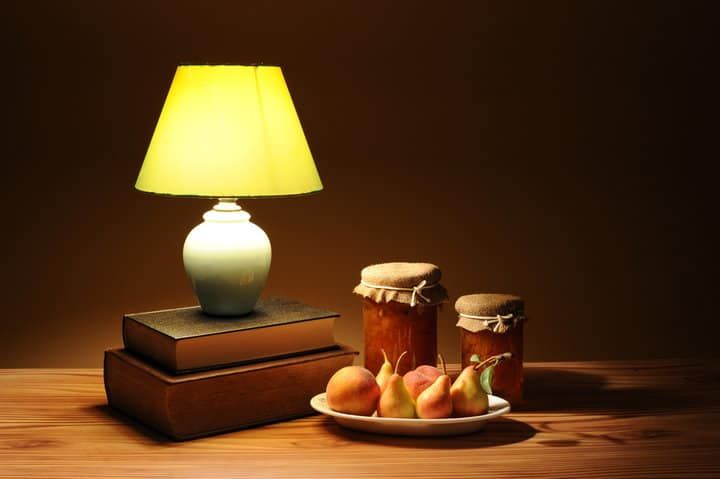
Lamp shapes and sizes vary, but as a rule of thumb, expect the average table lamp to be 25 to 32 inches tall, and the average buffet lamp to be 32 to 36 inches. So a buffet lamp can be anywhere from a couple of inches taller than a table lamp to roughly a foot taller, depending on the pair you compare.
Here's how the two compare at a glance:
| Table Lamp | Buffet Lamp | |
|---|---|---|
| Typical height | 25–32 inches | 32–36 inches |
| Primary use | Task lighting | Ambient / accent lighting |
| Typical placement | Nightstand, side table | Sideboard, buffet, console |
| Surface height to hit 58–64" rule | ~28–34 inches | ~22–28 inches |
The 58–64 Inch Rule
As a guide, when a lamp sits on a surface, the combined height of the lamp plus the surface should fall within the 58–64 inch range. Floor lamps stand on their own, so the same target applies to their total height — most floor lamps are designed in the 58–64 inch range so the shade sits around seated eye level.
Keeping all lampshades within the same visual band creates a cohesive, intentional look — your eye travels smoothly around the room rather than jumping between different heights.
A Note On Shade Sizing
If you already own a shade and want to know whether it'll fit a different lamp type, check the harp size first. Harps are sold in half-inch increments from roughly 4 to 15 inches, and a buffet lamp's harp may not accept a shade designed for a table lamp (or vice versa). As a general guide, buffet shades sit under about 12 inches at the base and run taller, while table lamp shades are wider at the base and shorter overall.
Best Placement For Each Lamp Type
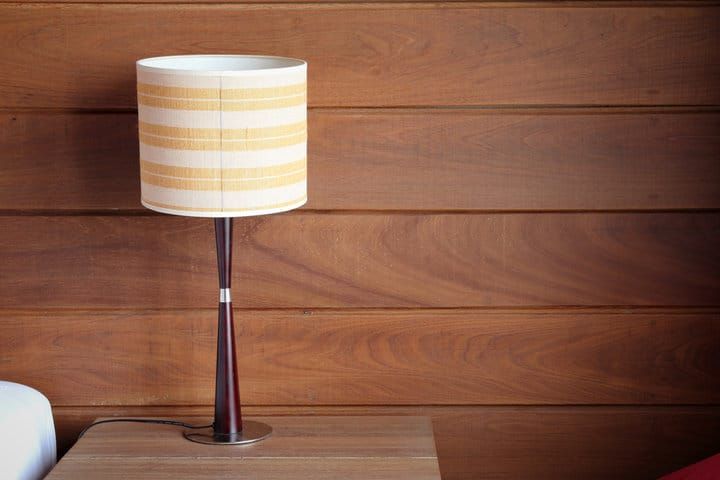
The best place to put each lamp follows directly from its purpose.
Buffet lamps work best on lower furniture — sideboards, buffets, and console tables — where you want a gentle, ambient light that sets a mood rather than illuminates a task. They're a natural fit for dining rooms and entryways.
Table lamps suit side tables and chests of drawers, and are best placed close to where you'll be sitting or lying — next to a sofa or alongside a bed. That way, you can use the table lamp as your lighting for reading a book or doing a craft. That makes them more common in bedrooms and living areas.
If you want broader ambient lighting in those rooms, a floor lamp is often the better choice, though a table lamp can stand in. Whichever you choose, keep the lampshade within the 58–64 inch band so the room reads as cohesive.
Quick Summary
- Table lamps are shorter and stockier (25–32 inches) and built for task lighting at close range.
- Buffet lamps are taller and slimmer (32–36 inches) and built for ambient or accent lighting on lower furniture.
- Both commonly use spider, uno, or clip-on shade fittings, but the shades themselves usually aren't interchangeable.
- Aim for a total lampshade height of 58–64 inches off the floor, whether the lamp is sitting on a surface or standing on its own.
Measure your surface height before shopping — it's the single most useful step to picking the right lamp type for the spot you have in mind.