Wattage
A measure of electrical power consumption. For LEDs, lower wattage delivers the same brightness as higher-wattage incandescent bulbs.
Wattage tells you how much electricity a light bulb draws from the wall — nothing more. In the incandescent era this was a reliable proxy for brightness because all incandescent bulbs had roughly the same efficiency. A 100W bulb was always brighter than a 60W bulb.
With LEDs, that relationship is broken. A 9W LED can outshine a 60W incandescent. A cheap 12W LED might produce less light than a quality 9W one. The wattage you should actually care about is the one on your electricity bill — and that's where LEDs shine. Replacing every bulb in a typical home with LEDs can cut lighting electricity costs by 75-80%.
When comparing LED bulbs, look at lumens for brightness and wattage for running cost. Divide lumens by watts to get efficacy (lm/W) — the true measure of how efficiently a bulb converts electricity into light.
Specifications
| 9W LED | Replaces 60W incandescent |
| 12W LED | Replaces 75W incandescent |
| 15W LED | Replaces 100W incandescent |
Related Terms
- Lumens
The unit measuring total visible light output. Unlike watts, lumens tell you how bright a bulb actually is.
- Efficacy
The efficiency of a light source measured in lumens per watt (lm/W). Higher efficacy means more light for less electricity.
- LED Driver
A power supply that regulates current to LEDs, preventing flickering and enabling dimming. Every LED has one — either built into the bulb or as an external unit.
Mentioned in
What Is The LED Watts Equivalent?
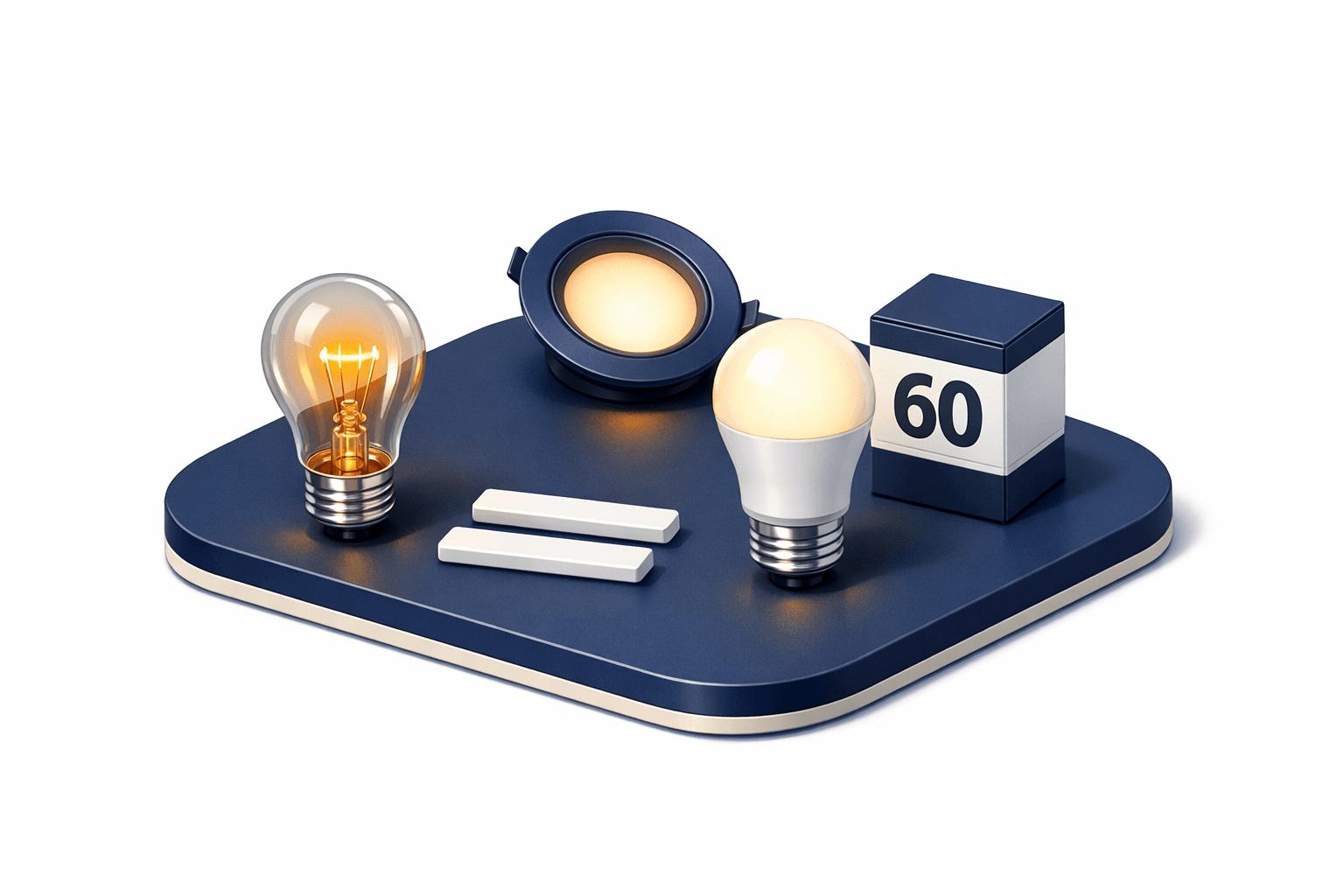
Wattage never measured brightness — it measured waste. The shortcut held only because incandescents are uniformly inefficient, which is why your 9W LED now needs a "60W equivalent" label to make sense.
Should I Switch From CFL To LED Light?
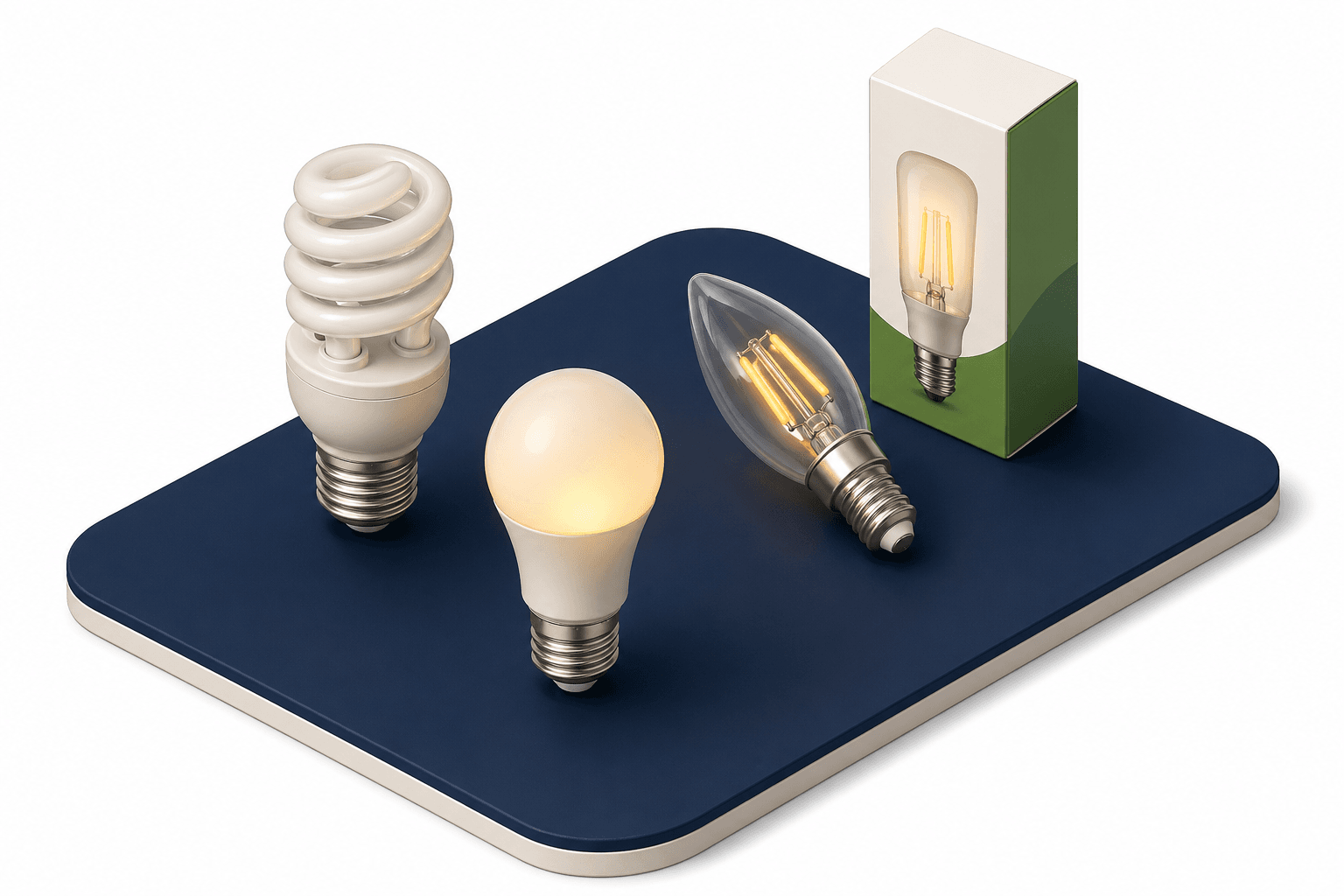
A 13W CFL and a 9W LED both replace a 60W incandescent, but that 4-watt gap saves less than $1.20 a year — which is why patience beats a wholesale swap.
How Many Recessed Lights Do I Need?
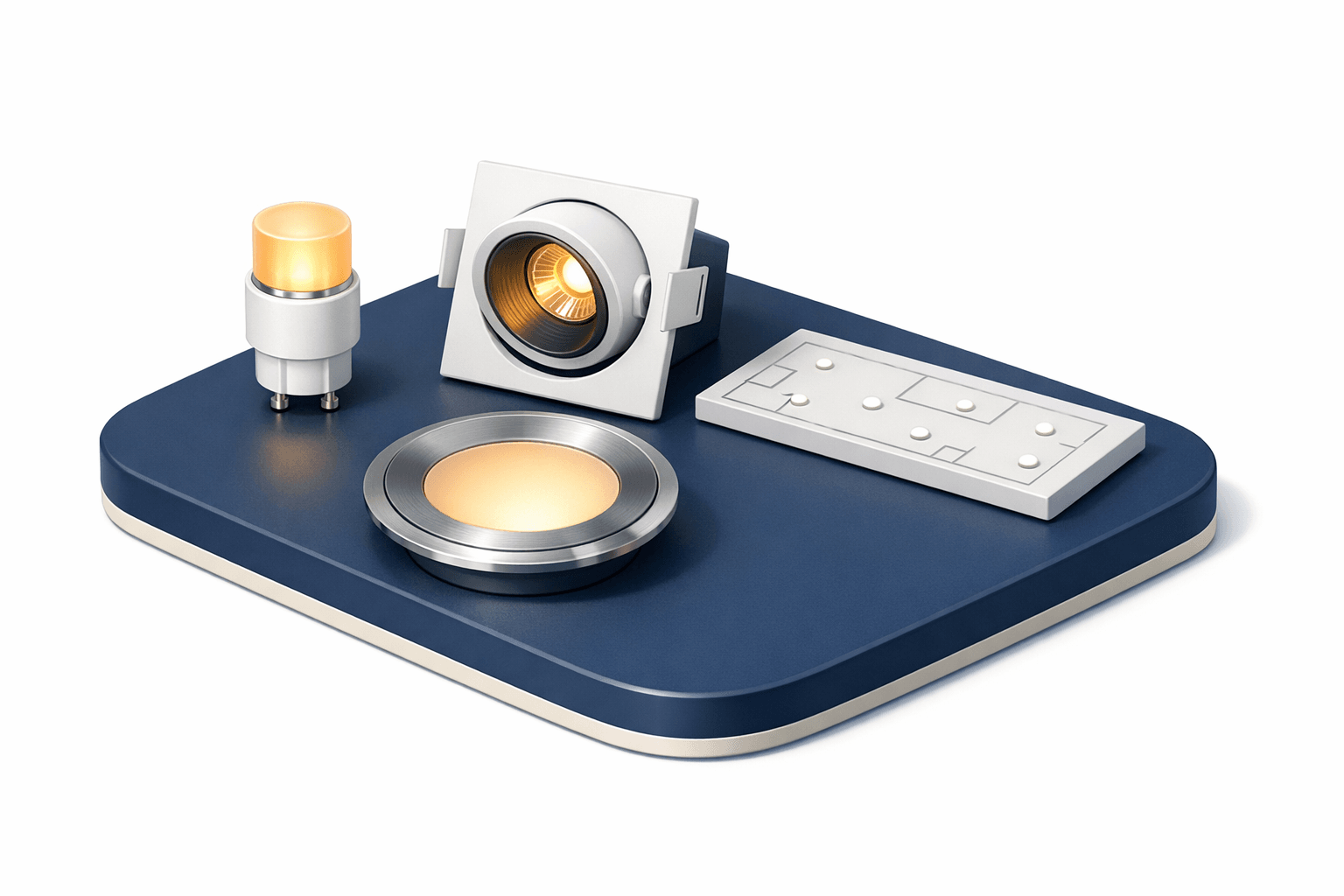
Divide your square footage by actual LED wattage and you'd need 45 fixtures for a standard living room — the rule of thumb only works when you use equivalent wattage.
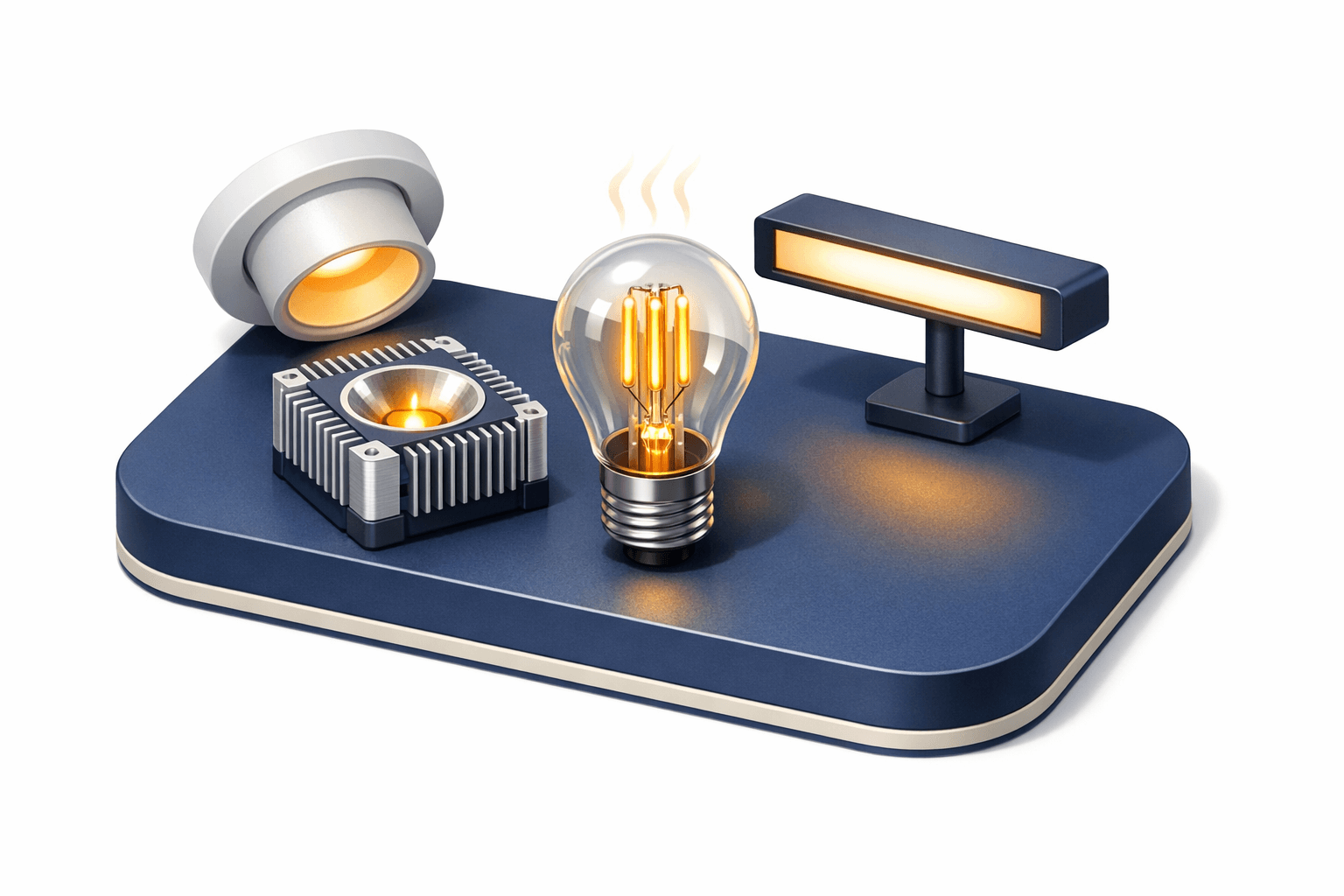
Do LED Lights Produce Heat?
A 60W-equivalent LED draws only 9–10 watts and dissipates about 5–6 watts as heat — compared to 57 watts from the incandescent it replaces. Same brightness, a fraction of the warmth.
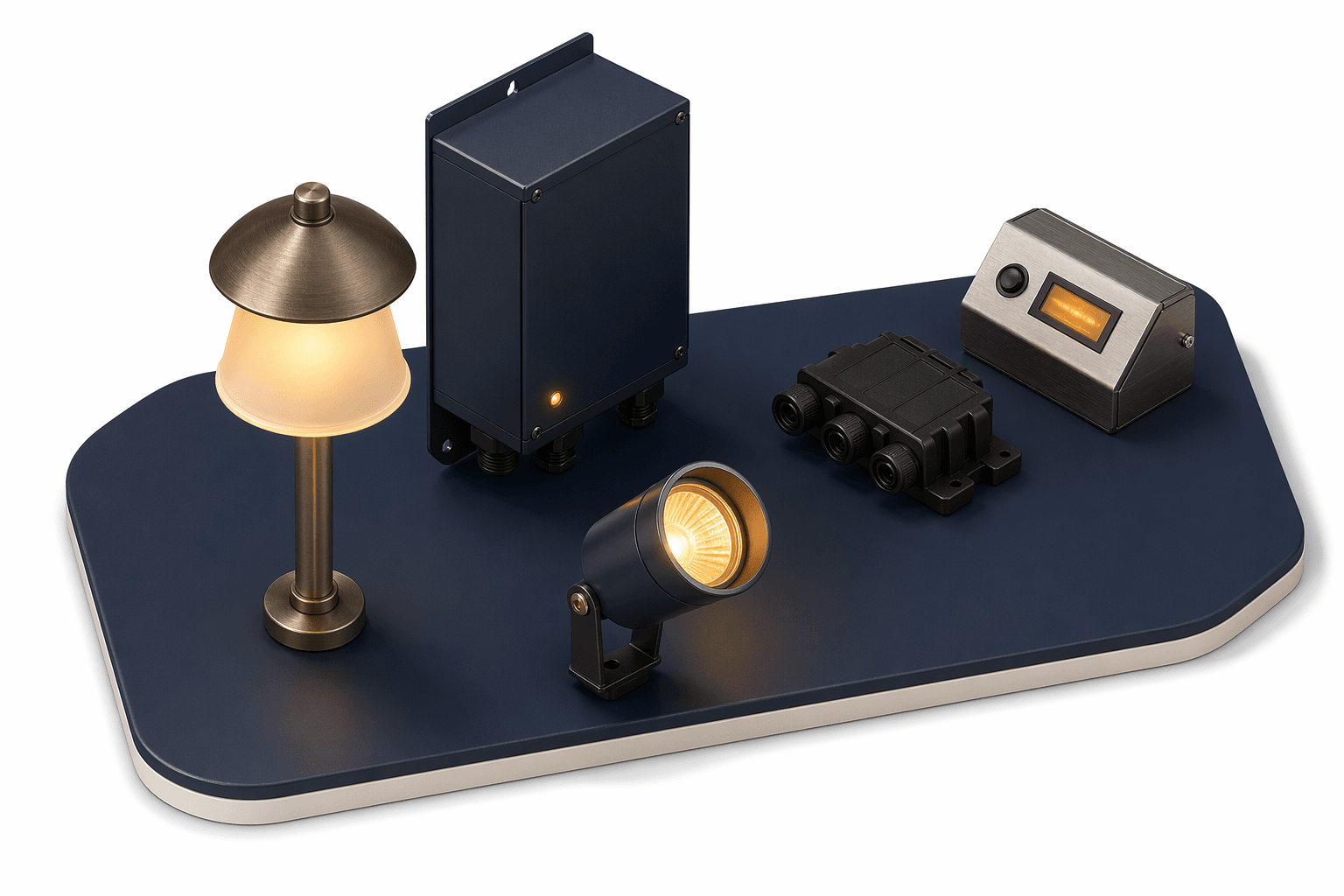
What Size Landscape Lighting Transformer Do I Need?
Multiply your total fixture wattage by 1.25 — that single calculation is all it takes to land on the right transformer size, with headroom built in for future additions.
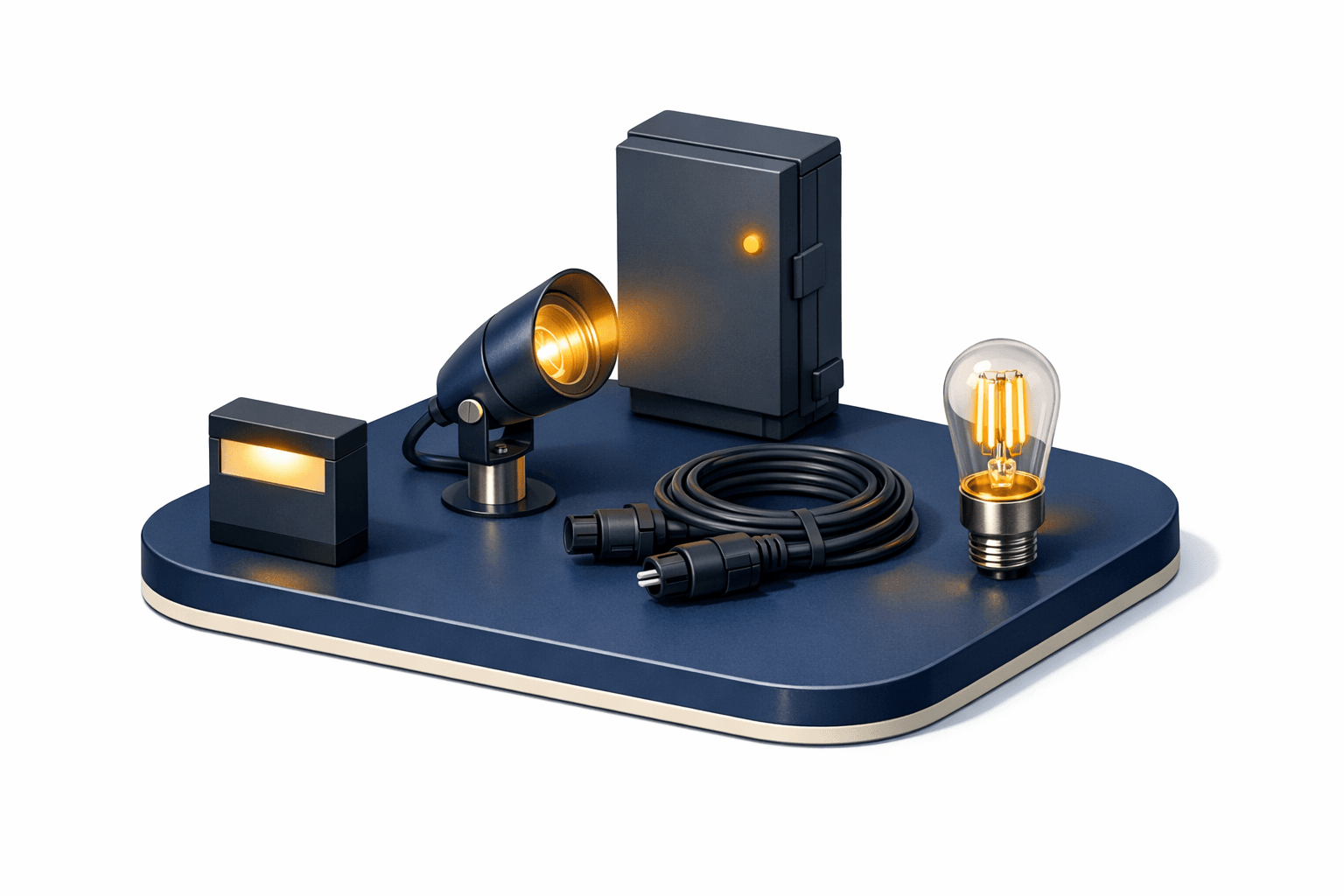
What Causes Landscape Lights To Flicker?
Older magnetic transformers need a minimum wattage load to regulate properly — swap in all-LED fixtures and your system can flicker simply by drawing too little power. It's one of several causes that only appear once halogens are out of the picture.