
Lumens
The unit measuring total visible light output. Unlike watts, lumens tell you how bright a bulb actually is.
For decades, people bought light bulbs by wattage — a 60W bulb for the bedroom, a 100W for the garage. But wattage only measures how much electricity a bulb uses, not how much light it produces. A 60W incandescent and a 9W LED can produce the same 800 lumens of light — one just wastes far more energy doing it.
Lumens are the only number that matters when comparing brightness across bulb types. A 450 lumen bulb is roughly equivalent to a 40W incandescent, 800 lumens matches a 60W, and 1600 lumens replaces a 100W. These equivalencies aren't exact — beam angle and CRI affect perceived brightness — but lumens give you the objective measurement.
When shopping for LEDs, always check lumens first and wattage second. Two 9W LED bulbs from different brands can produce wildly different lumen outputs depending on chip quality and driver efficiency.
Specifications
| 450 lm | Equivalent to 40W incandescent |
| 800 lm | Equivalent to 60W incandescent |
| 1100 lm | Equivalent to 75W incandescent |
| 1600 lm | Equivalent to 100W incandescent |
Related Terms
- Wattage
A measure of electrical power consumption. For LEDs, lower wattage delivers the same brightness as higher-wattage incandescent bulbs.
- Efficacy
The efficiency of a light source measured in lumens per watt (lm/W). Higher efficacy means more light for less electricity.
- Lux
A measure of illuminance — how many lumens hit one square meter of surface. Used to specify lighting levels for rooms and workspaces.
- Foot Candle
A measure of illuminance in imperial units — one lumen per square foot. Commonly used in US building codes and lighting design.
Mentioned in
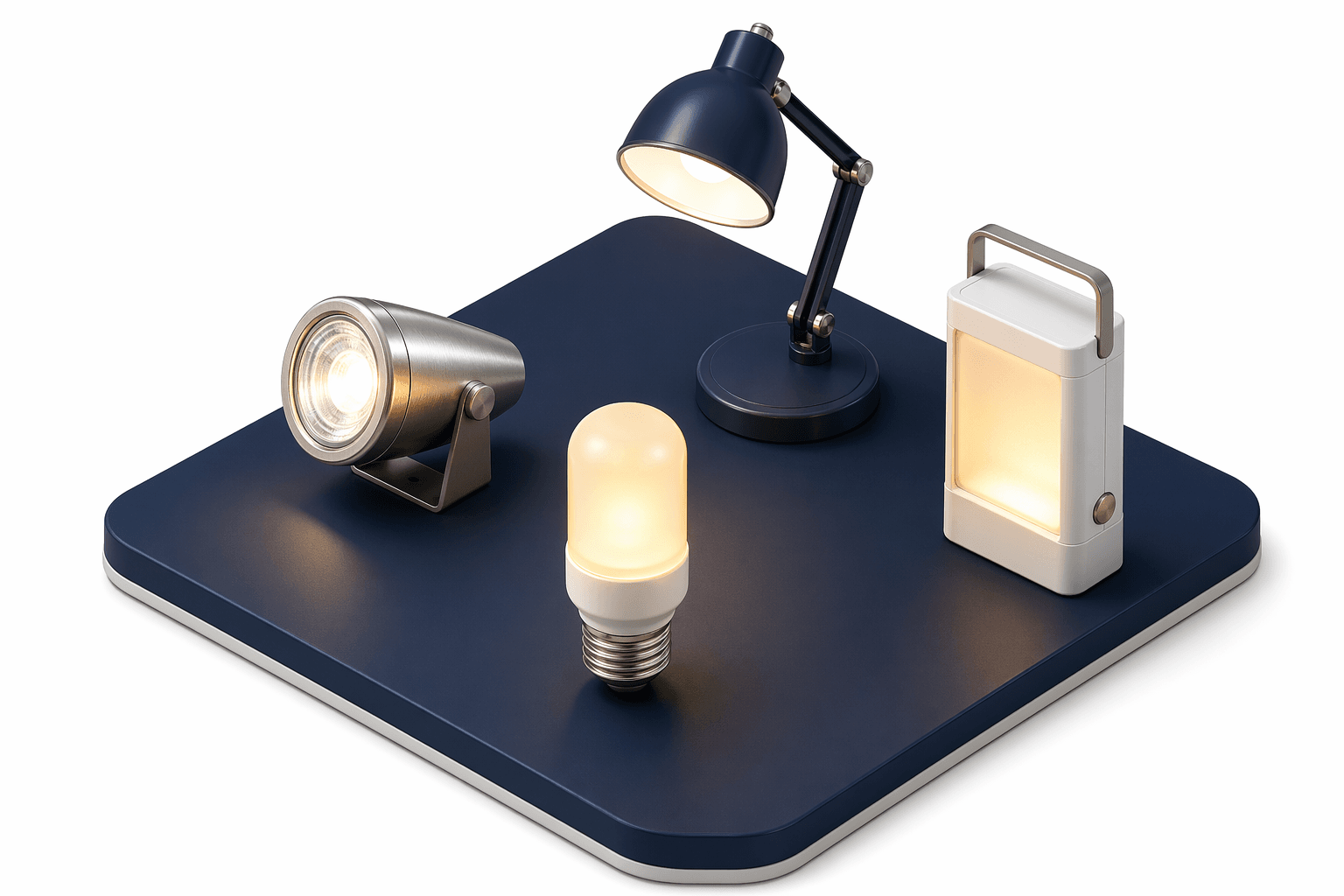
How Bright Is 300 Lumens?
A standard 4×4m living room needs roughly 11 of them — which is why 300-lumen bulbs belong in candelabras and reading lamps, not doing solo duty overhead.
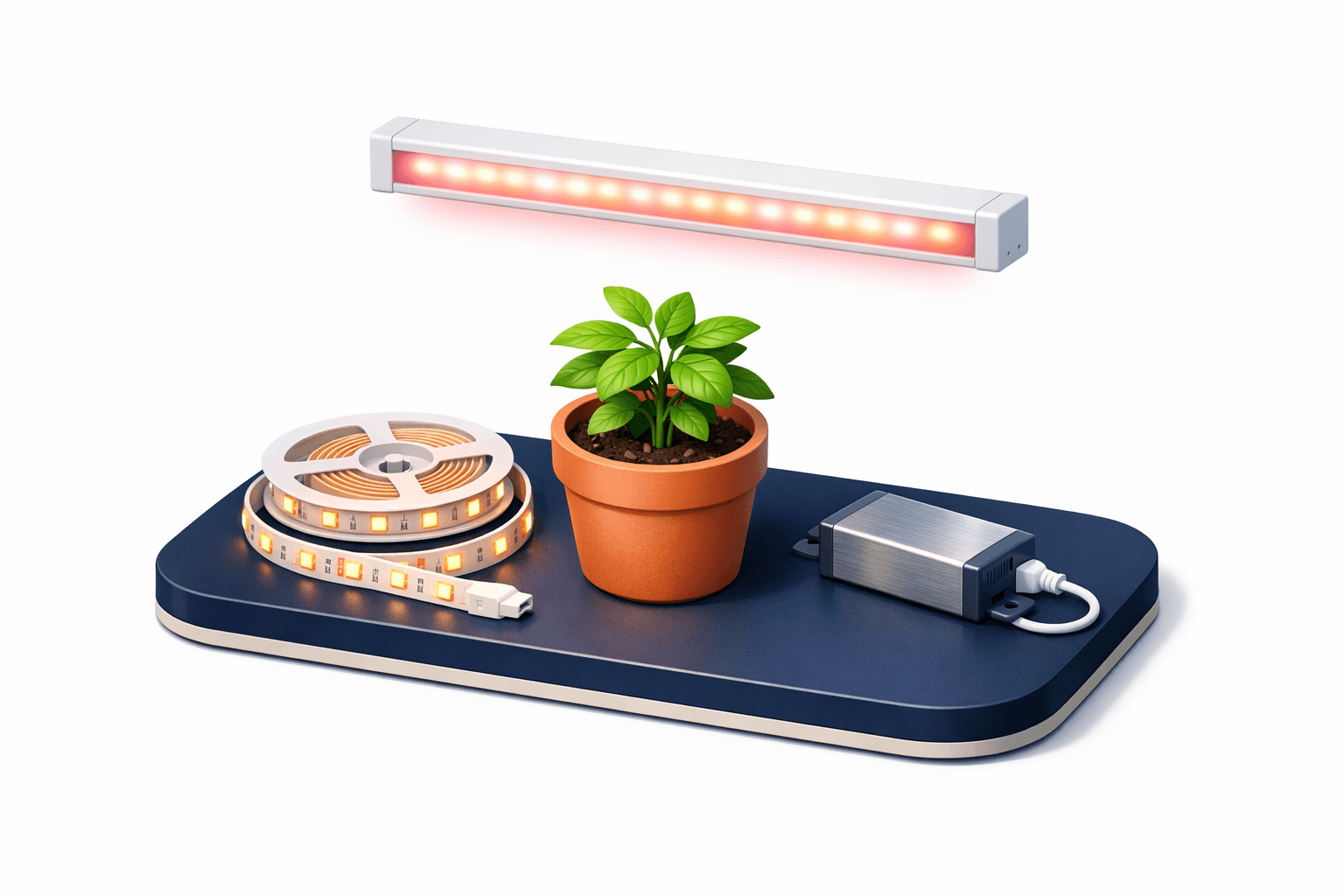
Can You Use LED Strips To Grow Plants?
Lumens measure brightness for human eyes, not plant growth — the spec-sheet number you're probably checking is the wrong one. PPFD, which counts photons in the 400–700 nm PAR range, is what plants actually respond to.
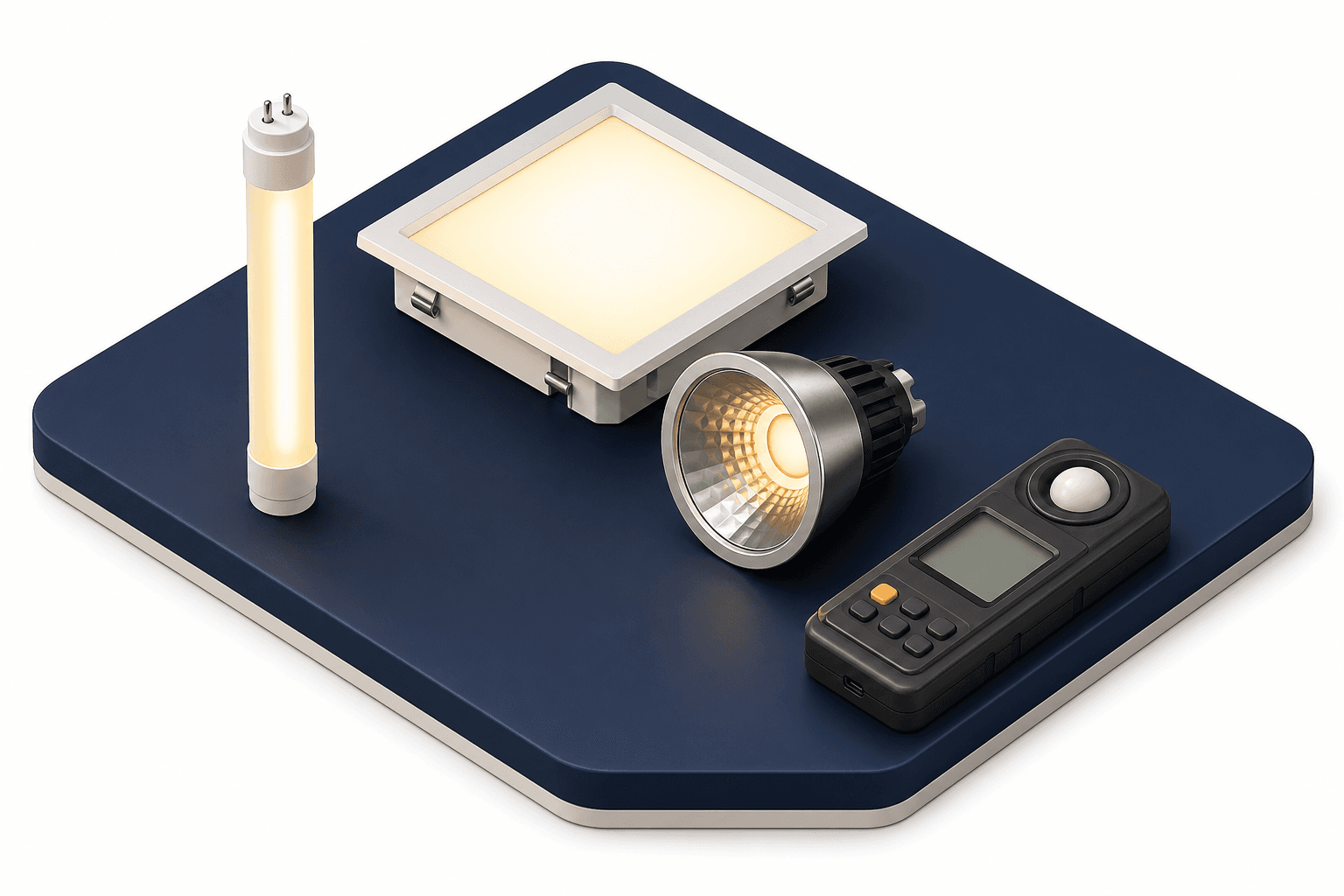
What Is Light Output Ratio?
A 1,500-lumen bulb sitting in a fixture with 60% LOR delivers closer to 900 lumens into the room — not a wiring fault, just light the housing never lets out.
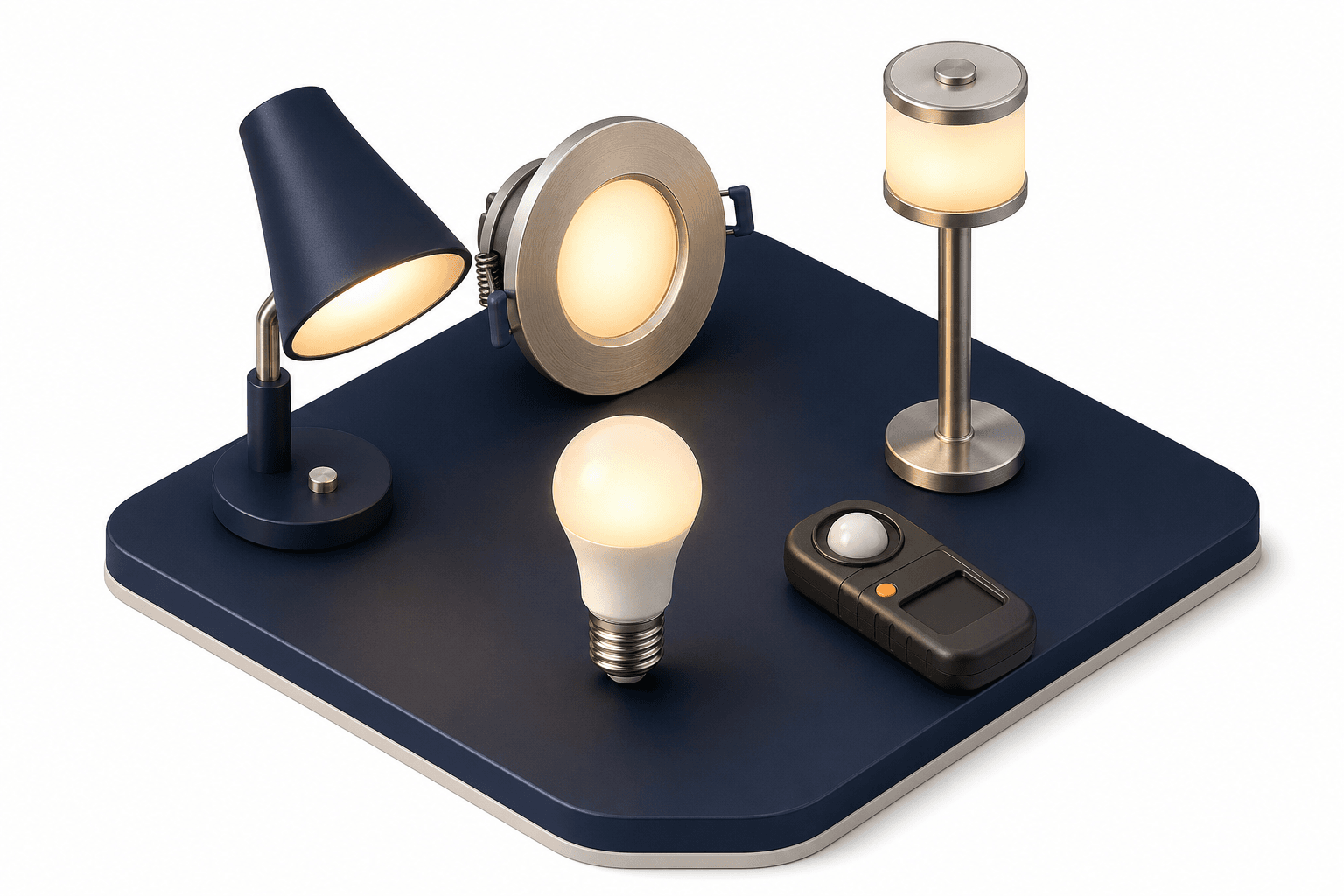
How Many Lumens Do I Need?
A 12-square-meter bedroom needs just 1,200–1,800 lumens total — far less than most people instinctively reach for, and bright enough to wind down without fighting your own sleep.
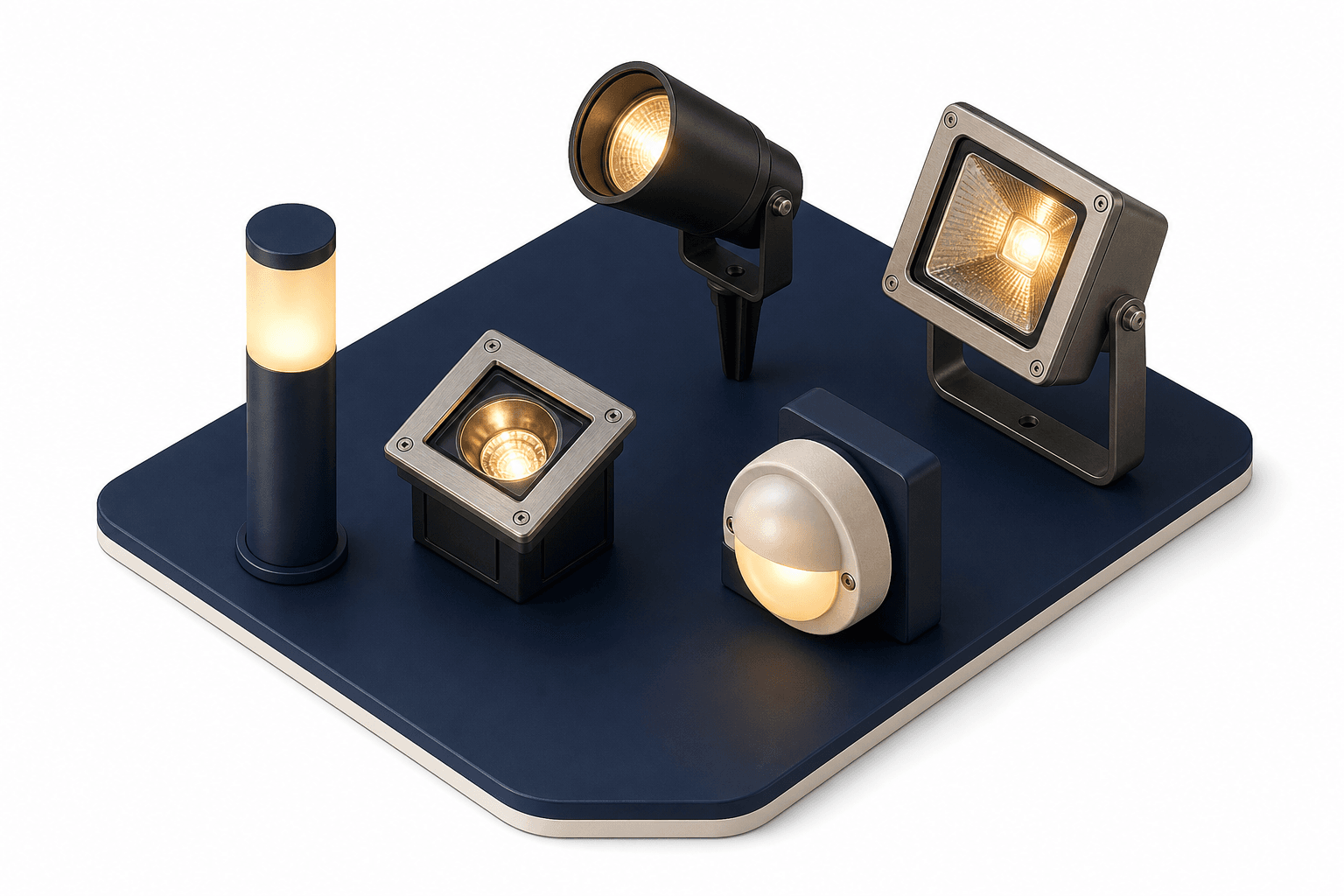
How Many Lumens Should Landscape Lighting Be?
Brighter step lights actually make stairs harder to read at night — deeper shadows obscure the tread edge. For riser lights, 30–50 lumens does the job safely.
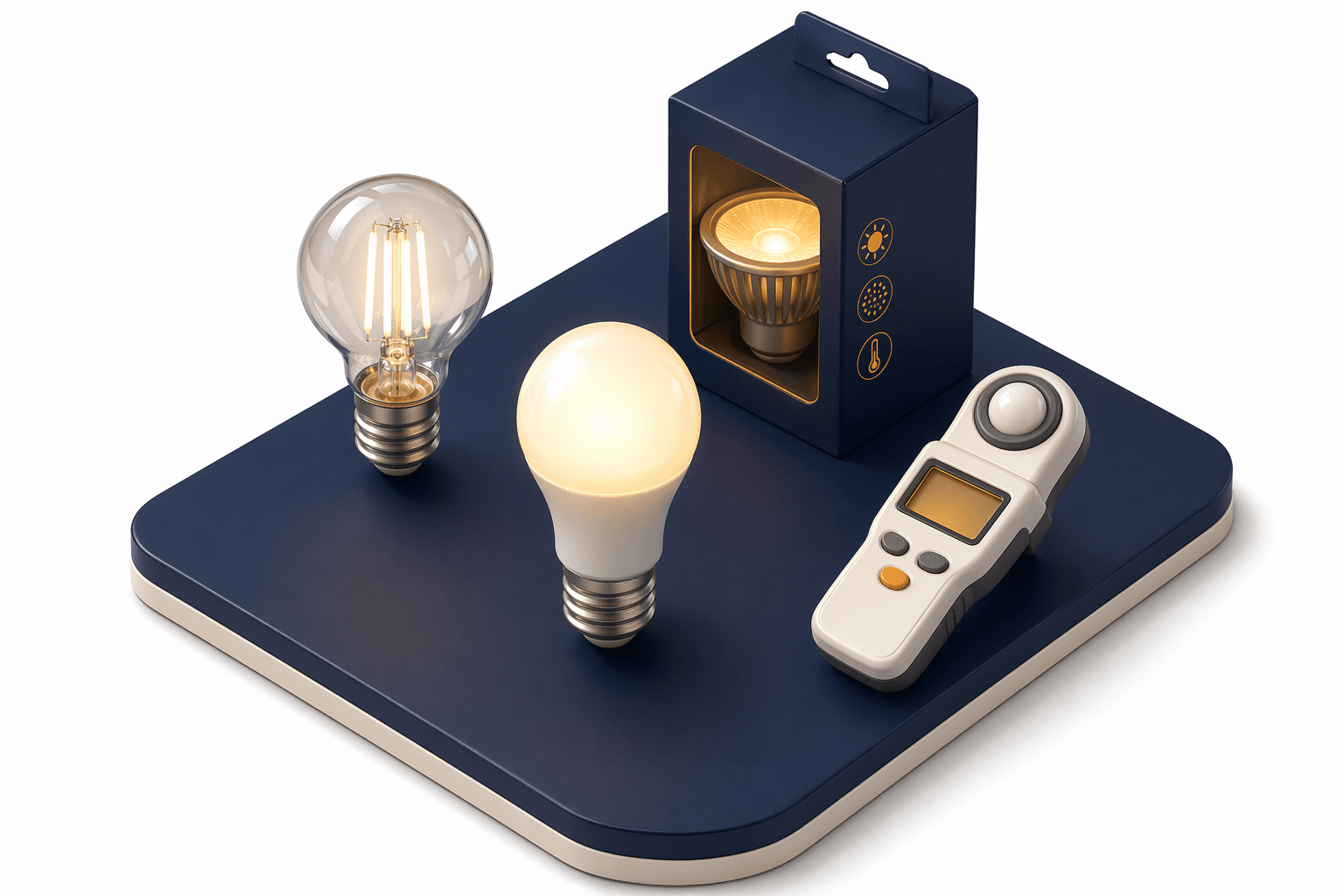
What Is The Difference Between Kelvin And Lumens?
Higher Kelvin numbers mean cooler, bluer light — the opposite of what 'temperature' implies. That single reversal is what makes the rest of the LED spec sheet suddenly make sense.