
TRIAC Dimmer
The most common phase-cut dimmer circuit, found in most residential dimmers. Works by chopping the AC waveform. Some TRIAC dimmers work with LEDs, many don't.
TRIAC (triode for alternating current) is a semiconductor component used in the vast majority of residential dimmers installed in the last 40 years. When someone says "dimmer switch" without qualification, they almost always mean a TRIAC-based phase-cut dimmer.
A TRIAC can operate as either leading edge or trailing edge depending on the circuit design — though most residential TRIAC dimmers are leading edge. The TRIAC itself simply switches on partway through each AC cycle, allowing current to flow for the remainder. How much of the cycle it lets through determines brightness.
LED compatibility with TRIAC dimmers varies widely. Some LED bulbs include circuitry specifically designed to work with common TRIAC dimmers. Others require a minimum number of bulbs on the circuit to meet the dimmer's minimum load. The most reliable approach is to check the dimmer manufacturer's LED compatibility list — companies like Lutron, Leviton, and Legrand publish specific bulb/dimmer combinations they've tested.
Specifications
| Type | Phase-cut (leading or trailing edge) |
| Prevalence | Most installed residential dimmers |
| LED tip | Check manufacturer compatibility lists |
Related Terms
- Trailing Edge Dimmer
A dimmer type that cuts the trailing end of each AC wave cycle. Smooth, quiet, and compatible with most LED bulbs — the recommended type for LED dimming.
- Leading Edge Dimmer
A dimmer type that cuts the leading (front) edge of each AC wave. Originally designed for incandescent and halogen — can cause buzzing and flicker with LEDs.
- Flicker
Rapid, repeated changes in light output. Can be visible (strobe effect) or invisible but still cause headaches. Usually caused by incompatible dimmers or poor LED drivers.
Mentioned in
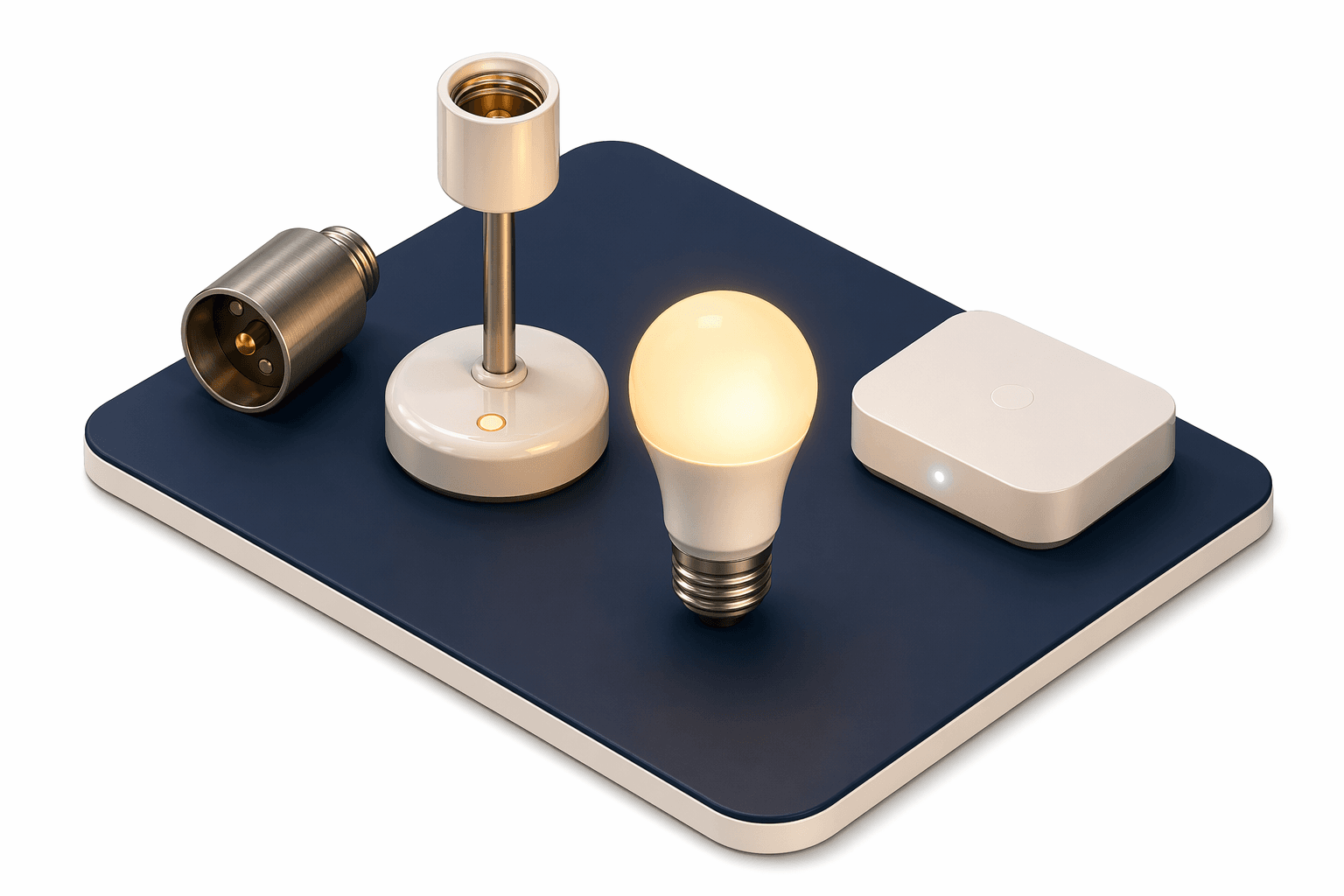
Do Smart Bulbs Work With Touch Lamps?
A touch lamp is essentially a TRIAC dimmer with a metal body — and most smart bulb manufacturers explicitly warn against pairing their bulbs with exactly that.
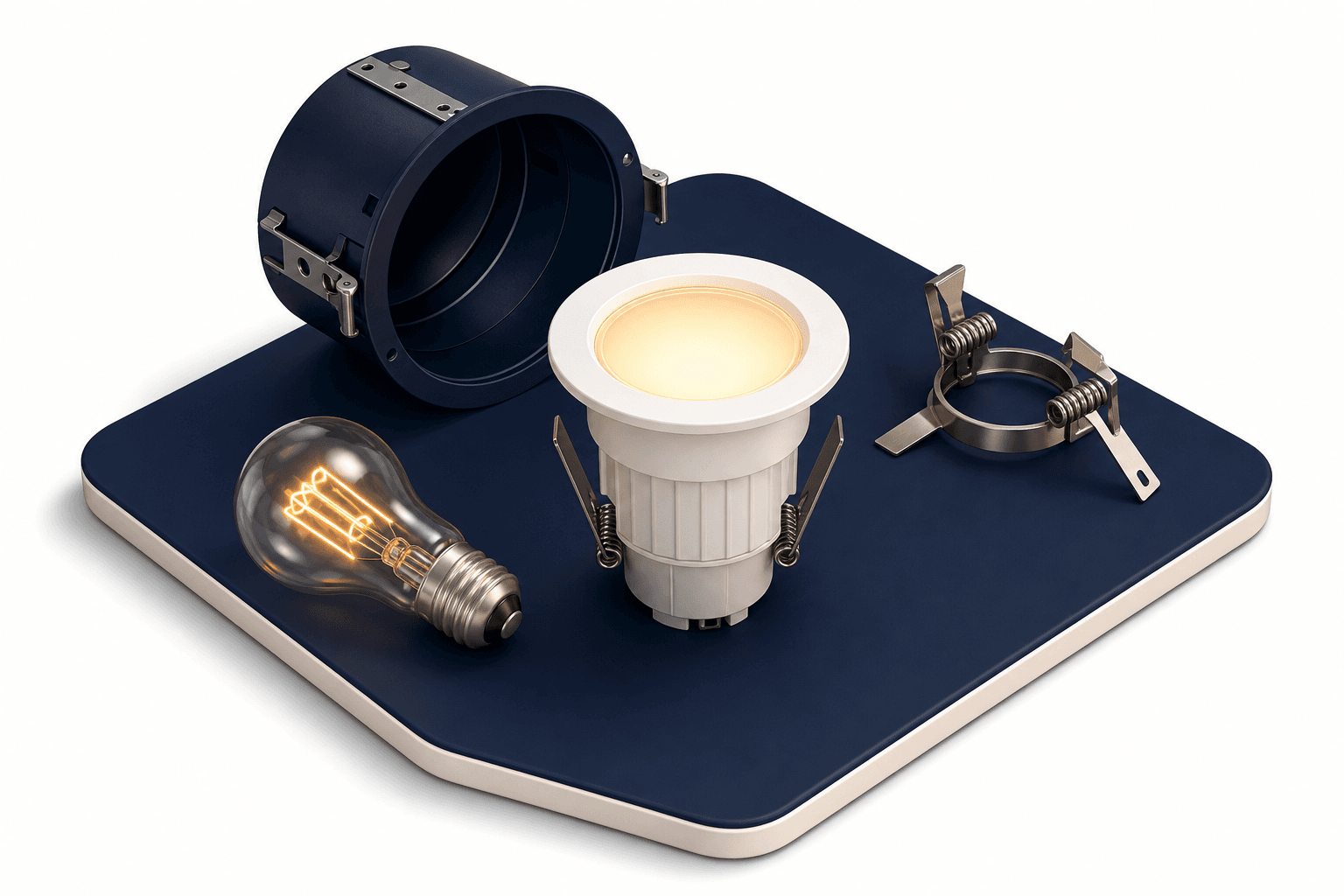
How To Convert Incandescent Recessed Light?
Swapping an LED bulb into an incandescent recessed can takes minutes — but if that can is on an older TRIAC dimmer, you may end up with flicker, buzz, or a burned-out bulb before the week is out.
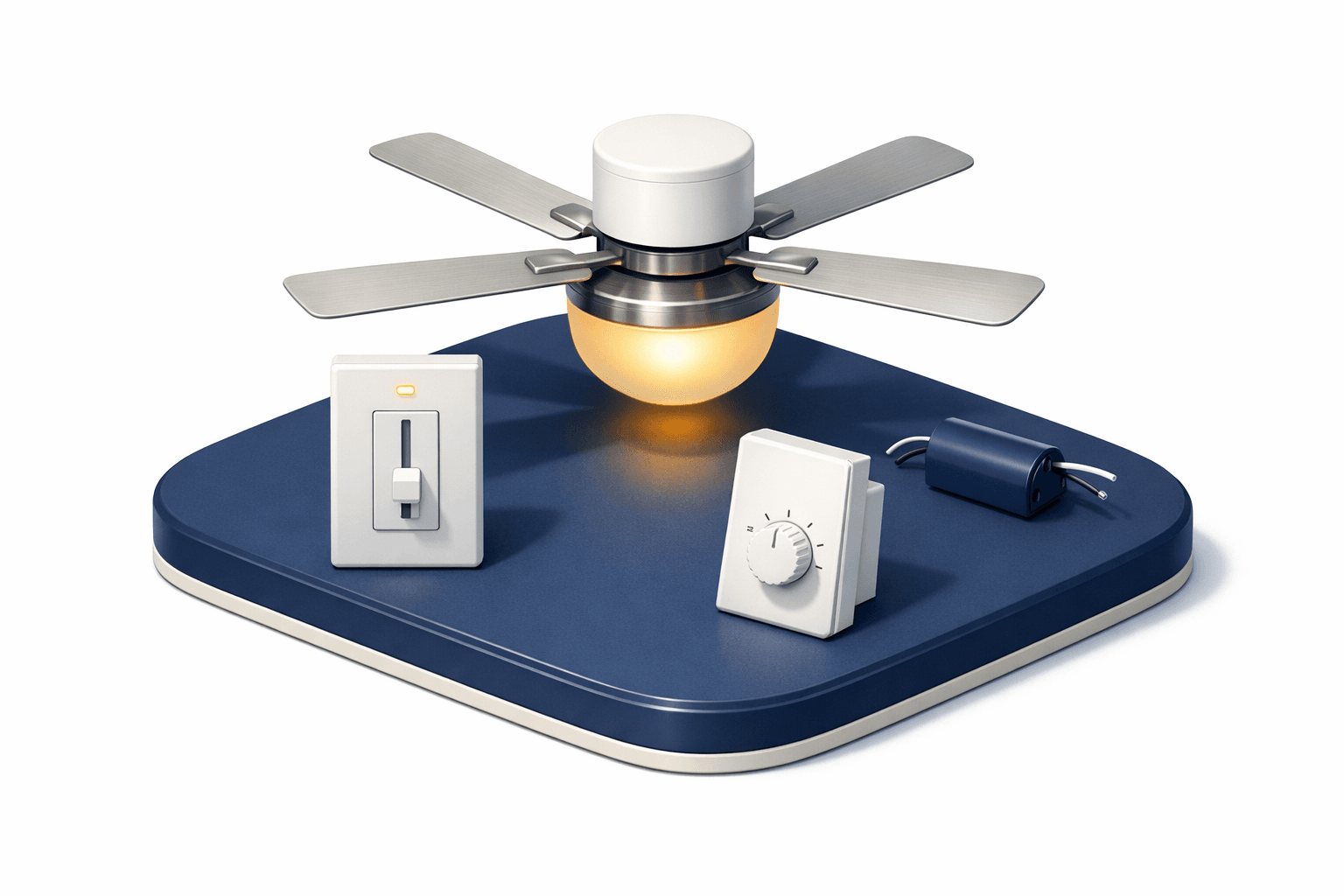
Can Dimmer Switch Be Used On A Ceiling Fan?
A phase-cut dimmer quietly cooking a ceiling fan motor is a documented fire hazard — and the wiring failure that causes it has nothing to do with too much voltage.
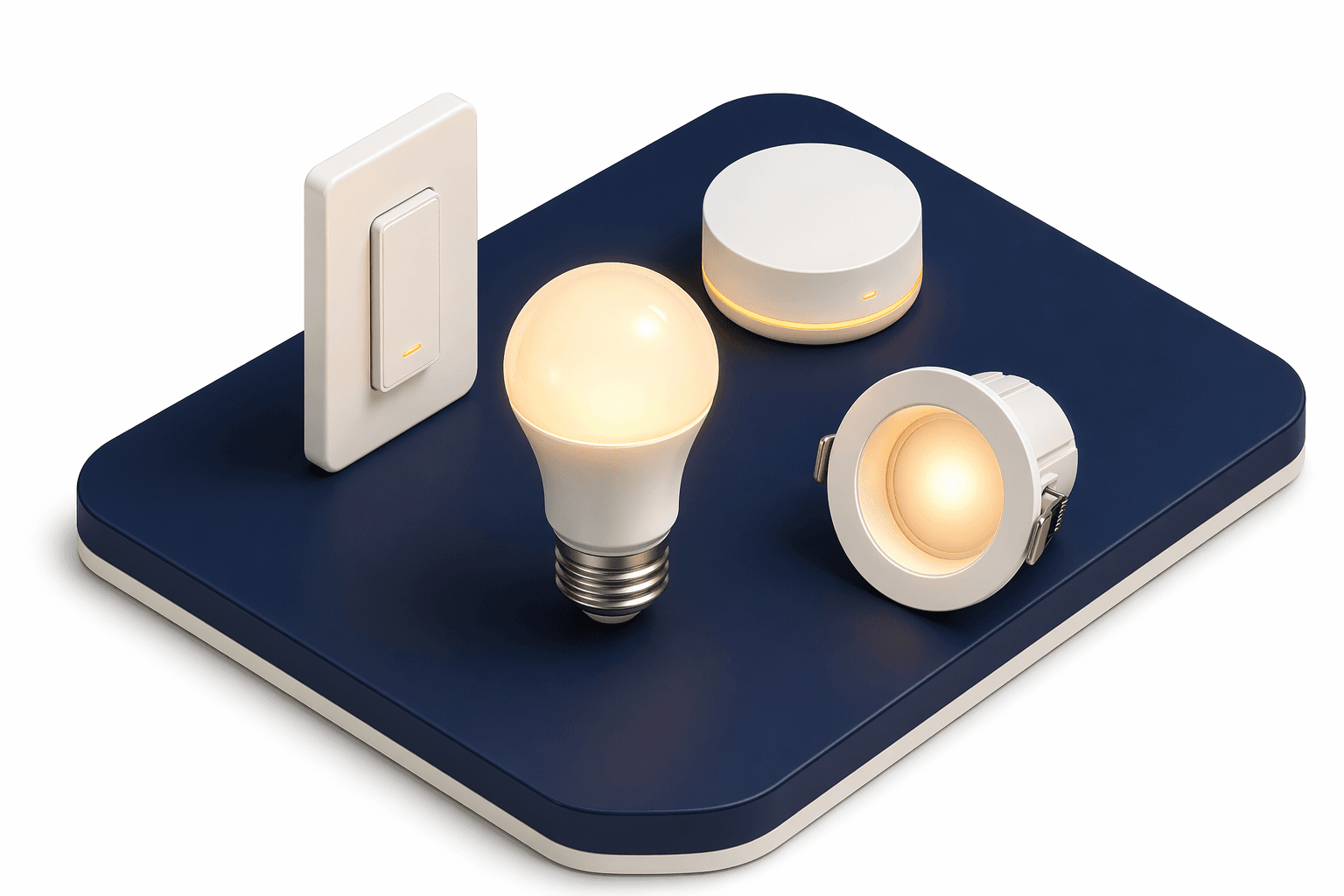
Do Smart Lights Work With Dimmer Switch?
Your smart bulb has its own dimming circuit — plug it into a standard TRIAC wall dimmer and you're running two competing systems at once, which is why you get flicker and buzz.

Why Are LED Dimmer Switches So Expensive?
A basic toggle switch is a single mechanical contact — pennies in parts. An LED dimmer packs a TRIAC, a DIAC, timing capacitors, and an LC filter behind that same wall plate.