
Can You Use A Dry Rated LED Light In A Bathroom?
Under NEC 410.10(D), any fixture within 8 ft of a tub or shower rim needs at minimum a damp-location rating — and that rule catches a lot of bathrooms by surprise.
 Eugen
EugenEugen Nikolajev
Creator of LED Lighting Info
Hi, I am Eugen. I was always one of those kids who had all sorts of weird lighting gadgets for every occasion.
Now, I want to share my knowledge and experience about lighting with you on LED Lighting Info.
Read my editorial standards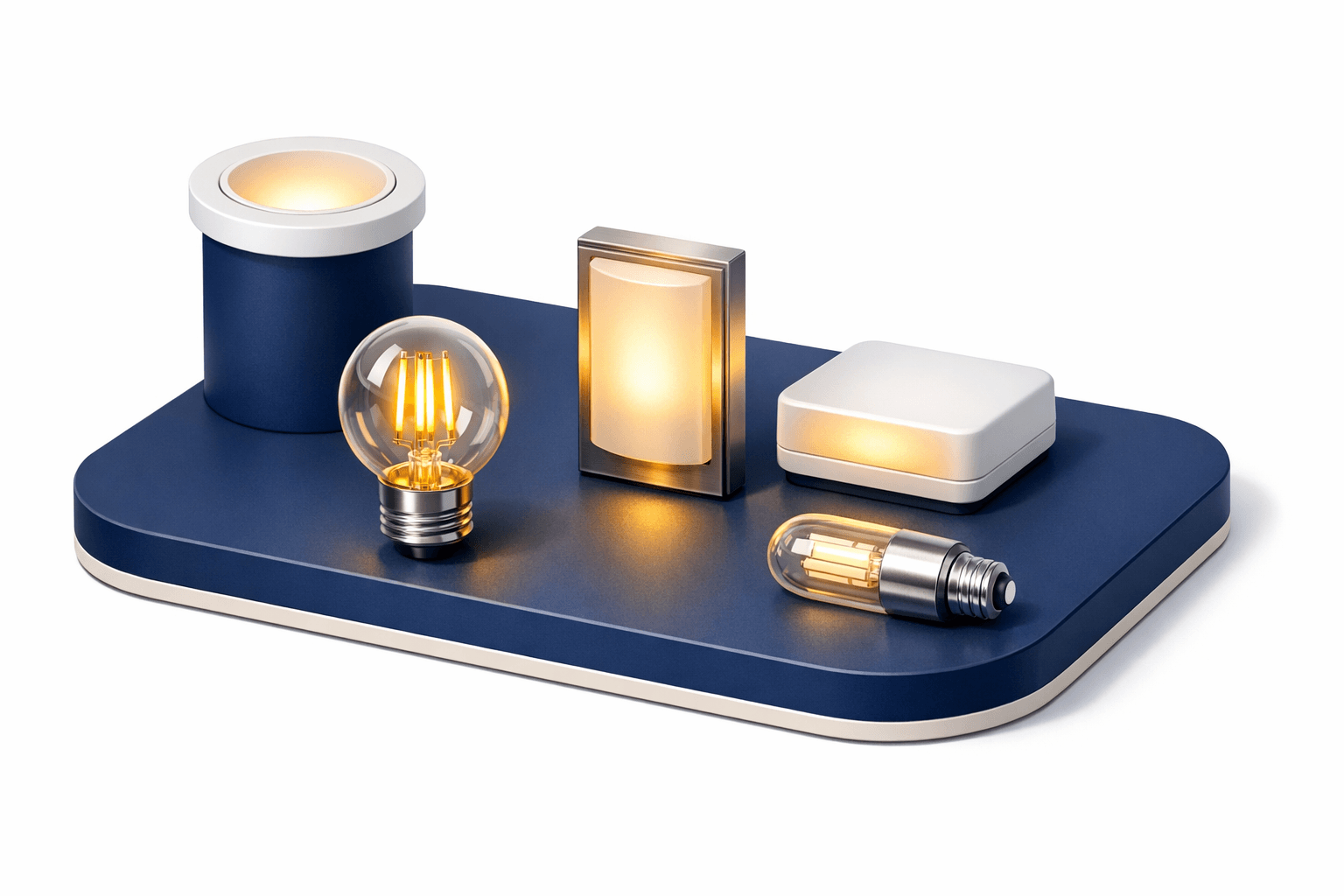
Key Takeaways
Most of a bathroom is treated as a dry location under the U.S. NEC, but fixtures installed inside or directly above a tub or shower must be marked for damp or wet locations. For U.S. installations, look for an IP44 or higher rating and a UL or ETL listing; for fixtures subject to shower spray, IP65 or higher is recommended. Bathroom lighting circuits also typically require GFCI protection.
Using the wrong LED rating in a bathroom isn't just a bulb problem — it's a safety issue. The fixture above your vanity, the recessed can over the shower, and the strip light tucked under the tub each face very different moisture conditions, and each has a minimum rating it needs to meet.
I'll walk through what dry, damp, and wet ratings actually mean, where each is allowed in a bathroom, and what the U.S. National Electrical Code (NEC) and UK BS 7671 wiring regulations require.
In this article I'll cover:
- What dry, damp, and wet LED ratings mean
- Bathroom zones under U.S. and UK electrical codes
- Why certification marks (UL, ETL) matter as much as IP ratings
- The hazards of using a dry-rated LED in a wet zone
- How to choose the right fixtures for each part of the bathroom
Dry, Damp, and Wet LED Ratings: The Differences
Lighting fixtures are classified into three location ratings based on how much moisture they can safely handle:
- Dry-rated — for indoor spaces not normally subject to moisture (living rooms, bedrooms, hallways).
- Damp-rated — for areas protected from direct water contact but exposed to humidity, condensation, or occasional splash (covered porches, most bathroom areas).
- Wet-rated — for areas in direct contact with water, exposed to weather, or subject to saturation (shower interiors, fixtures over tubs subject to spray, outdoor uncovered locations).
These ratings are required for code-compliant installation, and they're independent of the IP rating. A fixture's IP code tells you how it's sealed; the location rating tells you where it's allowed to be installed.
The IP rating itself is defined by IEC 60529. It's given as two digits — the first for solid object protection, the second for water protection:
| Digit | What it measures | Scale | Example |
|---|---|---|---|
| First | Solid particle / dust protection | 0 (no protection) – 6 (dust-tight) | IP44 — protected against objects larger than 1 mm |
| Second | Water ingress protection | 0 (no protection) – 8 (continuous immersion) | IP44 — splash from any direction |
A separate IPx9K rating, defined under ISO 20653, covers high-pressure, high-temperature water jets. It's mostly used in industrial and automotive applications and rarely shows up on residential fixtures.
For the main lights in a typical bathroom, IP44 is the practical minimum — splashproof against water from any direction, though not rated for sustained spray, jets, or immersion. Fixtures near the showerhead should be IP65 or higher. Fixtures installed inside a bathtub or hot tub (sitting in standing water) need IP68, which is rated for continuous immersion at depths specified by the manufacturer. IP67 only covers temporary immersion up to 1 meter deep for up to 30 minutes, so it's appropriate for fixtures next to (but not submerged in) the tub or shower.
Is a Bathroom a Damp Location?
"Damp location" isn't a casual descriptor — it's a defined term in the U.S. National Electrical Code, and the UK has its own zone-based system in BS 7671. Both frameworks classify a bathroom as a mix of dry, damp, and wet zones rather than a single uniform location.
The NEC defines the categories like this:
- Dry location — not normally subject to dampness or wetness.
- Damp location — protected from weather but subject to moderate moisture (e.g., a covered porch).
- Wet location — in direct contact with earth, subject to saturation with water, or unprotected and exposed to the weather.
Most of a bathroom — outside the immediate tub and shower area — is treated as a dry location, since finished indoor spaces aren't normally subject to sustained moisture. Building codes generally require either an operable window or mechanical ventilation in bathrooms, which keeps humidity in check, but the NEC location classification depends on a fixture's proximity to water sources, not on whether a fan is installed.
Per NEC 410.10(D), fixtures installed within the outside dimension of the tub or shower up to 8 ft (2.5 m) above the rim must be marked for damp locations, and any fixture subject to shower spray must be marked for wet locations. UK installations follow BS 7671 Section 701, which uses a different zone system (Zones 0, 1, 2) with the boundary at 2.25 m above the floor and 600 mm horizontally.
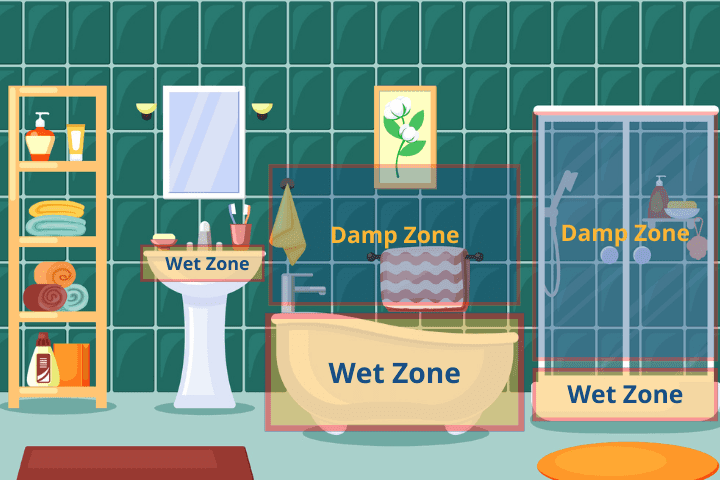
Here's how the zones break down — I've shown both U.S. and UK figures so you can apply whichever framework is relevant where you are:
| Zone | Where it is | Minimum rating | Notes |
|---|---|---|---|
| Wet (NEC) / Zone 0 (UK) | Inside the bathtub, shower tray, or hot tub — fixtures sitting in standing water | IP68 (continuous immersion) | IP67 only covers brief immersion; IP68 is required for fixtures permanently in water. |
| Damp / Zone 1 | Directly above the tub or shower, up to 8 ft (2.5 m) NEC / 2.25 m UK | IP44 minimum, IP65 recommended; wet rating required if subject to shower spray | UK BS 7671 also requires 30 mA RCD protection in this zone. |
| Outer Damp / Zone 2 | Within 3 ft (900 mm) NEC / 600 mm UK horizontally of the tub, shower, or basin | IP44 minimum, damp-rated | Dry-only fixtures are not allowed here. |
| Dry | Rest of the bathroom, beyond the zones above | Dry rating acceptable | Damp-rated still preferred for resilience to humidity. |
Certifications and GFCI: What IP Ratings Don't Cover
An IP rating is only one part of the safety picture. In the U.S. and Canada, fixtures also need to carry a recognized third-party safety certification — typically a UL or ETL (Intertek) listing mark. In Europe, look for the CE mark. These certifications mean the fixture has been independently tested for electrical, fire, and shock hazards.
Country of manufacture isn't a reliable proxy for safety. Plenty of LED fixtures made in China are tested and certified to UL standards by ETL/Intertek for the U.S. market, and an uncertified product made anywhere is a risk. The mark on the box matters more than the label on the back.
U.S. electrical code also requires GFCI (ground-fault circuit interrupter) protection on bathroom receptacle circuits per NEC 210.8(A), and many bathroom lighting circuits — particularly those serving fixtures in the tub or shower zone — fall under the same protection requirement. If you're installing or replacing a bathroom fixture and the circuit isn't GFCI-protected at the breaker or upstream, raise it with an electrician before the job goes any further.
Hazards of Using a Dry-Rated LED in a Bathroom
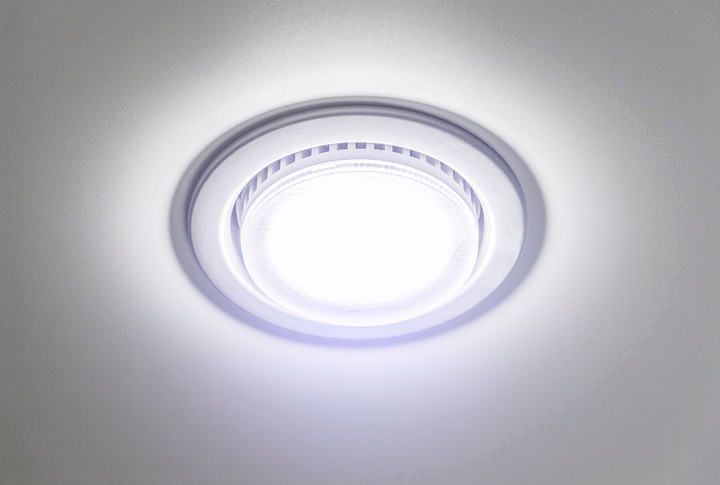
If a dry-rated bulb ends up in a damp or wet zone, here's the chain of events that can follow:
- Moisture penetrates the fixture. Steam and condensation work into seams that weren't designed to keep them out.
- Water bridges the circuit. Because water is conductive, it creates unintended paths between components on the LED driver board.
- The circuit shorts out. The unplanned current path can blow components and trip the breaker.
- Components fail permanently. Even after the fixture dries out, internal damage often means it won't power back up — or it powers up unreliably.
- The bulb may pop or shatter. In severe cases the bulb can rupture, and a thin uncertified casing can shatter, becoming a physical hazard above a wet floor.
A quality, properly rated fixture should handle the occasional moisture event without failing. Cheap, uncertified LEDs in the wrong location are the dangerous combination.
Recessed vs. Surface-Mounted Fixtures
Recessed cans and surface-mounted fixtures don't share the same rating requirements, even when they're installed in the same zone.
For a recessed light installed in a shower ceiling, look for a fixture specifically labeled "shower-rated" or "wet location" with a sealed lens. The housing must form a continuous seal to keep steam from entering the ceiling cavity, where it can cause insulation and joist problems over time. Many manufacturers sell shower-rated trim kits that pair with specific airtight, IC-rated housings — make sure the housing and trim are matched on the spec sheet.
Surface-mounted fixtures (flush mounts, vanity bars, sconces) are easier to source for damp use and can be swapped without ceiling work. For surface mounts in Zone 1 or directly above the tub or shower, the same IP44/IP65 rules apply — check the listing card before you buy.
Which LED Bulbs Are Best for the Bathroom?
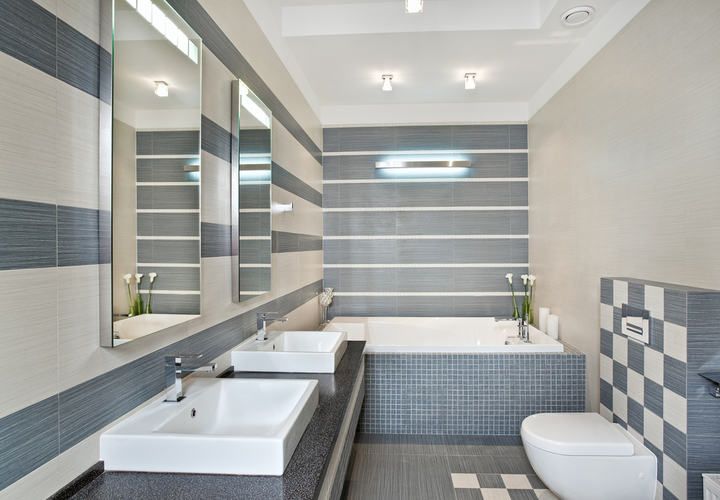
Even where a dry-rated bulb is technically allowed, I'd default to a damp-rated fixture throughout the bathroom. The cost difference is small, and the fixture will keep working if your ventilation fan fails or someone takes an unusually steamy shower.
Two priorities when shopping:
- An IP rating of IP44 or better (IP65+ for fixtures near the shower).
- A UL or ETL listing mark on the fixture and packaging.
Ceiling Lights
Start with a high-quality ceiling light — bathroom floors get slick, and you want enough light to see hazards. H
Vanity Lights
A bright vanity light helps with skincare, shaving, and grooming detail work. Pick one with high CRI (90+) for accurate color rendering at the mirror.
Bathroom LED Safety Checklist
Before installing any LED in a bathroom, run through this short checklist:
- Identify the zone. Is the fixture inside the tub/shower, directly above it (within 8 ft / 2.5 m), within 3 ft (900 mm) horizontally, or further out?
- Match the rating. Wet-rated and IP68 inside the tub or shower; damp-rated and IP44 minimum in Zone 1 and Zone 2; dry-rated acceptable beyond.
- Confirm certification. Look for a UL or ETL mark (CE in Europe). No mark, no install.
- Check the circuit. Bathroom circuits should be GFCI-protected — confirm at the breaker or upstream receptacle before powering up.
When in doubt, over-rate rather than under-rate the fixture, and bring in a licensed electrician for anything in the wet or damp zones.
FAQ
Can I use a dry-rated LED bulb in a damp-rated fixture?
Yes — the fixture's location rating is what matters for code compliance and safety. The bulb itself doesn't need a separate damp rating as long as it's installed inside an enclosed, properly rated fixture. For exposed bulbs in damp zones, choose a bulb rated for damp or wet use.
What's the difference between IP65, IP67, and IP68?
IP65 is dust-tight and protected against low-pressure water jets from any direction — fine for shower-area fixtures that aren't directly submerged. IP67 covers temporary immersion in water up to 1 meter deep for up to 30 minutes. IP68 is rated for continuous immersion at depths and durations the manufacturer specifies, which is what you need for fixtures sitting in standing water inside a tub, hot tub, or pool.
Do I need a damp-rated LED for a vanity light over the sink?
In the U.S., a vanity light directly over a basin sits within the NEC outer damp zone, so an IP44 or higher damp-rated fixture is the safe and code-compliant choice. Most vanity bars sold for bathroom use are damp-rated by default — confirm on the listing card before buying.
Does a bathroom fan eliminate the need for a damp-rated light?
No. A ventilation fan reduces overall humidity, but the NEC zone classification depends on a fixture's proximity to water sources, not on whether a fan is installed. Fixtures inside or directly above the tub or shower still need damp or wet ratings regardless of the ventilation.