
Recessed Lighting
Light fixtures installed flush into the ceiling, creating a clean, unobtrusive look. Also called can lights or downlights. Available as integrated LED or with replaceable bulbs.
Recessed lights sit inside a hole cut in the ceiling, with only the trim ring visible from below. This clean, minimal look has made them the most popular ceiling lighting option in modern homes — they provide illumination without visual clutter.
Sizing matters. 4-inch recessed lights work well in hallways, closets, and as accent lighting. 5-6 inch is the standard for general room illumination. The housing can be either new construction (nailed to joists before drywall goes up) or remodel/retrofit (inserted into an existing ceiling through a cut hole).
The biggest decision for new installations is between can-style housings with separate BR30/PAR30 bulbs and canless integrated LED wafer lights. Canless wafers are thinner (important with shallow ceiling cavities), easier to install, and generally produce more even light. The trade-off is that you can't swap the bulb when LEDs degrade — you replace the entire wafer. Given 50,000+ hour lifespans, most people won't need to replace them for 15-20 years.
Specifications
| Common sizes | 4 inch, 5 inch, 6 inch |
| Types | New construction, remodel/retrofit |
| IC rated | Safe for insulation contact |
Related Terms
- IC Rated
A safety rating for recessed light fixtures that are approved for direct contact with ceiling insulation. Non-IC fixtures require clearance from insulation to prevent fire risk.
- BR30 Bulb
A bulge reflector shape 3.75 inches in diameter, designed for recessed can fixtures. Produces a wide, even flood of light directed downward.
- Ambient Lighting
The primary, overall illumination in a room — the base layer that provides uniform light for general visibility. Usually from ceiling fixtures, recessed lights, or large floor lamps.
- Integrated LED
A fixture with LED chips built directly into the housing — no replaceable bulb. Generally more efficient and slimmer, but the entire fixture must be replaced when LEDs fail.
Mentioned in
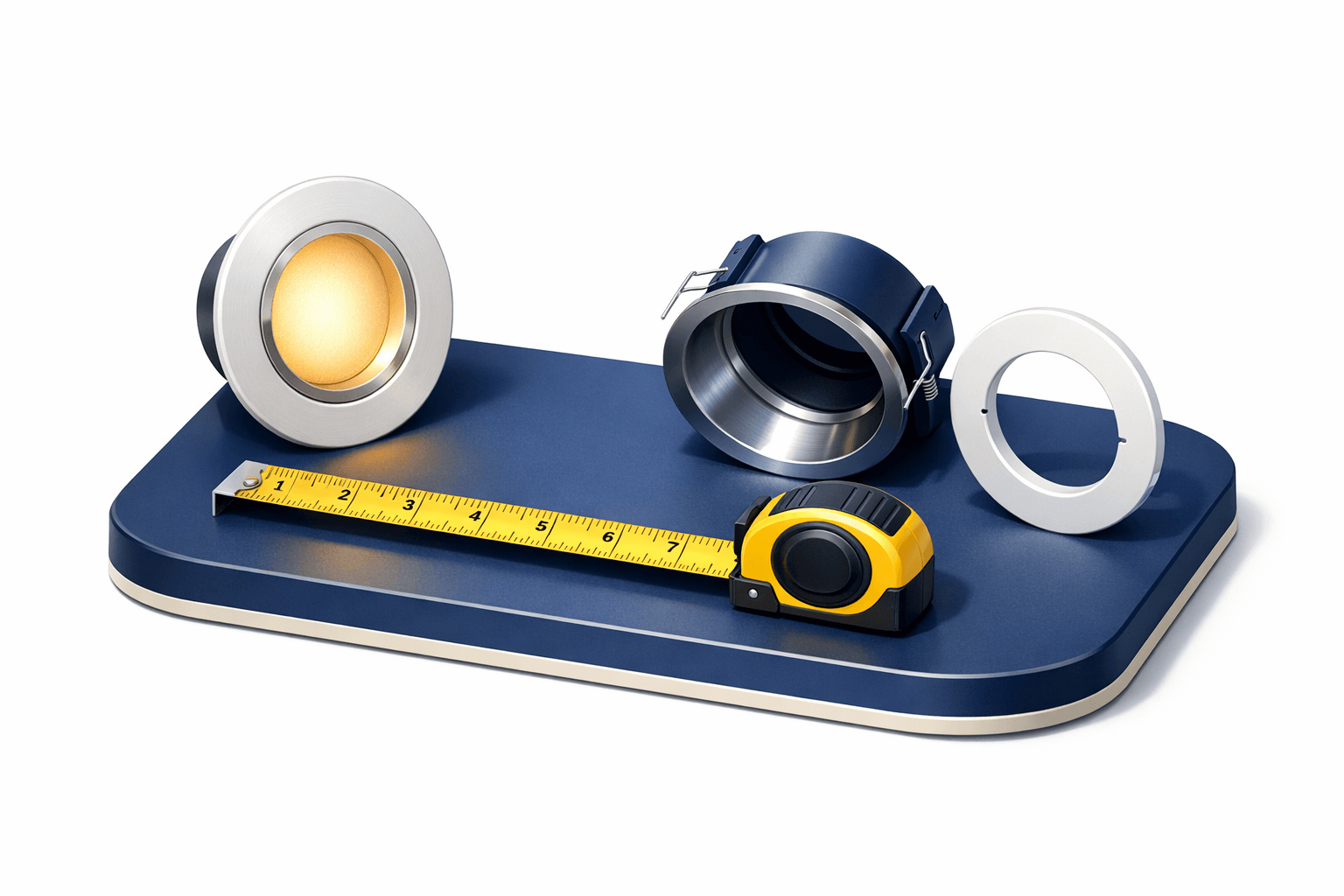
How To Measure Recessed Lighting Size?
That 6″ stamped on your recessed can is the housing diameter — not the rough-cut hole size you need to mark on the ceiling. The two numbers are close, but mixing them up is exactly how you end up with a gap the trim can't cover.
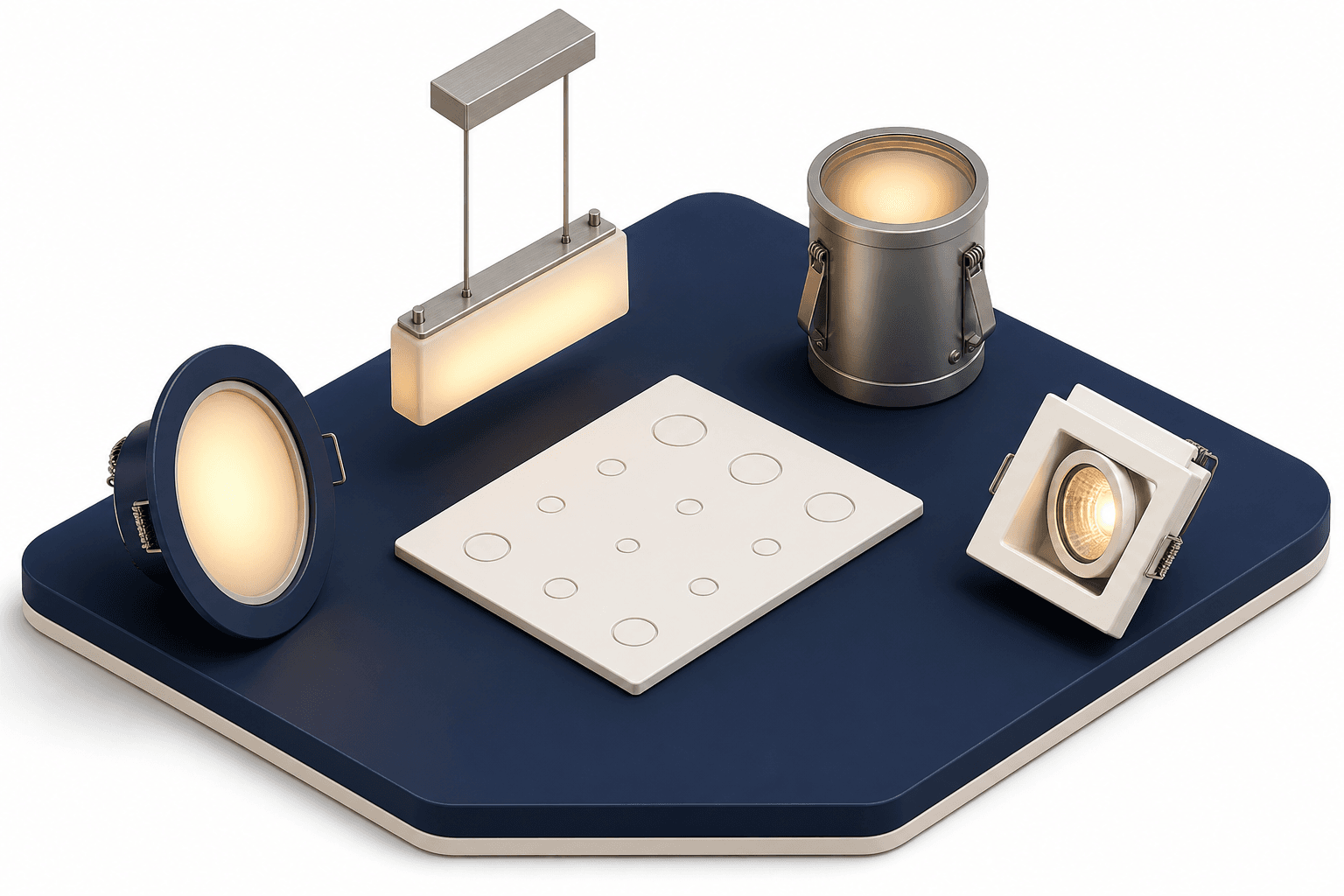
How To Space Recessed Lighting In Kitchen?
Divide your ceiling height by two — that single rule gives you the correct spacing between recessed lights, and it's why the popular 'match fixture diameter to spacing' shortcut quietly fails on anything but an 8-foot ceiling.
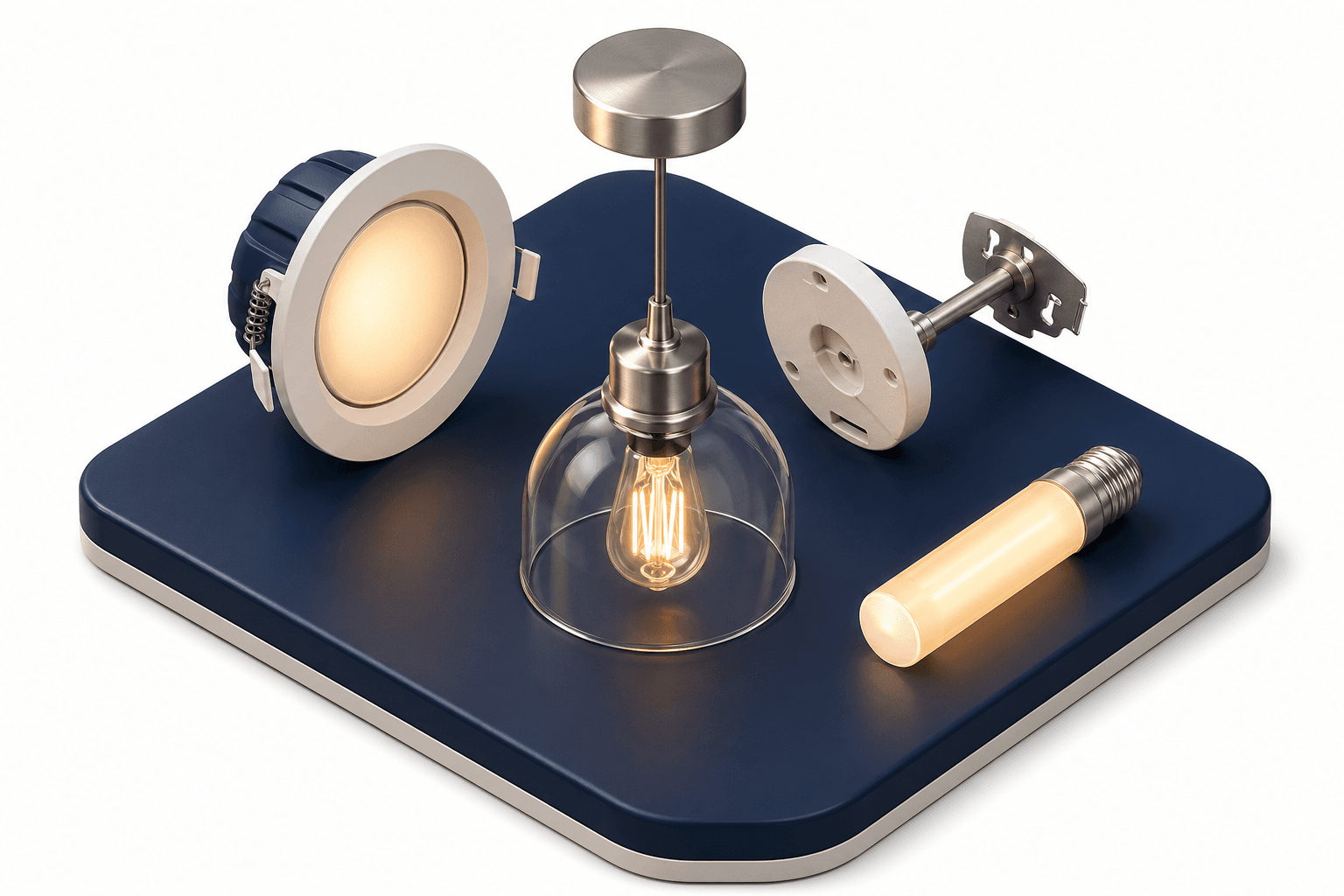
How To Change Recessed Lighting To Pendant?
That recessed light might need a 30-minute adapter swap — or a half-day rewiring job. Which one depends entirely on whether your fixture has a removable bulb.
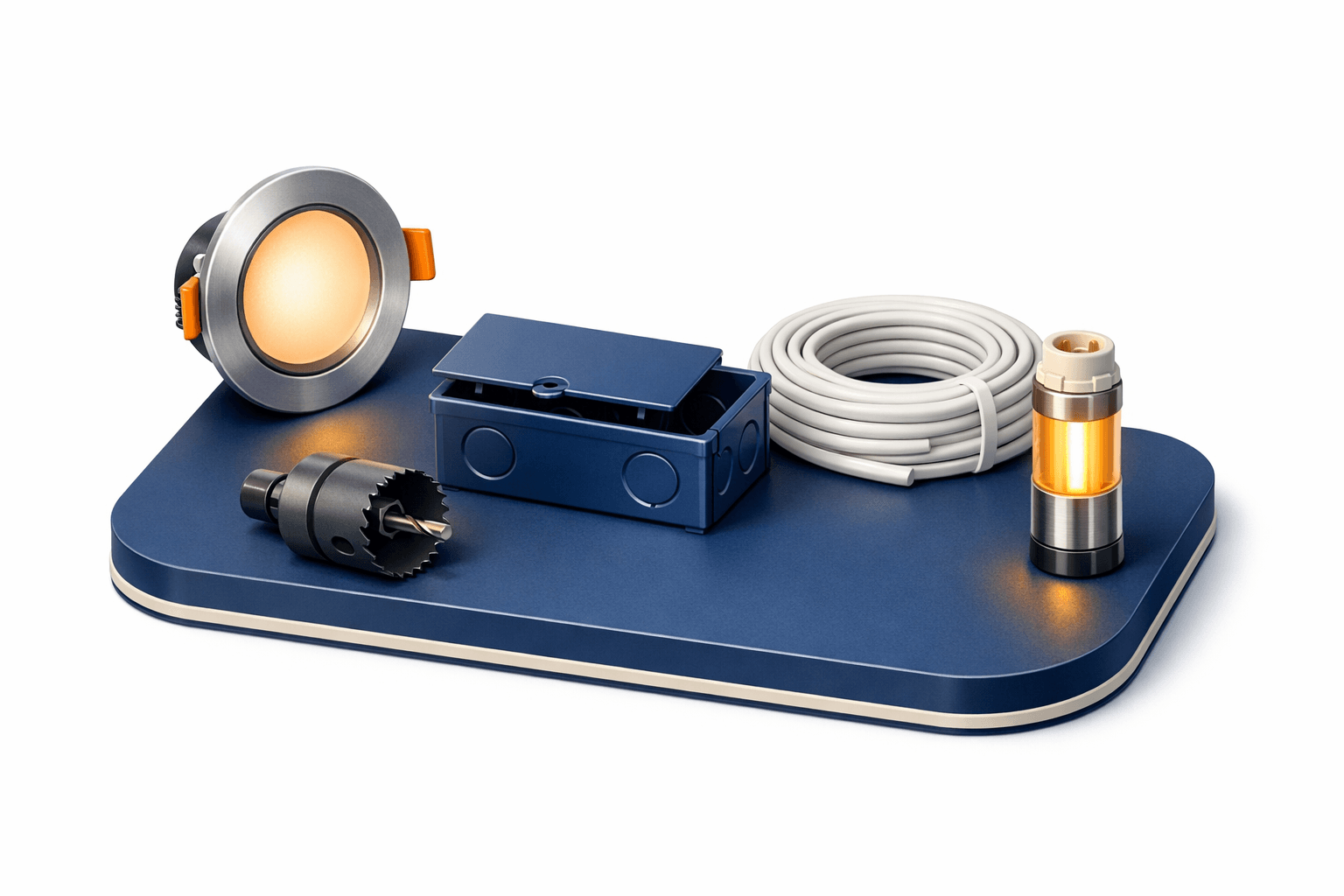
How To Install LED Recessed Lighting In Existing Ceiling?
Tapping into an existing circuit works fine for recessed LEDs — each can draws just 0.1–0.2 A — but the fixture type you buy determines whether you ever need attic access at all.
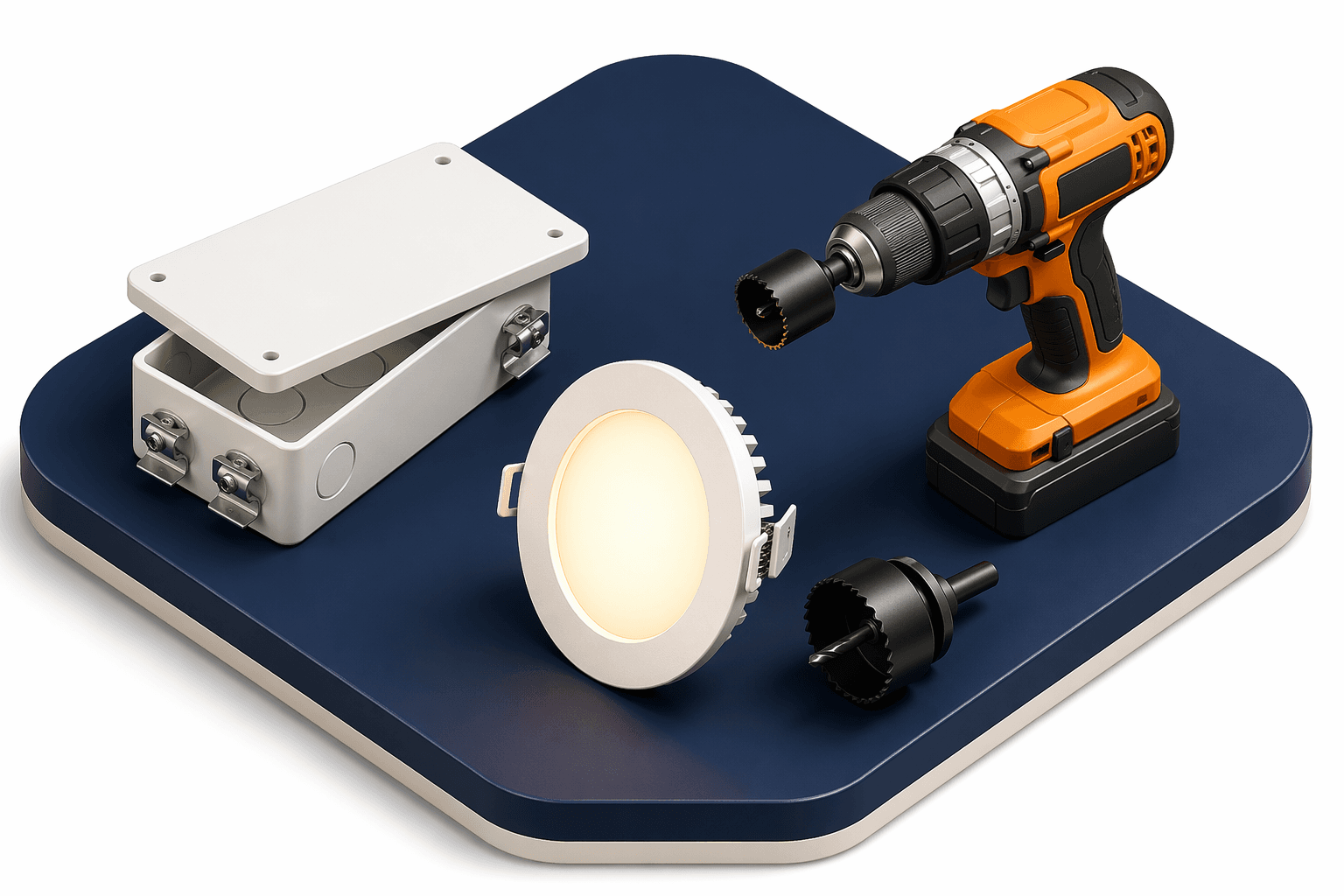
How To Install Canless Recessed Lighting?
The canless disc really can tuck beneath a joist — but the driver box behind it still needs 2–4 inches of clearance beside one, which matters a lot on shallow ceilings.
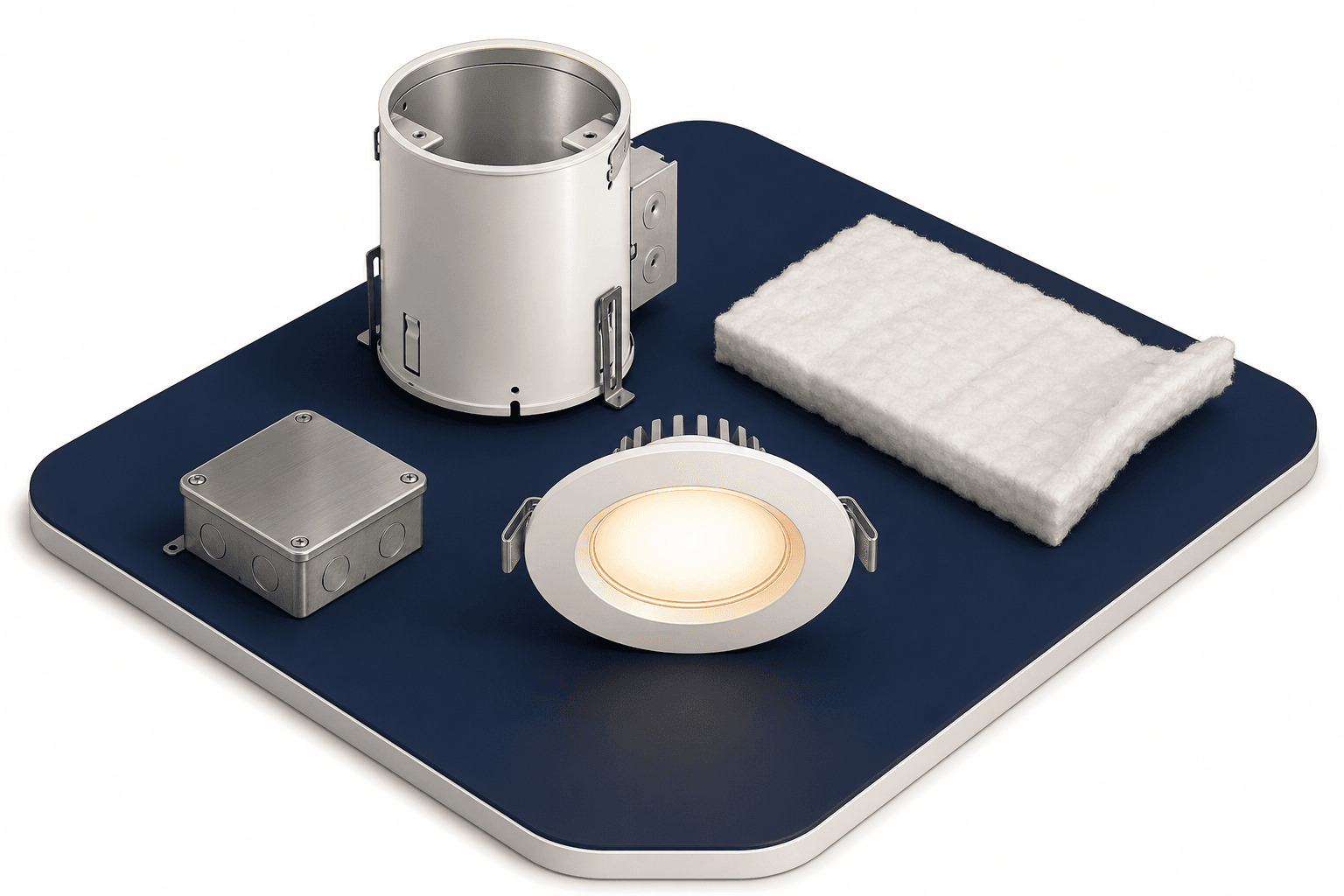
How To Tell If Recessed Lighting Is IC Rated?
Shine a flashlight inside the can after pulling the trim — the only definitive answer is a "Type IC" or "IC-AT" label stamped near the lampholder. Vent slots, light leakage, and housing color are hints, not proof.