IP Rating
Ingress Protection rating — a two-digit code indicating resistance to dust (first digit, 0-6) and water (second digit, 0-9). Higher numbers mean better protection.
IP rating is the international standard for measuring how well a fixture resists dust and water. The first digit (0-6) rates solid particle protection — 6 means completely dust-tight. The second digit (0-9) rates water protection — from no protection (0) to high-pressure steam jets (9).
For lighting, the ratings that matter most are: IP20 (indoor only, no water protection), IP44 (splash-proof — fine under a covered porch), IP65 (hose-proof — suitable for open outdoor installation), IP67 (can be briefly submerged to 1 meter), and IP68 (continuous submersion — pools and ponds).
The most commonly misused term in LED product listings is "waterproof." Many strips and fixtures claim waterproof status without specifying an IP rating. True waterproof means IP67 or higher. IP65 is water-resistant, not waterproof — it handles rain but not submersion. Always check the actual IP number rather than trusting marketing language.
Specifications
| IP20 | No water protection — indoor only |
| IP44 | Splash-proof — covered outdoor use |
| IP65 | Dust-tight, water jet resistant — outdoor |
| IP67 | Submersible up to 1m / 30 min |
| IP68 | Continuous submersion — pools, ponds |
Related Terms
- Low Voltage Lighting
Lighting systems that operate on 12V or 24V instead of mains voltage (120V/240V). Common in landscape lighting and LED strips — safer to install and requires a transformer.
- GFCI Protection
A safety device that instantly cuts power when it detects current leaking to ground — preventing electrocution. Required by code for outdoor, bathroom, kitchen, and pool/spa lighting circuits.
Mentioned in
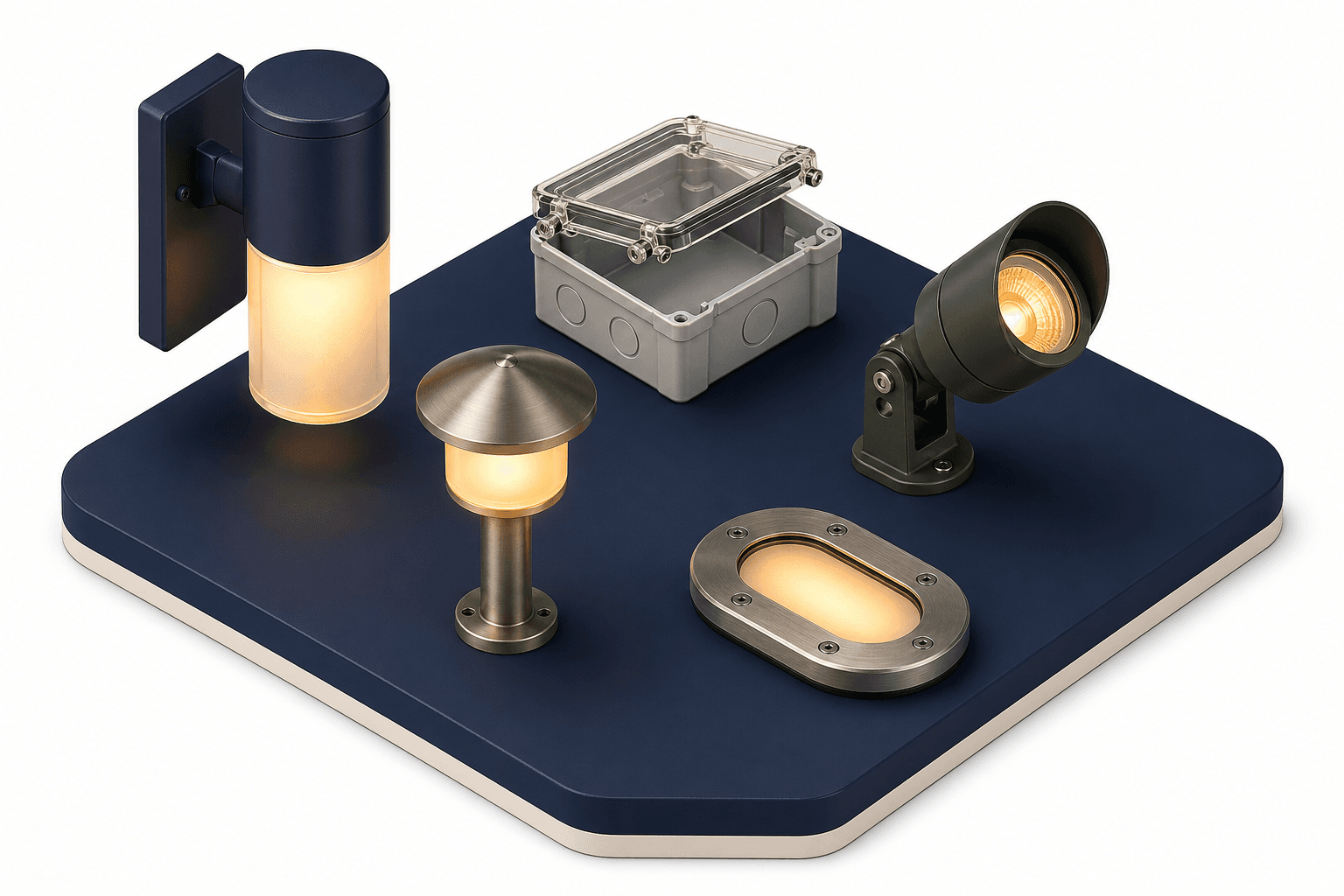
How To Protect Outdoor Lights From Rain?
A plain IP67 light handles immersion but fails a pressure-jet test — and since ratings don't stack, you need a dual-rated fixture like IP65/IP67 if you want both.
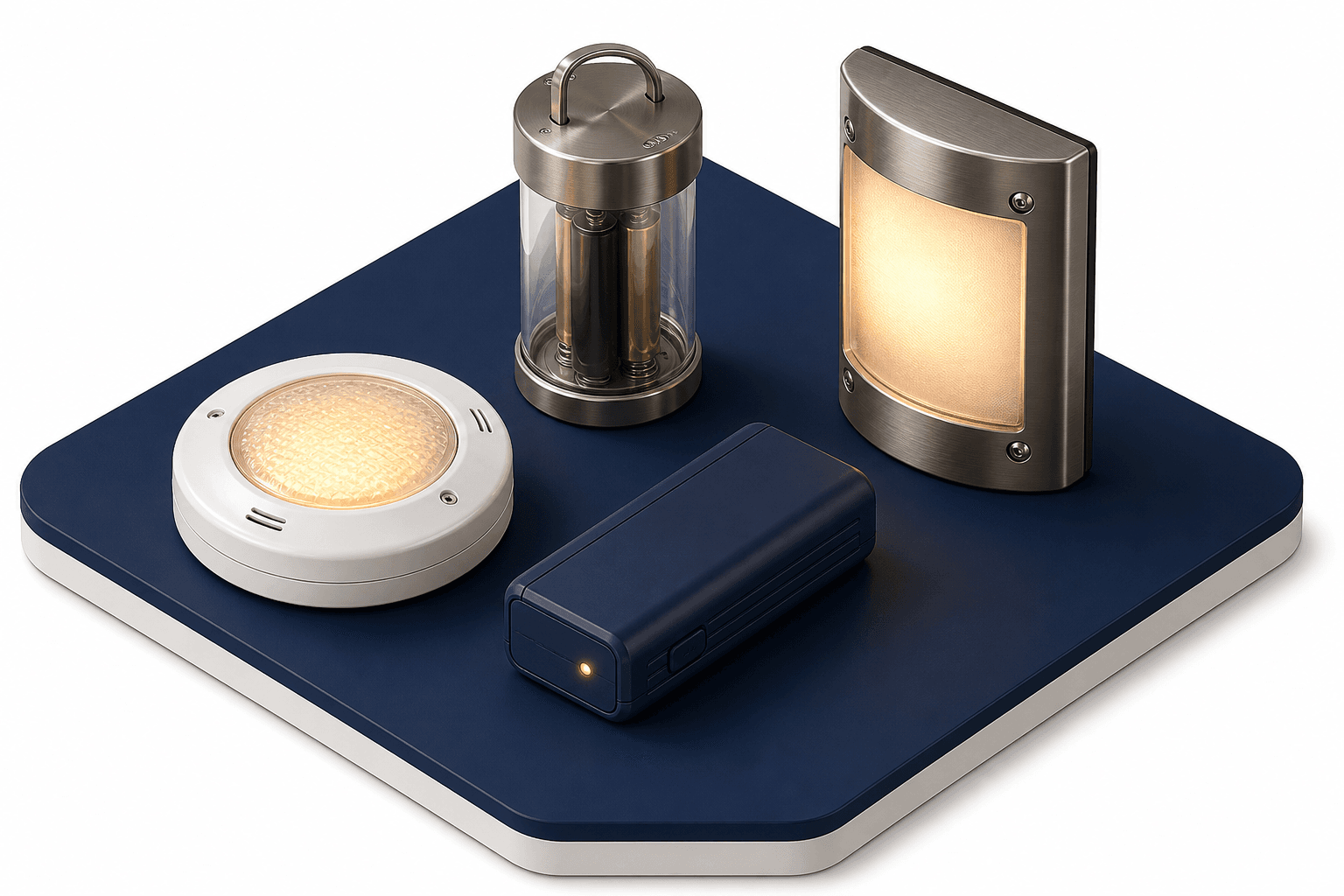
Can Pool Lights Be Powered By Batteries?
IP67-rated lights are only certified for 30 minutes of immersion — not continuous underwater use. For a pool, IP68 is the only rating that actually holds up.
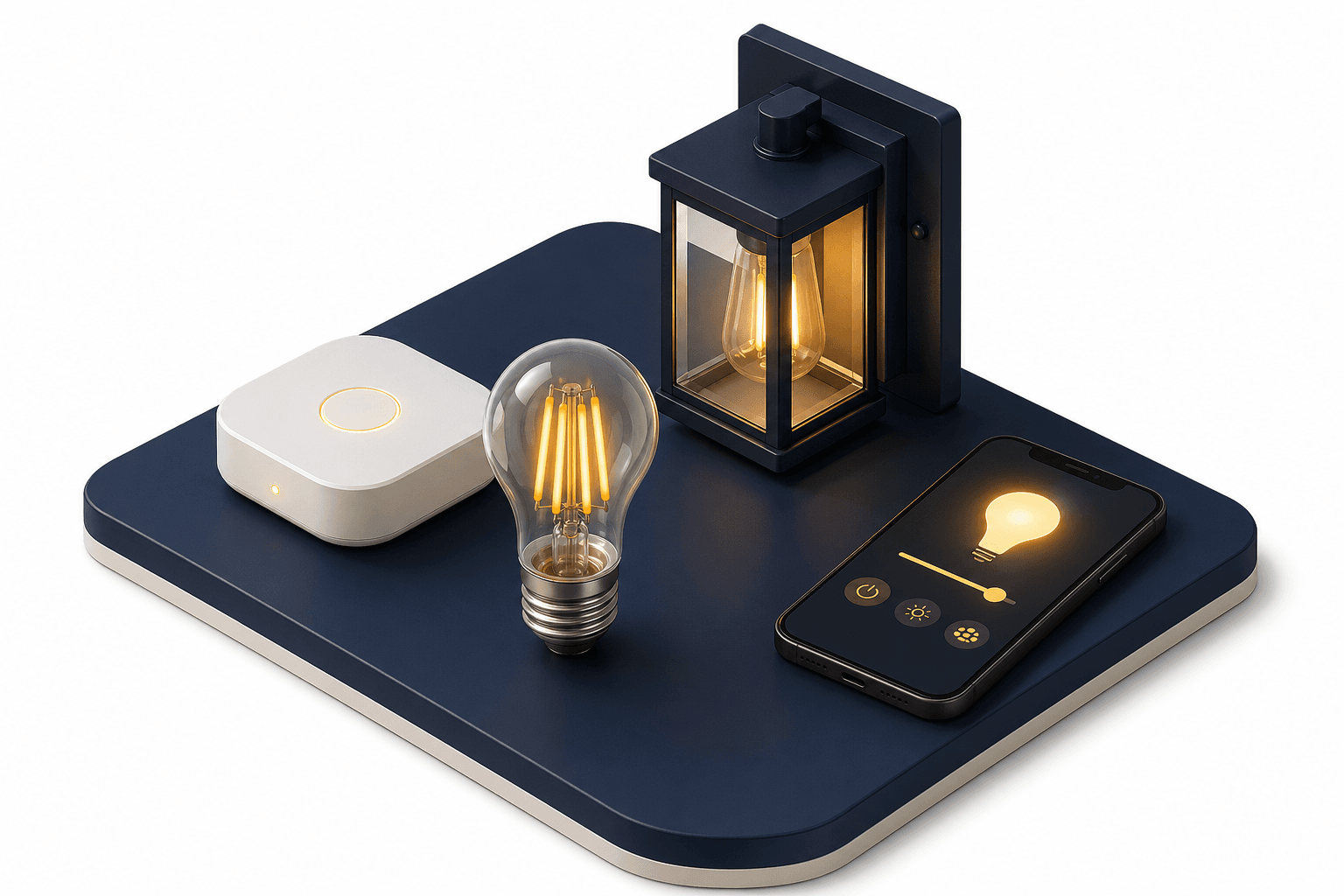
Can You Use Smart Bulbs Outside?
That porch fixture might look enclosed enough, but without an IP65 rating, a smart bulb outside is just waiting for one rainy season to short out its electronics.
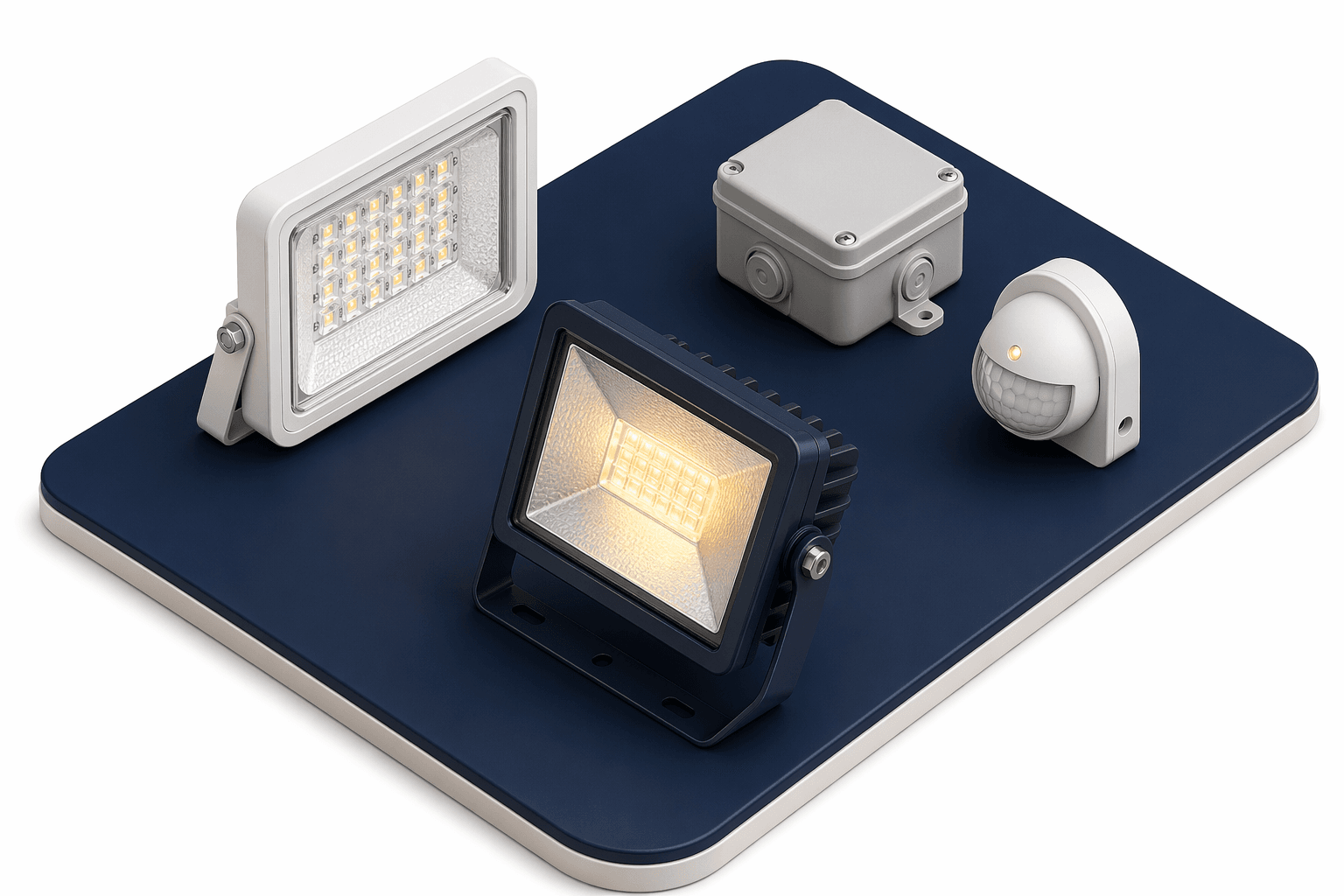
Can You Use Indoor LED Flood Lights Outdoor?
Water reaching an indoor bulb's contacts doesn't just kill the bulb — it can arc and ignite nearby material before your breaker even reacts. That's the failure chain a simple IP65 rating is designed to prevent.
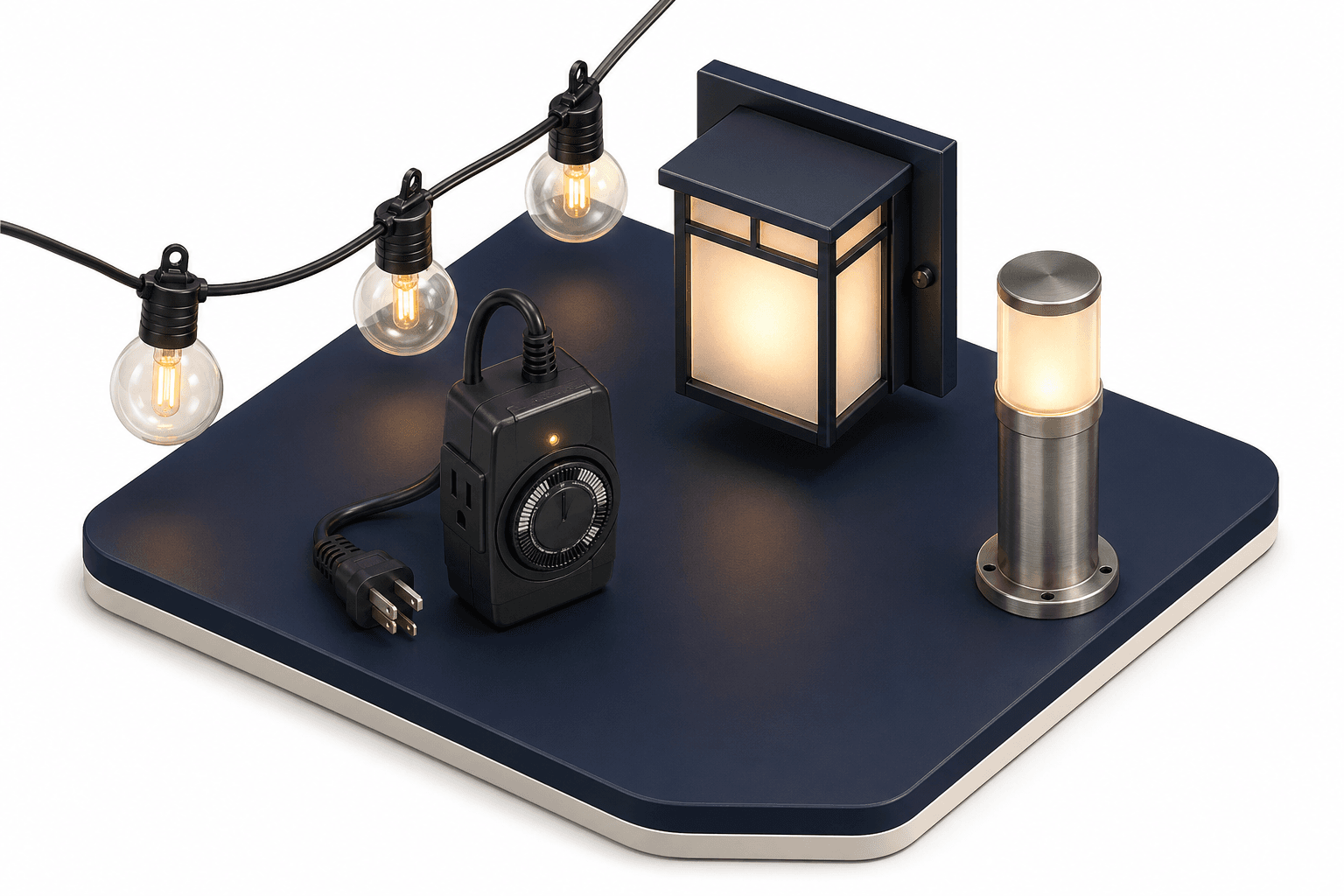
Can Patio Lights Stay Out In Winter?
IP67 certifies your lights can survive submersion, but it says nothing about freezing temperatures — that comes down to the gasket materials and driver electronics instead.