Do LED Strip Lights Attract Spiders?
Spiders aren't drawn to your LED strip lights — but blue and UV settings attract the insects they hunt, turning your strip into a 24-hour buffet. Warm whites around 2700 K attract fewer bugs than even dedicated yellow bug lights.
 Eugen
EugenEugen Nikolajev
Creator of LED Lighting Info
Hi, I am Eugen. I was always one of those kids who had all sorts of weird lighting gadgets for every occasion.
Now, I want to share my knowledge and experience about lighting with you on LED Lighting Info.
Read my editorial standards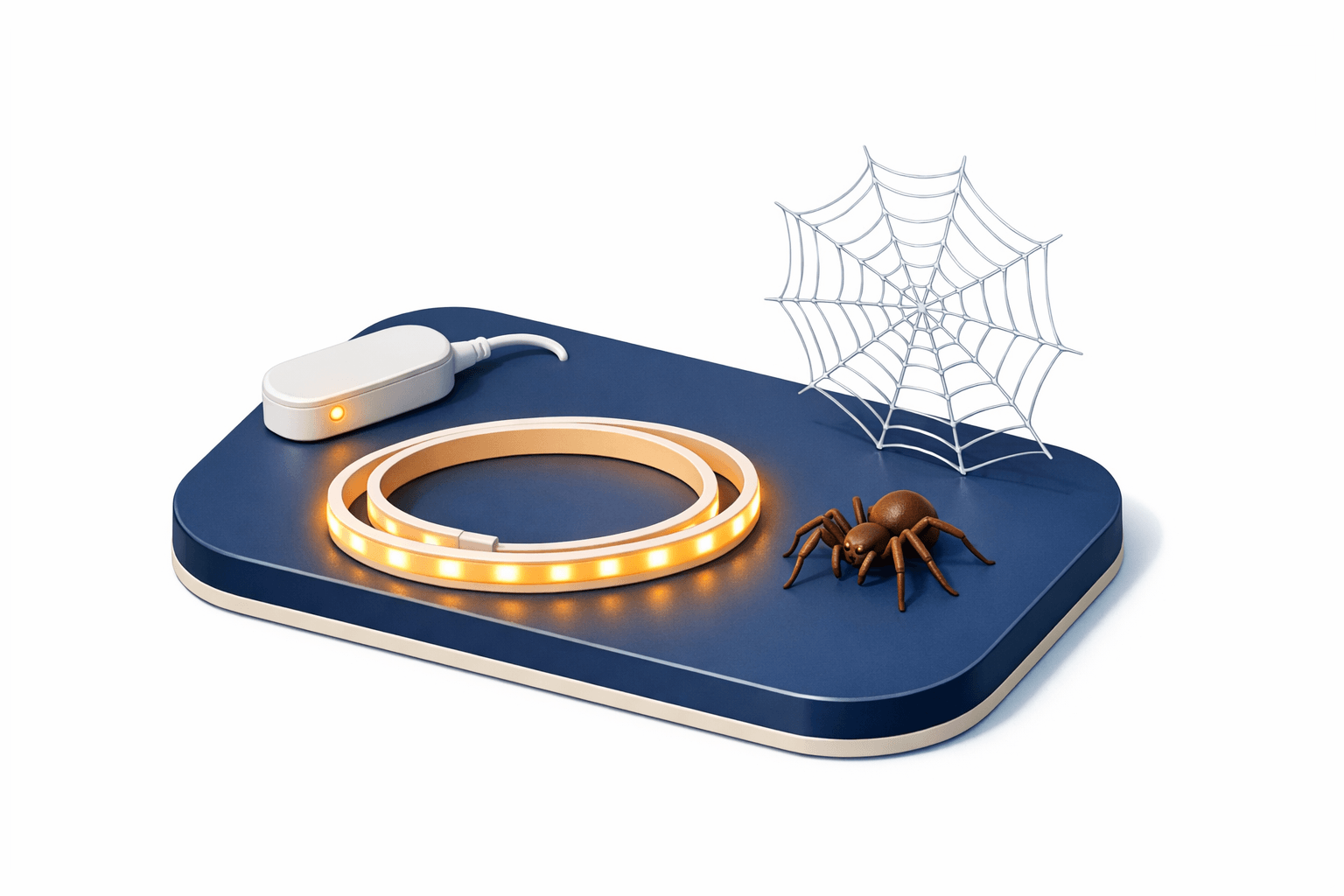
Key Takeaways
LED strip lights don't directly attract spiders, but they can attract insects — and spiders follow the food. Web-builders that settle near a light source catch more prey, so spider populations tend to concentrate in those areas over time. With the right color, brightness, and a few cleaning habits, you can break that cycle.
If you've installed LED strip lights and started noticing more spiders, the lights themselves probably aren't to blame — but they may be setting the stage. Here's what's actually going on.
I'll cover:
- Why spiders end up near LED strip lights
- Which colors and brightness levels attract the most bugs
- How to stop spiders from being drawn to your strip lights
Do LED Lights Attract Spiders?
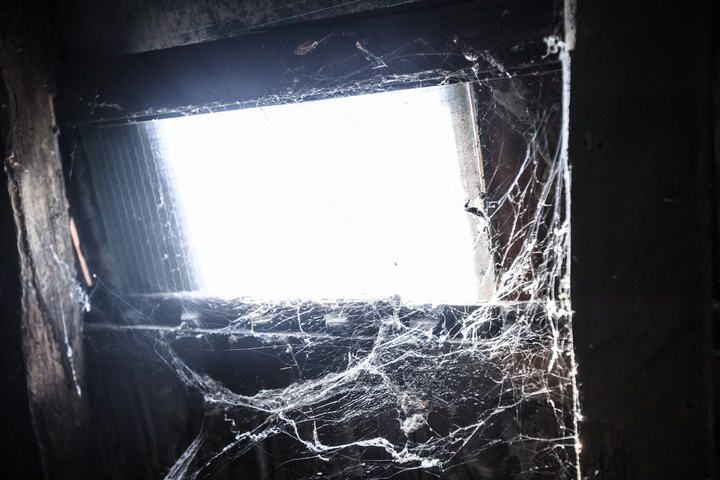
Spiders aren't drawn to LED light directly. Smaller bugs are — particularly when the strips are set to UV, blue, or purple wavelengths that insects use for navigation. Once those insects start gathering around the strip, any web nearby becomes prime hunting ground.
Most house spiders aren't actively phototactic. They don't migrate toward light. Instead, the ones that happen to build webs near a productive food source catch more prey and reproduce more successfully, so over time their populations concentrate where the food is. From the spider's perspective, your LED strip is just lighting up a 24-hour buffet.
Insects themselves are highly responsive to light. Most flying species can see across roughly the 300–650 nm range, with peak sensitivity in the ultraviolet (around 365 nm) and a second strong peak in the green range (around 520–530 nm). The blue-violet/UV end of the spectrum is what draws the biggest crowds — which is why blue and purple LED settings tend to be magnets for moths, midges, and gnats.
For a deeper dive into the visual mechanics behind insect attraction, see my guide to bugs and LED lighting.
Think of any spiders that move in as the clean-up crew — they keep moths, mosquitoes, and gnats from getting out of hand. And in some cases, the spiders were already in your home; the new strip lights are just making them easier to spot.
What Color Attracts Spiders The Most?
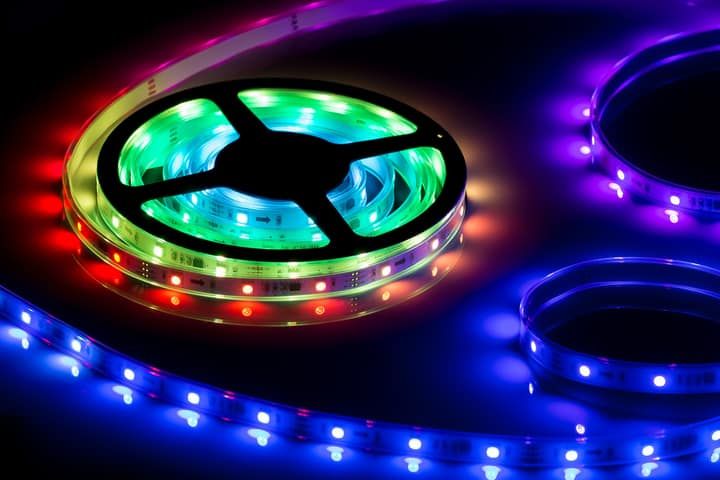
Because most insects orient toward UV and blue wavelengths, those same colors will indirectly pull in more spiders. Warm tones like sunset yellow, amber, and red sit outside the wavelengths most flying insects respond to, so they attract fewer prey — and, by extension, fewer spiders.
Here's how common LED settings stack up:
| LED Color / Setting | Wavelength | Bug Attraction | Spider Risk |
|---|---|---|---|
| UV / Purple | ~300–420 nm | High | High |
| Blue | ~450 nm | High | High |
| Cool White | 5000–6500 K | Medium-High | Medium |
| Warm White | 2700–3000 K | Low | Low |
| Yellow / Amber | ~570–590 nm | Very Low | Very Low |
| Red | ~620–750 nm | Very Low | Very Low |
Color temperature matters as much as the color setting on RGB strips. Cool-white and daylight-white LEDs (5000 K and above) emit substantial blue light and attract notably more insects than warm-white options. One field study found warm-white LEDs at 2700 K attracted the fewest insects of any common bulb tested — fewer even than dedicated yellow "bug lights."
Traditional incandescent bulbs attract more flying insects than LEDs, but heat is only part of the story. Their bigger draw is the broad continuous spectrum they emit, which includes plenty of UV and blue — exactly the wavelengths insects use to navigate. Heat is a secondary attractant for thermally-cued species like mosquitoes, but for moths, midges, and most other flying insects, the spectrum does the heavy lifting.
Brightness Matters Too
A high-lumen warm-white strip will still pull in more bugs than a dimmed version of the same strip. If your controller supports it, run the strips at lower output after dark — many smart drivers can ramp brightness down automatically at sunset. Lower output means fewer visible photons drawing insects in, and a noticeable drop in spider activity over time.
Indoor vs. Outdoor Strips
Outdoor strips — on a porch, pergola, garden path, or under an eave — face a much heavier bug load than indoor ones, simply because they're competing for attention with much larger insect populations outside. If webs are forming around an exterior strip, color and brightness become especially important. Warm amber or "bug light" yellow LEDs marketed for outdoor use are designed to fall outside the wavelengths most flying insects respond to, and they make a clear difference compared to cool-white or RGB-on-blue settings.
Indoor strips usually only become a spider magnet if there's an external bug source feeding in (a nearby window left open at dusk, a screen door that doesn't seal) or if dust and food particles are accumulating around the strip itself.
How To Keep Spiders Away From Strip Lights
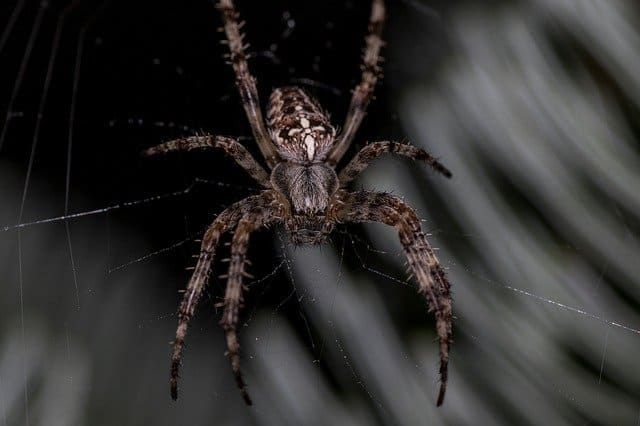
Work through these steps in order — most spider issues clear up after the first two or three.
- Switch to warm colors. Set RGB strips to red, orange, or amber, or swap cool-white strips for warm white in the 2700 K–3000 K range. Avoid blue, purple, and any UV-leaning settings.
- Dim the strips at night. Lower brightness means fewer visible photons reaching nearby insects. Most controllers and smart drivers support a brightness curve or schedule that ramps output down after sunset.
- Clean the area regularly. Dust the strips and the surrounding surface to remove dead insects, eggs, and cobwebs. A handheld vacuum or soft duster works well; for tight installations, a can of compressed air clears debris from behind the strip.
- Improve airflow with a heatsink channel. If your strips run in a low-airflow space, install an aluminum heatsink channel to keep PCB temperatures down. Cooler strips are slightly less attractive to thermally-sensitive insects like mosquitoes.
- Remove and reseat the strips for a deep clean if needed. Use a non-abrasive scrubbing brush (a nail brush or baby hairbrush works well) and warm air from a hairdryer to soften any residual adhesive. Citrus-based adhesive removers dissolve LED strip glue particularly well. See my full guide on removing LED strips from a wall.
- Apply natural deterrents in the surrounding area. Cedar oil and citrus-based scents may help repel some insects — particularly moths and ants. Cedar works best as small sachets of cedar chips placed inside cabinets near the strip, or as diluted essential oil applied to a cloth and wiped along nearby baseboards (don't apply oil directly to the strip itself). Citrus-based cleaners with d-limonene leave a residue some insects avoid; a quick wipe-down of the surrounding wall every few weeks is enough. Evidence for both is mixed and species-specific, so treat them as one layer of a strategy rather than a complete solution.
Final Words
LED strip lights don't summon spiders, but they can quietly become a hunting ground when the color, brightness, and surrounding cleanliness aren't dialed in. Stick to warm-white or warm-toned settings, keep the strips dim and clean, and the bug population around them will drop — with the spiders following close behind.
If the problem persists after a color and brightness change, look at what's drawing insects in the first place — an open window at dusk, food crumbs near a kitchen strip, or an outdoor strip facing a high-traffic insect zone like a hedge. Address the source, and the symptoms usually take care of themselves. If you haven't done it yet, changing your LED color to a warmer shade is the single highest-impact fix.
For more on how artificial lighting interacts with the rest of your household, see my guide on LED strip lights and dogs.