
Color Temperature
A measure of light appearance in Kelvin (K) — lower values are warm/yellow, higher values are cool/blue-white. Ranges from candlelight at 2200K to daylight at 6500K.
Color temperature is perhaps the most misunderstood spec on a light bulb box. It has nothing to do with heat — it describes the color of the light itself, measured in Kelvin (K). The scale is counterintuitive: lower numbers (2700K) produce warm, yellowish light like a candle, while higher numbers (6500K) produce cool, blue-white light like midday sun.
The practical ranges to know are: 2200K is candlelight amber, used in vintage-style filament bulbs. 2700K is classic warm white — the color of a standard incandescent bulb and the default for living rooms and bedrooms. 3000K is soft white, slightly cleaner and popular in modern kitchens. 4000K is cool white or neutral — bright and clear without being blue, ideal for offices and bathrooms. 5000K-6500K is daylight — crisp, blue-toned white for workshops, garages, and color-critical tasks like art and photography.
This matters more than most people realize. The same grey wall paint can look blue under 5000K light or warm taupe under 2700K. I've seen people repaint entire rooms when the real problem was a $5 bulb in the wrong color temperature. Mixing color temperatures in the same room — like a 2700K table lamp next to a 5000K overhead — creates a visual clash that makes both look wrong.
Tunable white (also called CCT tunable) is a newer technology that lets you adjust color temperature on the fly — from warm 2700K to cool 6500K in a single bulb. This is controlled via app, remote, or automation, and some "dim-to-warm" bulbs shift automatically from cool to warm as you dim, mimicking how incandescent bulbs naturally warmed up at lower brightness.
Specifications
| 2200K | Candlelight / vintage amber |
| 2700K | Warm white (standard incandescent) |
| 3000K | Soft white (slightly brighter) |
| 4000K | Cool white / neutral |
| 5000K | Daylight |
| 6500K | Cool daylight / blue-white |
Related Terms
- CRI (Color Rendering Index)
A 0-100 scale measuring how accurately a light source reveals true colors compared to sunlight. 90+ is considered excellent.
- Lumens
The unit measuring total visible light output. Unlike watts, lumens tell you how bright a bulb actually is.
- Phosphor
A yellow coating applied over a blue LED chip that converts part of the blue light into other wavelengths, creating white light. The phosphor blend determines color temperature and CRI.
Mentioned in
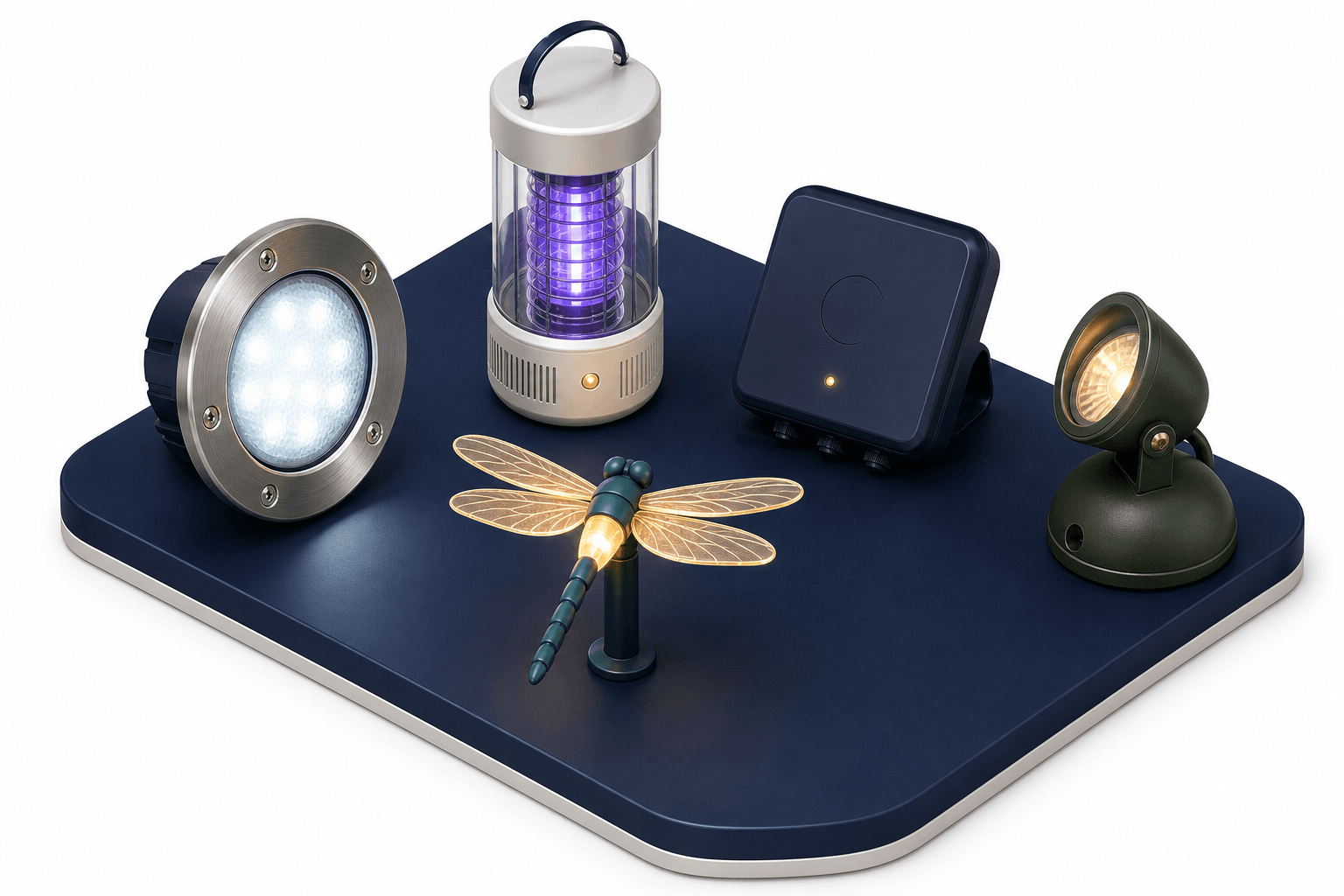
Do Pool Lights Attract Bugs?
Insects spiral into pool lights because they mistake them for the moon — a hardwired navigation glitch called transverse orientation. Switching to warm-white LEDs in the 2700K–3000K range cuts that draw dramatically, since most flying insects can't even see those wavelengths.
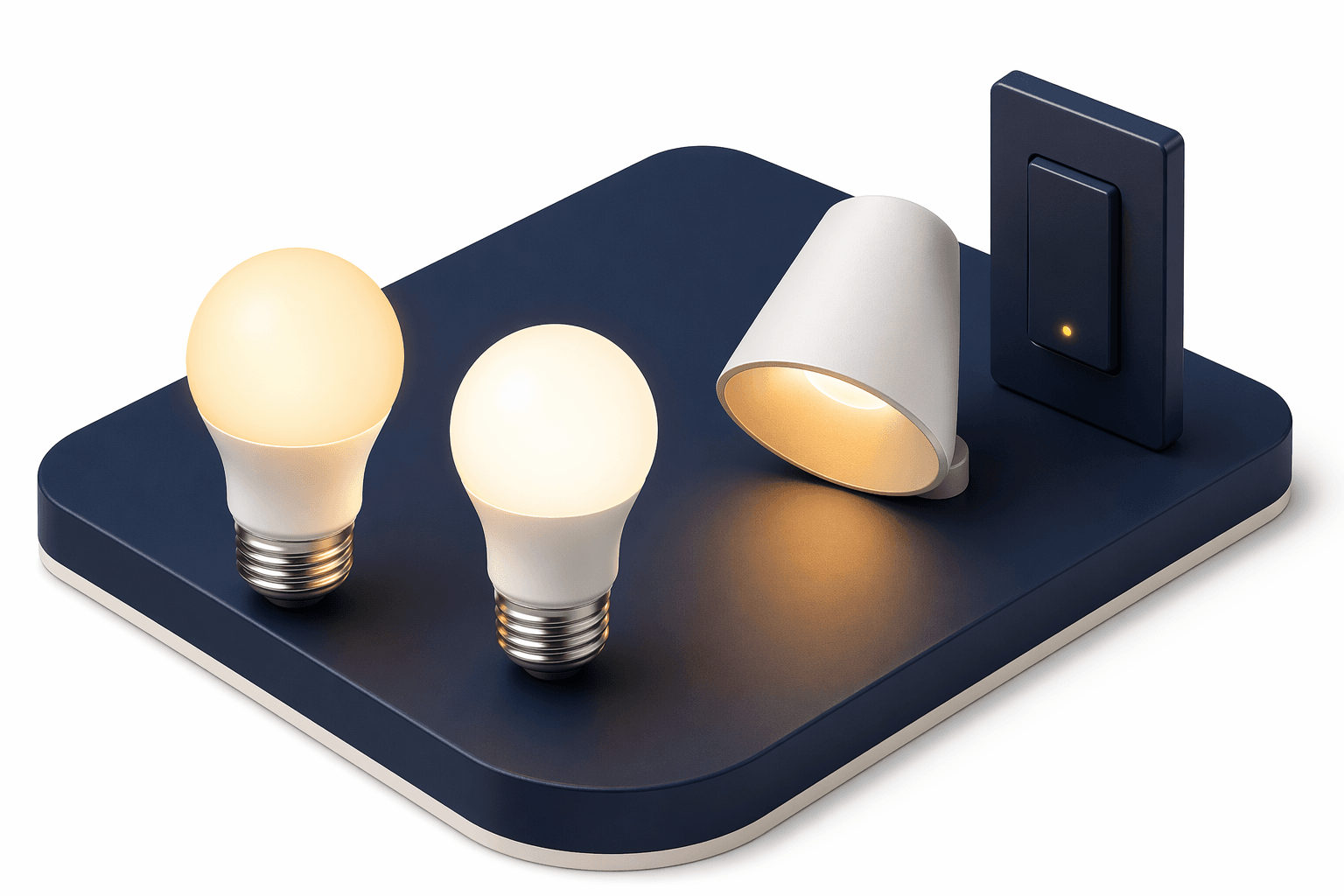
Choosing Between 2700K And 3000K: Which One Do I Need?
Sunset light sits between 2000K and 3000K — which puts a 2700K bulb closer to winding your body down for sleep than most people realize when they're just grabbing a bulb off the shelf.
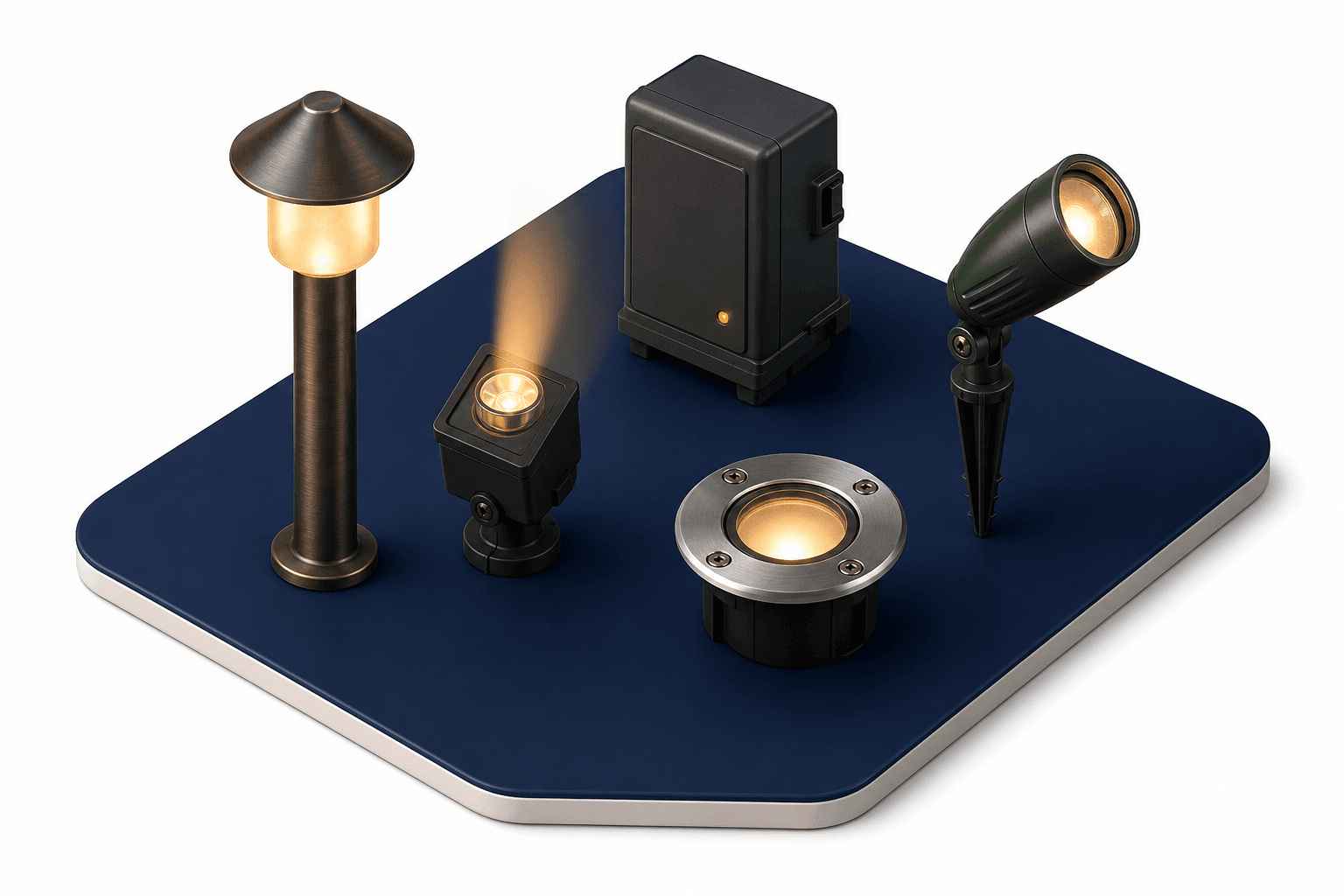
How Much Landscape Lighting Do I Need?
Mixing 2700K and 4000K fixtures is the single most common reason a garden looks 'off' at night — and it has nothing to do with how many lights you have.
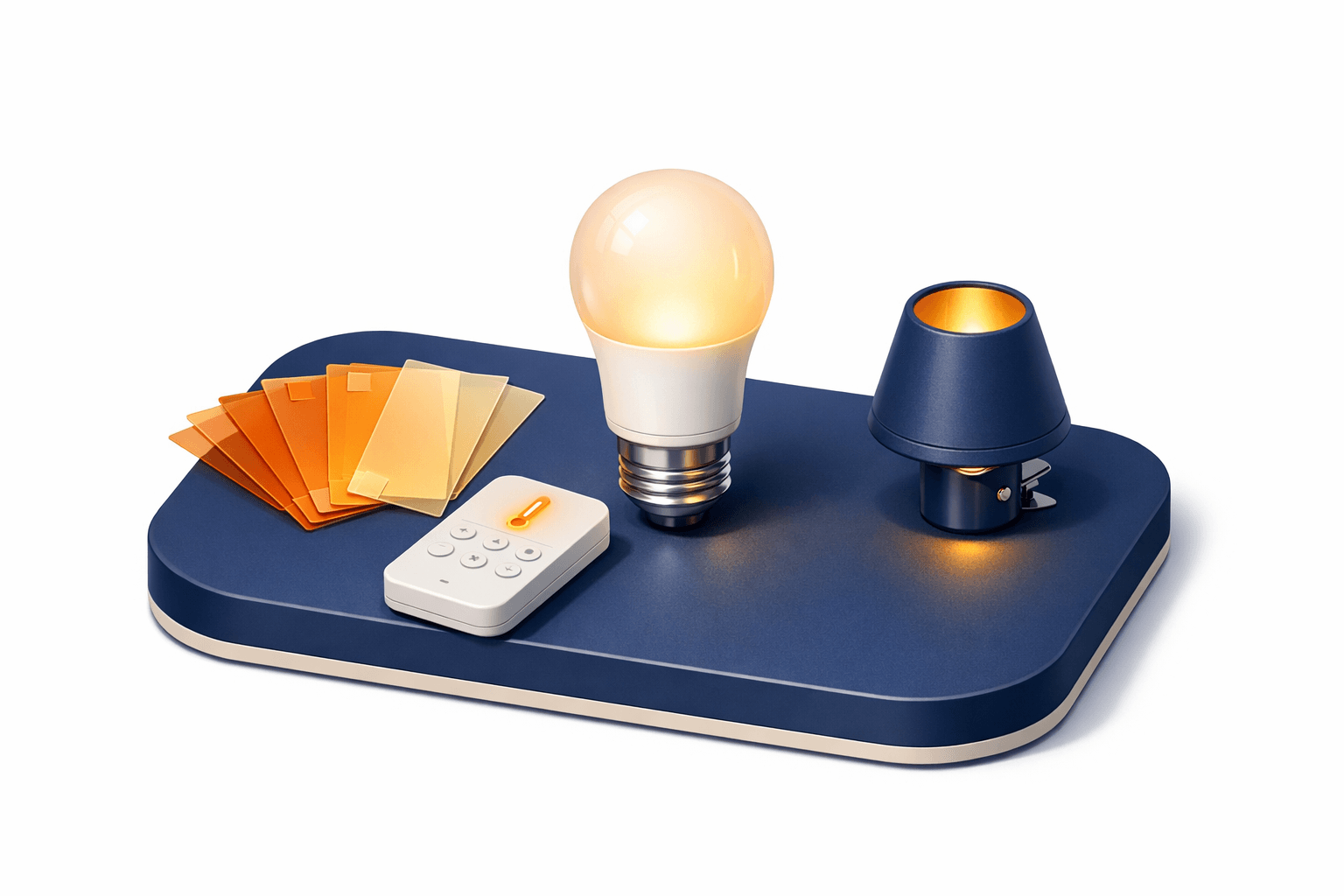
How To Make White LED Lights Look Warmer? 4 Filter Gels Tested
A full CTO gel on a 6000K bulb lands around 3000K–3200K — not the 2700K you'll often see quoted. Hitting true incandescent warmth usually means starting with a warmer bulb, not a stronger gel.
How To Check Color Temperature Of LED Light?
That three-digit code on your bulb — say, 827 or 955 — quietly tells you both the color temperature and color accuracy in one number, and most people walk right past it.
How To Choose LED Replacement For Compact Fluorescent Lamp (CFL)
That code on your CFL — CFQ26W/G24q-3/830 — isn't random; it encodes tube shape, pin type, and color temperature. Read it once, and finding the right LED replacement becomes straightforward.