
Is It Safe To Leave A Light Bulb Partially Unscrewed?
An empty socket is more dangerous than a dead bulb left inside it — exposed live contacts collect debris and stay accessible to fingers and stray metal objects.
 Eugen
EugenEugen Nikolajev
Creator of LED Lighting Info
Hi, I am Eugen. I was always one of those kids who had all sorts of weird lighting gadgets for every occasion.
Now, I want to share my knowledge and experience about lighting with you on LED Lighting Info.
Read my editorial standards
Key Takeaways
There’s no electrical danger to leaving a bulb partially unscrewed in a socket, but if it’s loose enough to fall, a shattered bulb is a real hazard. A partially unscrewed bulb is generally safer than an empty socket, which can let dust, debris, or a stray object bridge the live contacts.
Most of the time, a loose bulb is obvious — you tighten it and move on. But what if you can’t tell whether one is loose, or the fitting is awkward to reach? Here’s what’s actually at stake.
In this article I’ll explain:
- When a loose bulb is actually an electrical hazard — and when it isn’t
- Whether current flows through a partially unscrewed bulb
- Why leaving a dead bulb in place beats removing it — and why an empty socket is the worst option
What Are The Dangers Of A Loose Bulb In A Socket?
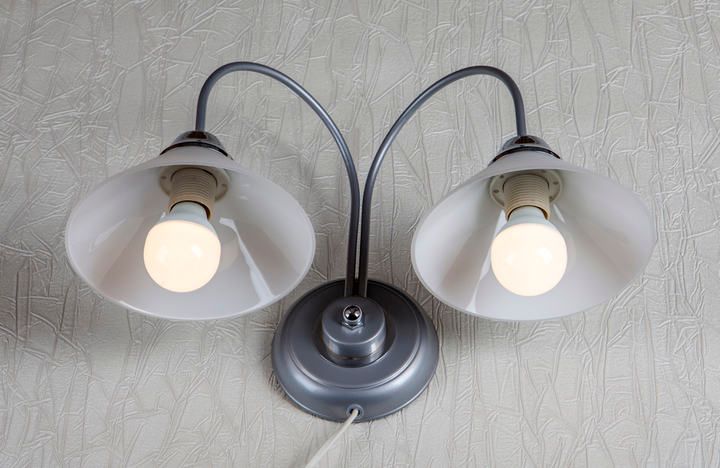
A loose bulb falls into one of three states depending on how loose it is. Each behaves a little differently:
| How Loose? | Electrical Behavior | Risk Level | Recommended Action |
|---|---|---|---|
| Barely loose | Works normally | Very Low | Tighten when convenient |
| Moderately loose | Flickering, faster burnout | Low | Tighten soon |
| Very loose | No contact, no light | Low–Medium | Tighten or replace; don’t leave the socket empty |
If your bulb flickers but isn’t visibly loose, don’t assume the bulb is the culprit. Flicker is also caused by incompatible dimmers, failing LED drivers, and voltage fluctuations elsewhere on the circuit. A quick re-seat is the cheapest first test, but not always the fix.
Smart bulbs add another wrinkle. Intermittent power from a loose contact can cause Wi-Fi or Zigbee bulbs (Philips Hue, LIFX, and similar) to reset, lose their pairing, or log connection errors. If a smart bulb keeps dropping offline in one fixture but not others, suspect the socket before the bulb.
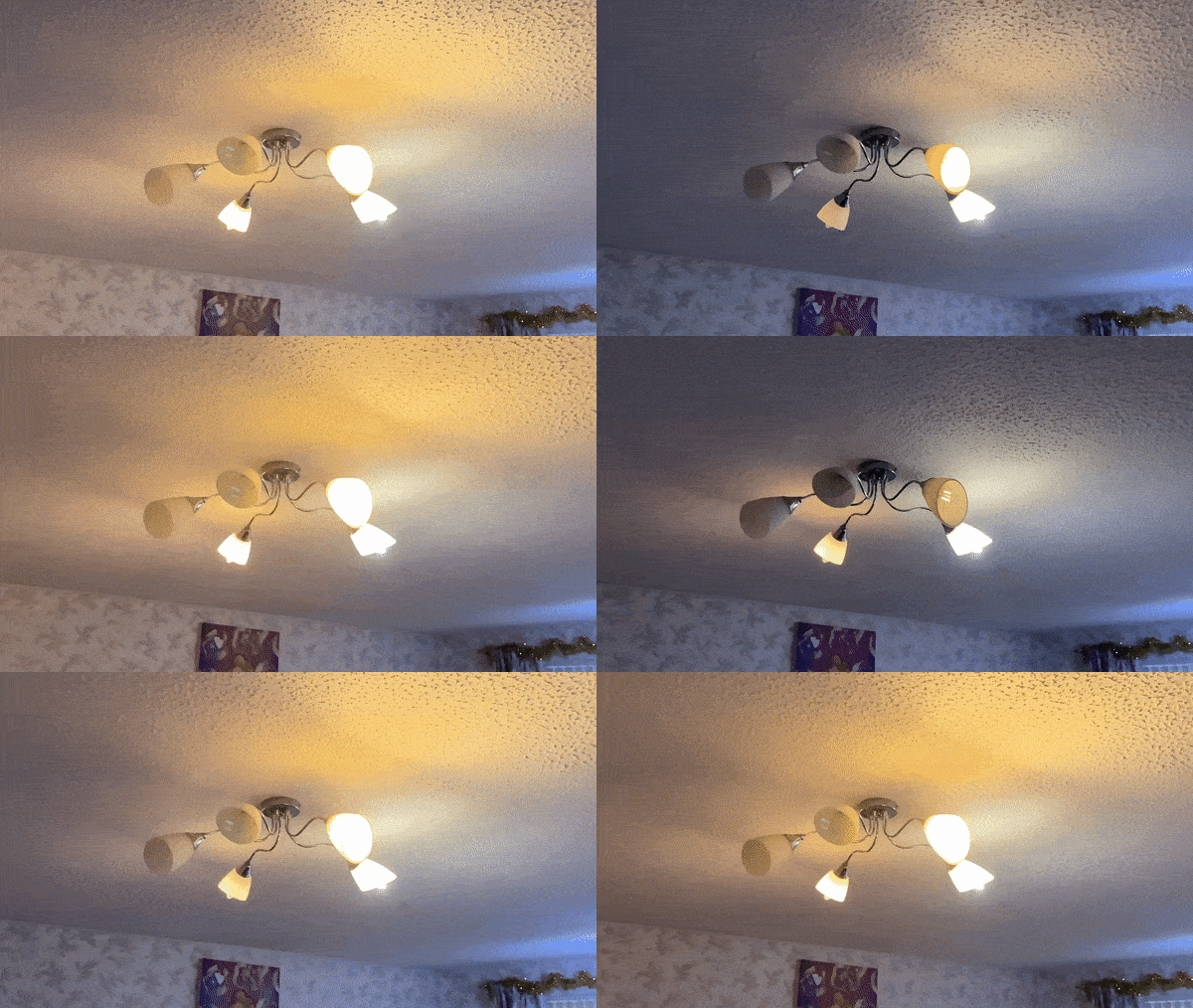
The real risk of a very loose bulb is mechanical, not electrical. If it’s barely seated in the fitting, it can fall — and the higher the fixture, the worse the damage.
Pendant lights and hanging fixtures over dining tables, kitchen counters, or seating areas are particularly worth checking, because a bulb dropping from height onto a hard surface (or a person) can shatter and leave glass shards to clean up. The bulb is also more likely to burn out early if it spends a lot of time flickering.
Cleaning Up A Broken CFL
If the bulb that fell was a CFL, it contains a small amount of mercury — around 4 mg on average. The EPA’s recommended cleanup procedure is:
- Get people and pets out of the room.
- Open a window and air the room out for 5–10 minutes.
- Shut off your central HVAC.
- Use stiff cardboard or sticky tape to scoop up fragments and powder. Don’t vacuum — it can spread mercury vapor.
- Wipe hard surfaces with a damp paper towel.
- Seal everything in a glass jar or sealed plastic bag and dispose of it according to local rules.
- Continue ventilating the room for several hours afterward.
Don’t Tighten A Hot Bulb
If you suspect a bulb is loose, don’t try to tighten it by hand if it’s been switched on recently. Incandescent bulbs run very hot across the entire glass envelope. LEDs concentrate their heat at the heat-sink base, which can catch you by surprise — and on higher-wattage LEDs like PAR or BR floods, even the lens or reflector body can get hot enough to burn you. Switch off and let the bulb cool first.
Will Electricity Still Be Running Through The Bulb If It’s Unscrewed Slightly?
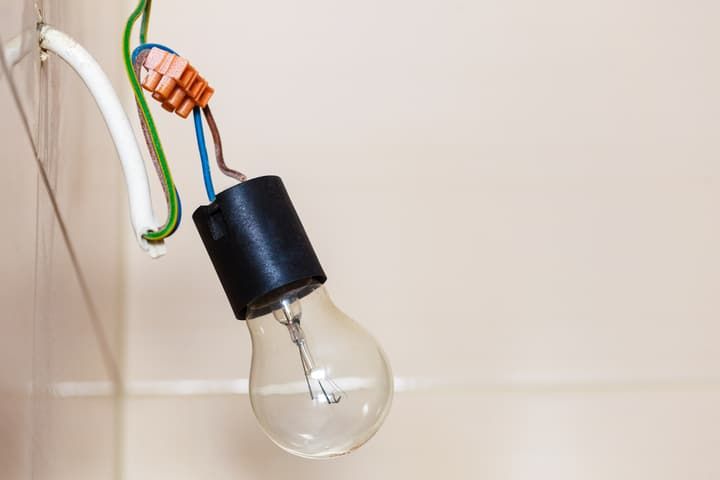
Electricity needs a closed circuit to flow. So whether current is running through a slightly unscrewed bulb depends entirely on whether the contacts are touching:
- If the bulb is in full contact with the fitting, current flows and the bulb works normally.
- If it’s loose enough that the contacts are separated, the circuit is open and no current flows.
There’s no electrical danger from an open circuit — there’s nothing to run through it.
Should I Leave A Dead Bulb Partially Unscrewed In The Socket?
Short answer: no — leave it fully screwed in. Three rules cover almost every case:
- If a bulb has blown, leave it fully screwed in until you can replace it. A blown incandescent has a broken filament, so the circuit is open and zero current flows. A dead LED is almost always the same — zero draw — though if only the LED chips fail and the driver stays intact, the driver may still pull a fraction of a watt. That’s far too little to notice on your bill.
- Don’t partially unscrew it. There’s no electrical benefit, and a slightly loose bulb adds a small risk of falling.
- Never leave the socket completely empty. That’s the most dangerous of the three options.
Why is an empty socket worse than a dead bulb? Over time, dust, lint, dead insects, or moisture can build up across the live contacts of an energized socket and create a conductive bridge — at worst, this can produce arcing hot enough to ignite the debris itself. The more immediate everyday risk is something conductive making contact with the contacts: a child’s finger, a metal object, or a foil-backed decoration.
If you have to leave a socket empty for any length of time — a fixture mid-renovation, or a bulb you can’t replace immediately — fit a cheap plastic socket cap (sometimes sold as a socket cover or socket filler). They cost a few dollars and physically block anything from getting near the contacts.