
Choosing Between 2700K And 3000K: Which One Do I Need?
Sunset light sits between 2000K and 3000K — which puts a 2700K bulb closer to winding your body down for sleep than most people realize when they're just grabbing a bulb off the shelf.
 Eugen
EugenEugen Nikolajev
Creator of LED Lighting Info
Hi, I am Eugen. I was always one of those kids who had all sorts of weird lighting gadgets for every occasion.
Now, I want to share my knowledge and experience about lighting with you on LED Lighting Info.
Read my editorial standards
Key Takeaways
Both 2700K and 3000K sit on the warmer end of the Kelvin scale. 2700K is warmer, while 3000K is approaching a middle ground – it’ll look more like a ‘pure’ white.
Light temperature – how warm (yellow) or cool (blue) the ‘white’ is – is measured in Kelvins.
The lower the number, the warmer the light, which means it’s closer to an orange or yellow shade. The higher that number goes, the cooler and more blue the light.
So when you’re shopping for light bulbs, which one should you choose? Here’s what this guide covers:
- The difference between the two colors, in more detail
- Which is closer to natural light
- Which bulbs to buy for a living room (and other rooms)
- Smart bulb options, plus notes on CRI and dimming
What Is The Difference Between 2700K And 3000K
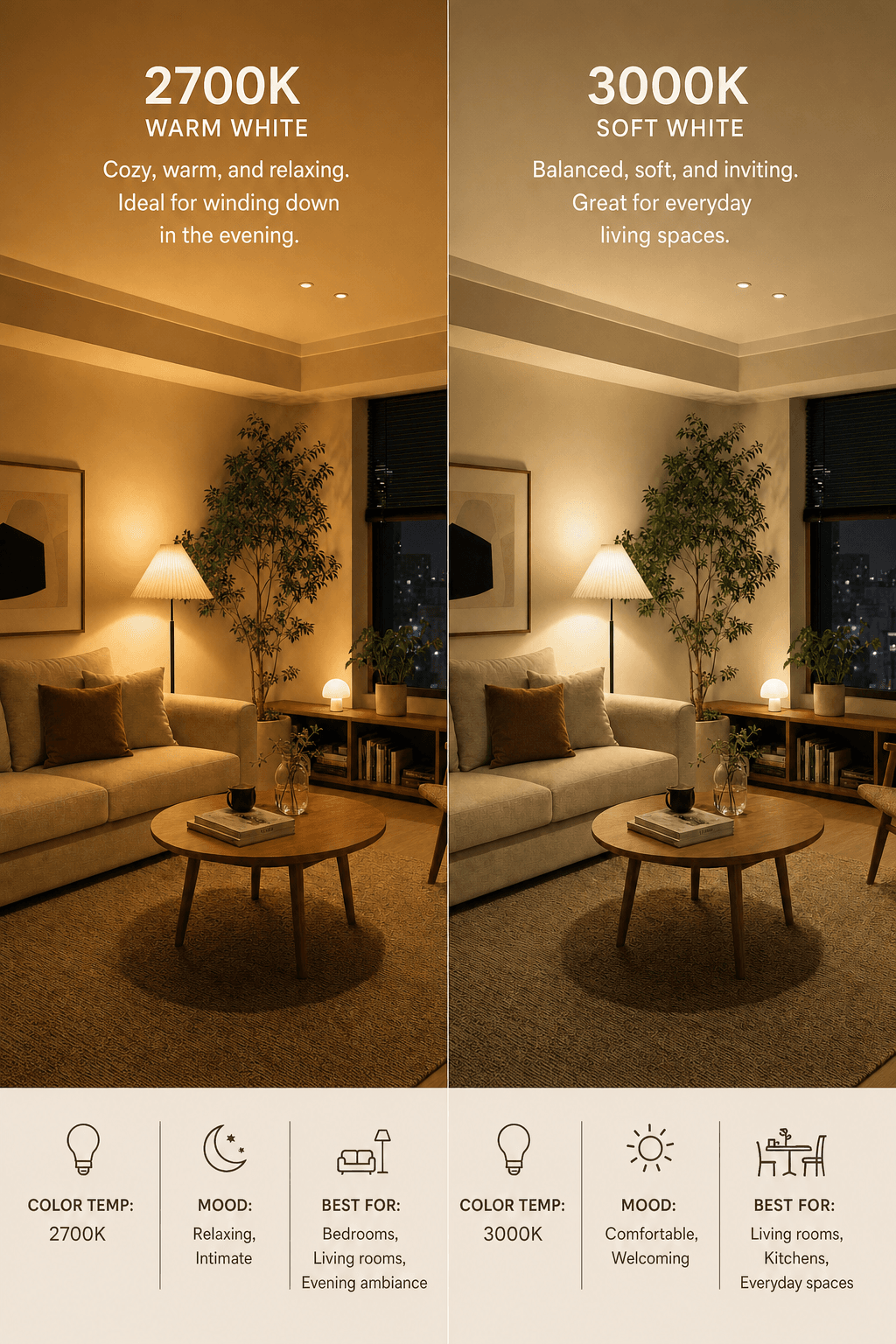
The color of a ‘white’ bulb runs on a scale, from warm soft whites bordering on yellow or orange, all the way to cooler temperatures that are almost a blue-white.
It’s essential to note here that light color (temperature) and brightness are completely different things. There’s no correlation between Kelvin and lumens.
Some people think that a softer, warmer white will be dimmer, but you can have a super-bright warm light or a dim, cool light.
Most bulbs you'll find at Home Depot or B&Q sit somewhere between 2200K and 6500K, so you can tell immediately that 2700K and 3000K aren’t hugely different.
But that doesn’t mean they’re identical. When you’re lighting a room, the difference isn’t subtle – you can notice it with the naked eye.
2700K bulbs are clearly warmer and closer to that yellow-orange hue, while 3000K starts to approach a more pure ‘white’ that sits between yellow and blue.
What Temperature Is Closer To Natural Light?
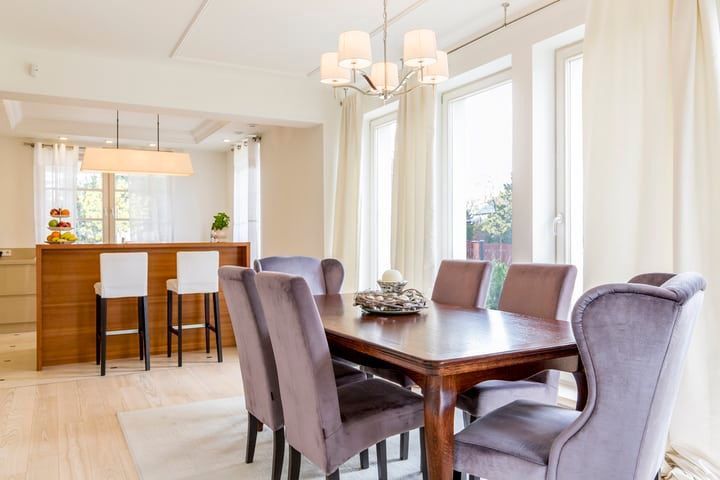
Natural midday daylight sits somewhere between 5500K and 6500K – that’s when the sun is high in the sky, and there’s not a cloud to be seen.
So, think about it – is that really the color you want lighting up your living room in the evening?
Most people use their living room light after the sun has gone down, or once they’ve drawn the drapes for some privacy. A bulb that recreates a midday feel will be uncomfortable in that context – you want something closer to sunset.
There’s no single agreed value for the Kelvin temperature of sunset, because how do you measure it? No two sunsets are the same – the sun can vary between a mild orange and deep red shades. And there’s no agreed way to measure the light: are you measuring the deep glow of the sun itself, or the surrounding light that’s starting to blend with the shadows of the night?
Despite the lack of a single number, sunset light is generally accepted to fall somewhere between 2000K and 3000K. That makes a 2700K bulb the better choice if you want the most relaxing light at night.
This isn’t just about ambience. Bright, blue-rich light suppresses melatonin and signals ‘daytime’ to your body, while warm light around 2700K mimics sunset cues that help your circadian rhythm wind down for sleep – the same reason staring at screens late at night makes it harder to settle.
Which Temperature Is More Suitable For A Living Room?
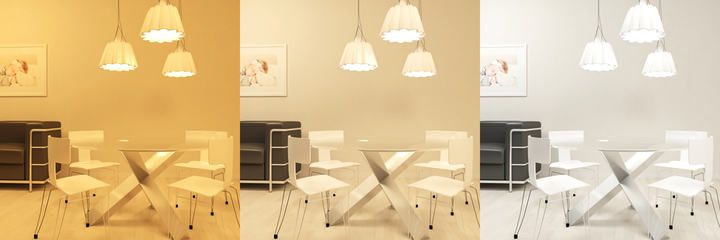
Getting the perfect color is important for setting the mood – but you don’t need to stick to just one choice. Layer the temperatures by fixture:
| Fixture Type | Recommended Temp | Why |
|---|---|---|
| Ceiling light / spotlights | 3000K | General brightness, keeps the room well-lit without feeling drowsy |
| Table lamps / floor lamps | 2700K | Warmer, more relaxing glow for evenings and movies |
On movie night – or any time you want a more peaceful atmosphere – switch off the ceiling lights and rely on the warm glow of the lamps.
What About Other Rooms?
The same logic applies elsewhere in the house, with one twist: rooms where you need to see clearly tend to call for slightly cooler light.
- Kitchen: 3000K–4000K. Slightly cooler light makes prep easier and helps you judge whether meat is cooked through or produce is fresh.
- Bathroom: 3000K–4000K. Good for mirrors, makeup, and shaving. Some people prefer 2700K for a spa-like feel, especially around a tub.
- Bedroom: 2700K or warmer. Same circadian logic as the living room in the evening – warm light signals wind-down.
- Home office: 3500K–4000K. Cooler light during the day helps with focus; pair with warmer task lighting for evening work.
The Smart Bulb Option
Want to be covered either way? Choose a smart bulb – but not just any. Pick one that lets you change the color temperature. Philips Hue offers three tiers:
- Hue White – fixed warm white (2700K), dimmable only. Cheapest option, but no temperature control.
- Hue White Ambiance – tunable white from roughly 2200K to 6500K (Amazon). This is the one you want for the layering trick: one bulb, every temperature.
- Hue White and Color Ambiance – full RGB color plus tunable white. The flagship tier; covers both ambient lighting and color effects.
As a rough price anchor, White Ambiance bulbs typically cost 2–3× a standard LED, with full-color bulbs costing more again – worth budgeting for if you’re swapping multiple fittings. Other brands offer tunable white bulbs too, but always check the specs before you buy: ‘smart’ doesn’t automatically mean ‘color temperature adjustable.’
Two More Things Worth Knowing
Color Rendering Index (CRI). CRI measures how accurately a bulb renders colors compared to natural light, on a scale of 0–100. Two bulbs with identical color temperatures can make food, art, or skin tones look very different. Look for CRI 90+ in spaces where color accuracy matters – kitchens, bathrooms, and rooms where you display artwork.
Warm dimming. Many 2700K LEDs (especially incandescent-style bulbs) shift even warmer as they dim, sometimes dropping toward 2200K at low settings. This is intentional – it mimics how a real incandescent glowed at half power – but it can be surprising. A 2700K bulb at 50% won’t look the same as at full brightness, which is worth keeping in mind when you’re layering ceiling and lamp light.
Final Words
My rule of thumb for a living room: 3000K overhead for general brightness, 2700K in lamps for warmth, and switch between them depending on whether you’re reading, eating, or settling in for a movie.
If you don’t want to commit to one or the other, a White Ambiance smart bulb gives you both temperatures from the same fixture and lets you tune by time of day or activity.
Honestly, the 300K difference doesn't matter to most people. But if you've ever been in a room that felt 'wrong' and couldn't tell why, this is one of the reasons.