
Can You Paint LED Light Bulbs?
A yellow filter on a cool-white LED doesn't just warm the tone — it absorbs blue wavelengths and cuts brightness too, so you may end up with dimmer light than you bargained for.
 Eugen
EugenEugen Nikolajev
Creator of LED Lighting Info
Hi, I am Eugen. I was always one of those kids who had all sorts of weird lighting gadgets for every occasion.
Now, I want to share my knowledge and experience about lighting with you on LED Lighting Info.
Read my editorial standards
Key Takeaways
LEDs are safe and easy to paint as long as it's done correctly. Use heat-resistant glass paint and avoid flammable substances such as oil paint or nail varnish. For a diffused effect, sand the bulb before applying the paint.
Painting an LED bulb is cheaper than buying colored LEDs — but only if you use the right paint.
While colored LEDs have become more accessible, there's still a notable price difference between white LEDs and their colored counterparts. A bit of paint is the cheapest way to close the gap.
A quick caveat before we start: these instructions apply to standard A-shape (A19) bulbs with glass or polycarbonate envelopes. LED strips, MR16 spotlights, and exposed-filament bulbs require different approaches.
Is It Safe To Paint LED Light Bulbs?
The most common cause for concern in this area is safety. Just how safe is it to paint an LED bulb?
When applied to a light bulb, paint acts as a coat of insulation — it makes it difficult for heat to escape.
The surface of a bulb typically serves as a heat dissipation device: excess heat is released through the glass or plastic envelope. Adding a layer of paint causes heat to build up inside the bulb.
With conventional bulbs, such as incandescents and fluorescents, this can be extremely dangerous. If they get too hot, the inside filament will snap, and the bulb will blow. At the extreme end of the scale, the glass itself may even shatter or explode.
With LEDs, it's not nearly the same risk. LEDs still produce heat, but far less than conventional bulbs — A19 surface temperatures typically sit around 40–70°C (104–158°F).
Even so, heat is the enemy of LEDs. By painting your bulbs and allowing excess heat to build up, your LEDs will gradually dim. This is called lumen degradation.
So to put it simply: yes, it's safe to paint LEDs, but it will shorten their lifespan.
Standard mains-voltage LED bulbs contain an internal driver that regulates current to the LED chips. (External transformers are only used with low-voltage systems such as 12V MR16 bulbs or LED strip lights.) This circuitry isn't a substitute for safe practice, though — always unplug the bulb before painting.
The LED chip itself is encapsulated in a tough epoxy resin, and many bulbs use polycarbonate (plastic) outer globes that are far more shatter-resistant than incandescent glass. Be aware, though, that some LED bulbs still use glass envelopes — check yours before assuming it's shatterproof.
If you're apprehensive, always err on the side of safety when it comes to electricals. Unplug your LEDs before you begin painting and ensure the paint is fully dry before you plug them back in. Work in a ventilated area — sanding generates fine particulates, and paint fumes can build up in enclosed spaces.
What Paint Works on LED Bulbs?
Now that you know it's safe to paint LEDs, you're probably wondering what kind of paint you'll need. Will standard acrylic paint from a craft store work?
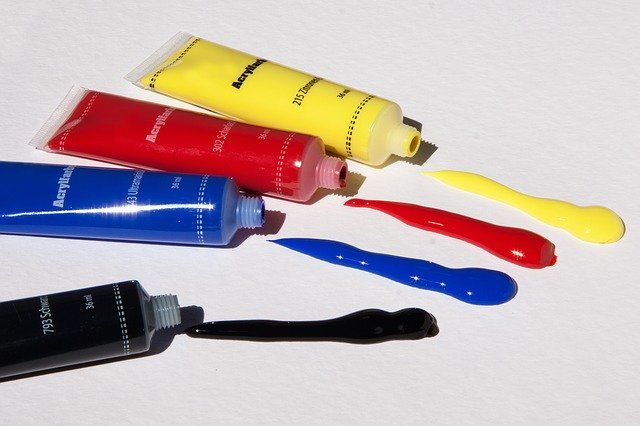
Acrylic paint
Acrylic paint is water-based, and although LED bulbs run cool compared to incandescents, the residual heat is still enough to make acrylic discolor, fade, or degrade over time. It's fine for a short-lived effect but won't hold up to long-term use.
Oil-based paint
Oil-based paints aren't suitable. Oil is highly flammable, so it's a real safety hazard once the bulb warms up. Skip it.
Heat-resistant glass paint
This is the right pick for anything you want to last. Much like acrylics, these paints are water-based, but heat-resistant additives stop the paint from degrading or shifting color at LED operating temperatures.
The one downside is that any paint will reduce lumen output. Depending on opacity, painted bulbs will be dimmer than non-painted ones — and with very opaque coats, the light may not be usable at all.
Here's how the main options compare:
| Paint Type | Heat Safe? | Durability | Best For |
|---|---|---|---|
| Acrylic | Partial | Low | Temporary use |
| Oil-based | No | N/A | Not recommended |
| Heat-resistant glass paint | Yes | High | Permanent use |
| Sharpie markers | Partial | Low–Medium | Quick, reversible |
What about Sharpie markers?
If you don't already own heat-resistant glass paints, you may find yourself forking out anything between $10 and $30 on Amazon. Is there a cheaper, more accessible option?
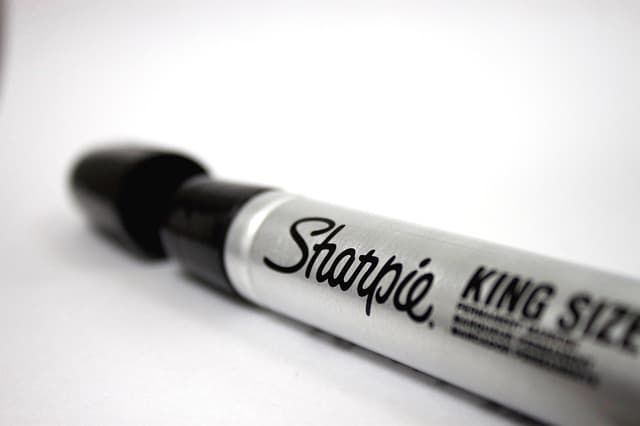
You can color LED bulbs with Sharpie permanent markers using a pen you probably already own. (Skip highlighters — their water-based fluorescent dye beads and smears on glass and polycarbonate, so it won't give a usable finish.)
Sharpies are available in a wide range of colors — well over 60 across their permanent-marker line — so there's something for everyone. You can even combine colors to create patterns on the bulb.
The benefit of Sharpies over paint is that they wipe off with a paper towel and rubbing alcohol, so changing your mind is cheap. Bear in mind that permanent doesn't mean forever, though — heat will cause Sharpie ink to fade over time.
How to Paint an LED Bulb: Step by Step
- Sand for diffusion (optional): Use fine sandpaper to lightly sand the entire bulb surface for a frosted, diffused effect. Wear a dust mask — glass and plastic particulates are fine and shouldn't be inhaled. Skip this step on filament-style LEDs, whose thin glass envelopes can crack under sanding pressure.
- Clean the bulb: Wipe with a paper towel and rubbing alcohol to remove any dust or grease on the surface.
- Prime the surface (optional): For an opaque look, apply a thin coat of paint primer. Check the bulb material first — standard glass primer behaves differently on polycarbonate, so pick a primer rated for whatever envelope your bulb has.
- Apply the paint: Use thin layers and cover the entire bulb so no white light shines through. For globe-style bulbs with accessible interiors, painting the inside gives better diffusion and protects the paint from being chipped.
- Let each layer dry fully: Allow each coat to dry thoroughly before plugging your LEDs in to check the result. Apply more layers if necessary.
Will Painting LED Bulbs Yellow Make the Light Look Warmer?
I've discussed themed parties and photoshoots, but what if you want a more permanent way to warm up your lighting?
CCT, measured in Kelvin (K), describes how warm or cool a light source appears — lower numbers like 2700K are warm and yellow, while higher numbers like 6500K are cool and blue-white.
When LED bulbs first hit the consumer market in the early 2010s, most people hadn't heard of correlated color temperature (CCT). Lots of people bought LEDs without paying attention to their CCT and ended up disliking the cool, blue-toned light they emit.
With that in mind, can you make cool LEDs look warmer by painting them yellow? Technically yes — but with a big caveat.
A yellow filter warms the color by absorbing blue wavelengths in the LED's output — which also cuts total light output significantly. Expect a painted cool-white bulb to look noticeably dimmer as well as warmer. In most cases, swapping a 5000K bulb for a 2700K–3000K warm-white LED gives you the same warm tone without the brightness penalty, so paint it yellow only if a new bulb isn't an option.
If you do paint, the trickiest part is finding the correct shade. The color of paint you choose is not necessarily the color that the light will emit. If your bulbs are extremely cool, a pale yellow will merely neutralize them so that they emit a balanced white. For a warm, yellow glow, you'll need a deeper shade of yellow or perhaps orange.
Final Words
If colored LEDs aren't accessible or you're looking for a creative way to spruce up the lights in your home, heat-resistant glass paint is the best long-term solution. For temporary effects, Sharpies or acrylic will do the job — just accept they'll fade as the bulb heats up.
Have you tried painting LED bulbs in the past? What kind of paint did you use?