LED Lighting — Page 7
Do LED Lights Emit UV Rays and Radiation?
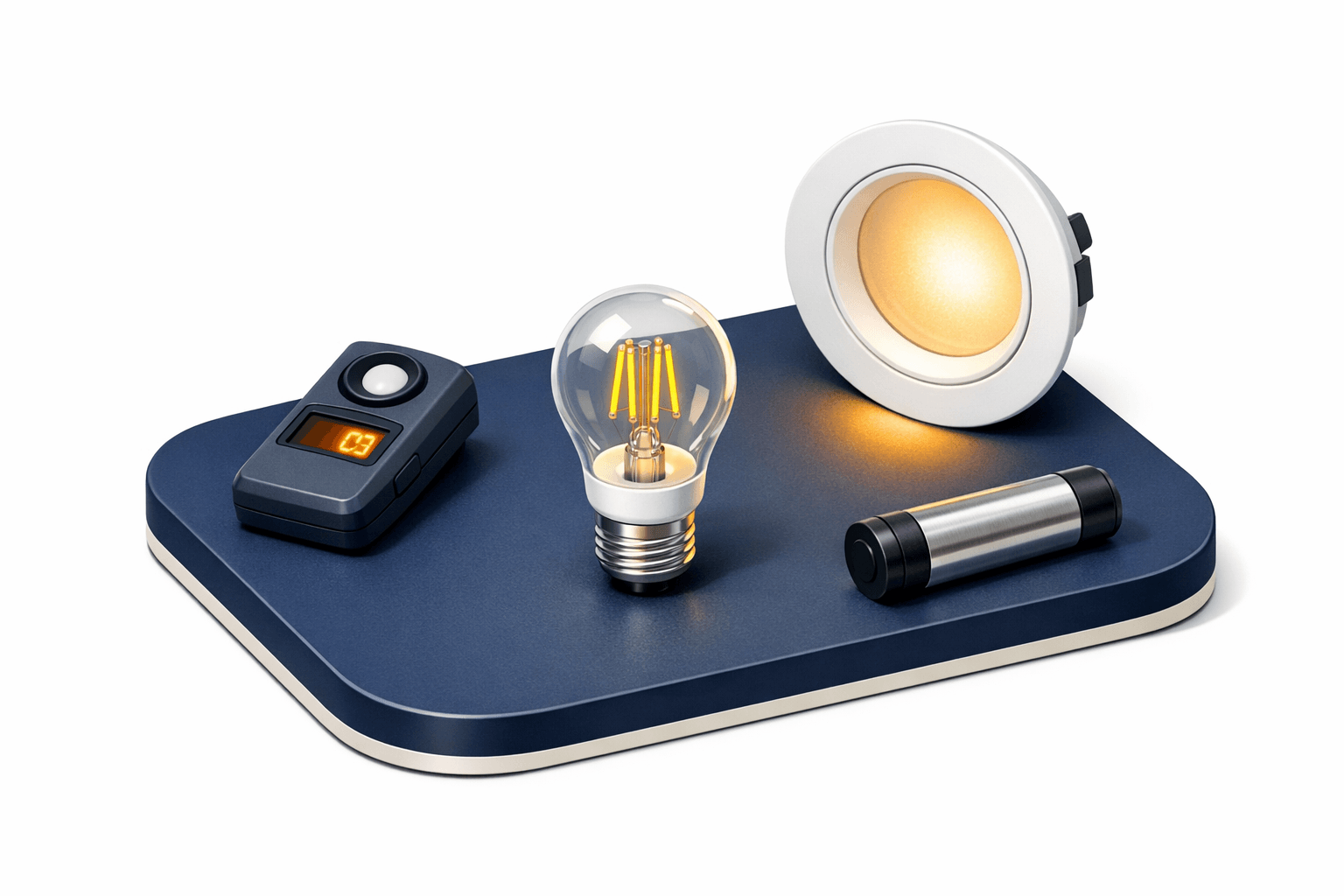
The phosphor coating that gives white LEDs their color also acts as a UV absorber — which is why standard household LEDs emit less UV than the incandescent bulb they replaced.
Can You Touch LED Bulbs With Your Hands?
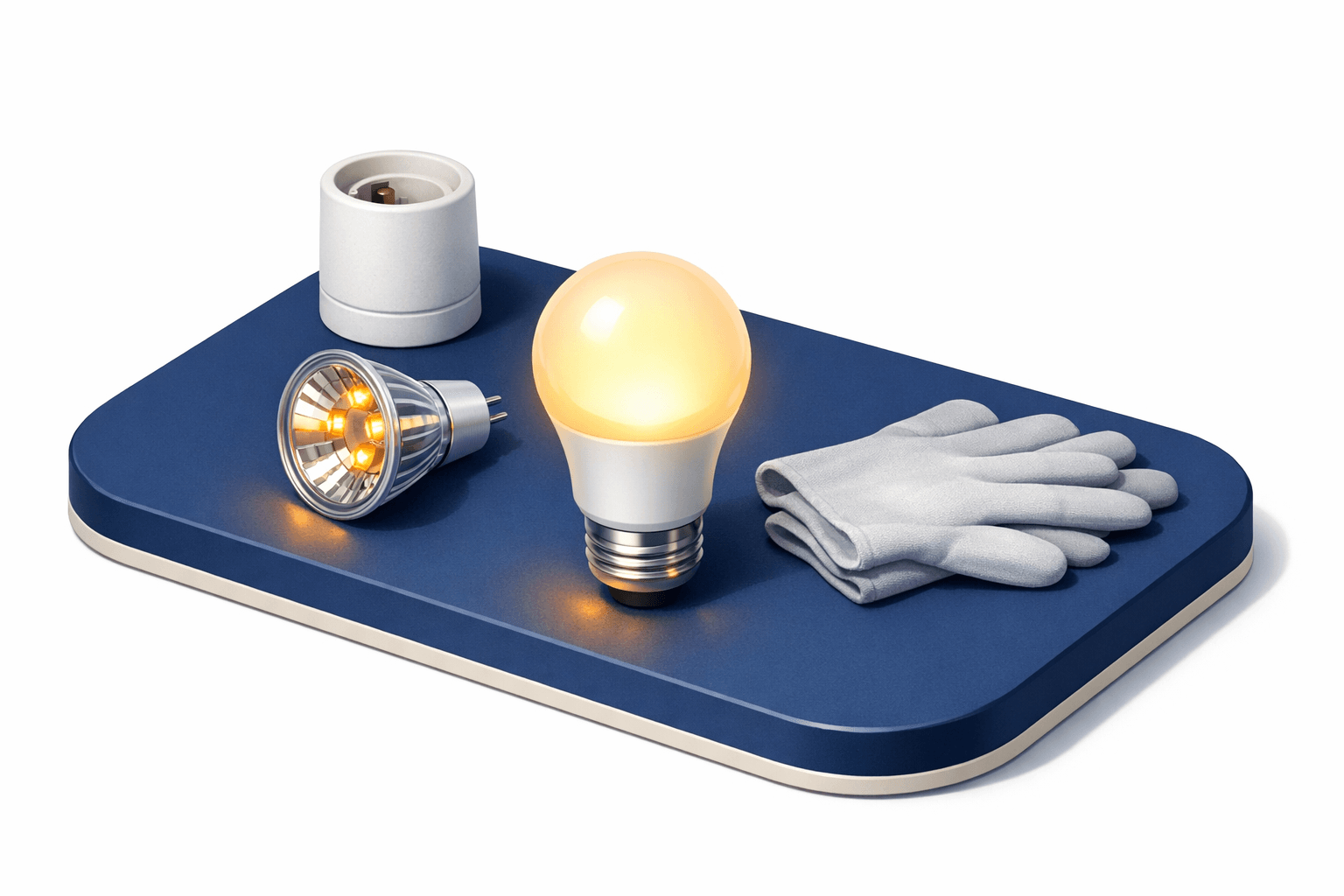
Touching an LED bulb with bare hands is fine — it's halogen bulbs where skin oils trigger devitrification, crystallizing the quartz envelope until it cracks under heat.
Do LED Lights Produce Heat?
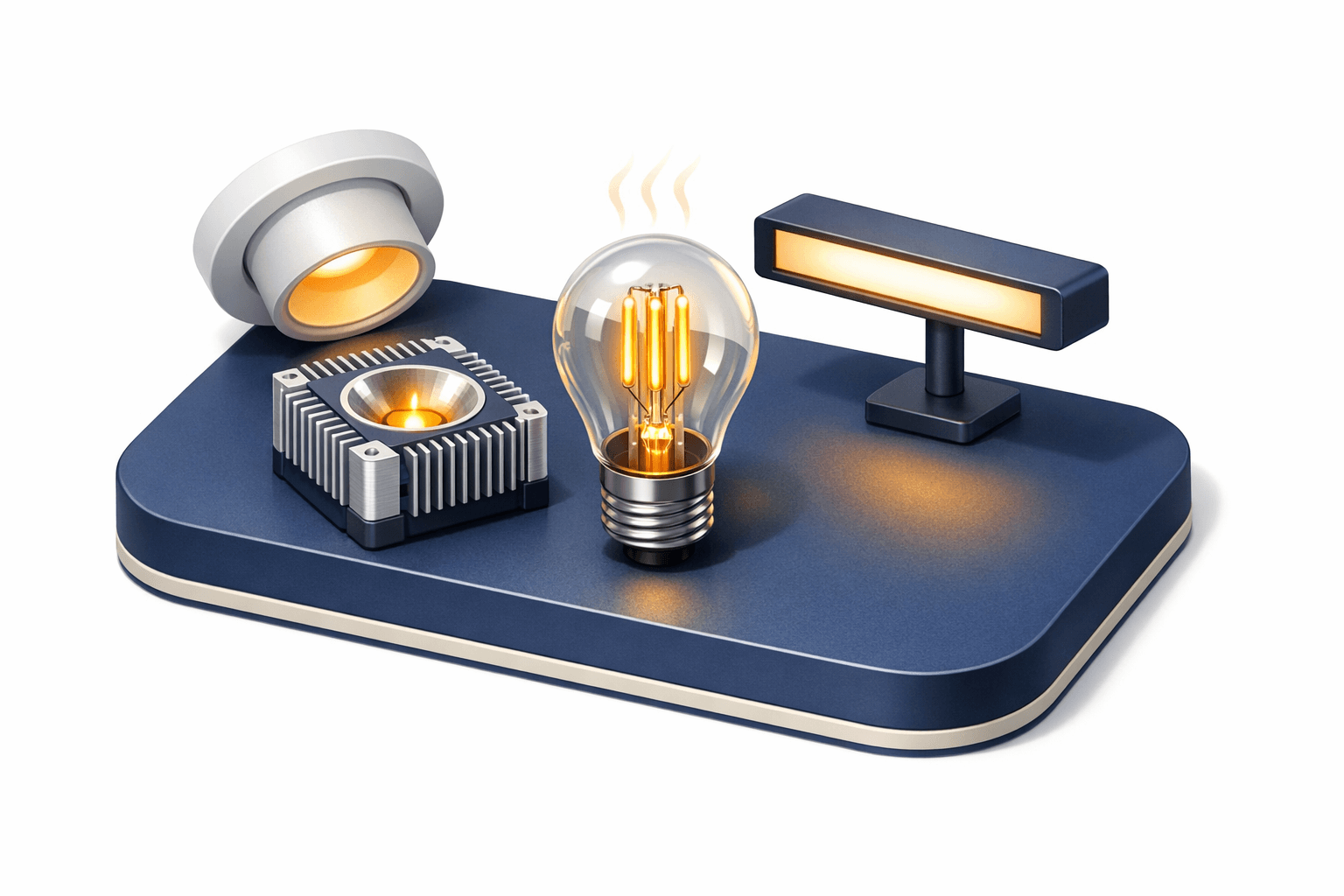
A 60W-equivalent LED draws only 9–10 watts and dissipates about 5–6 watts as heat — compared to 57 watts from the incandescent it replaces. Same brightness, a fraction of the warmth.
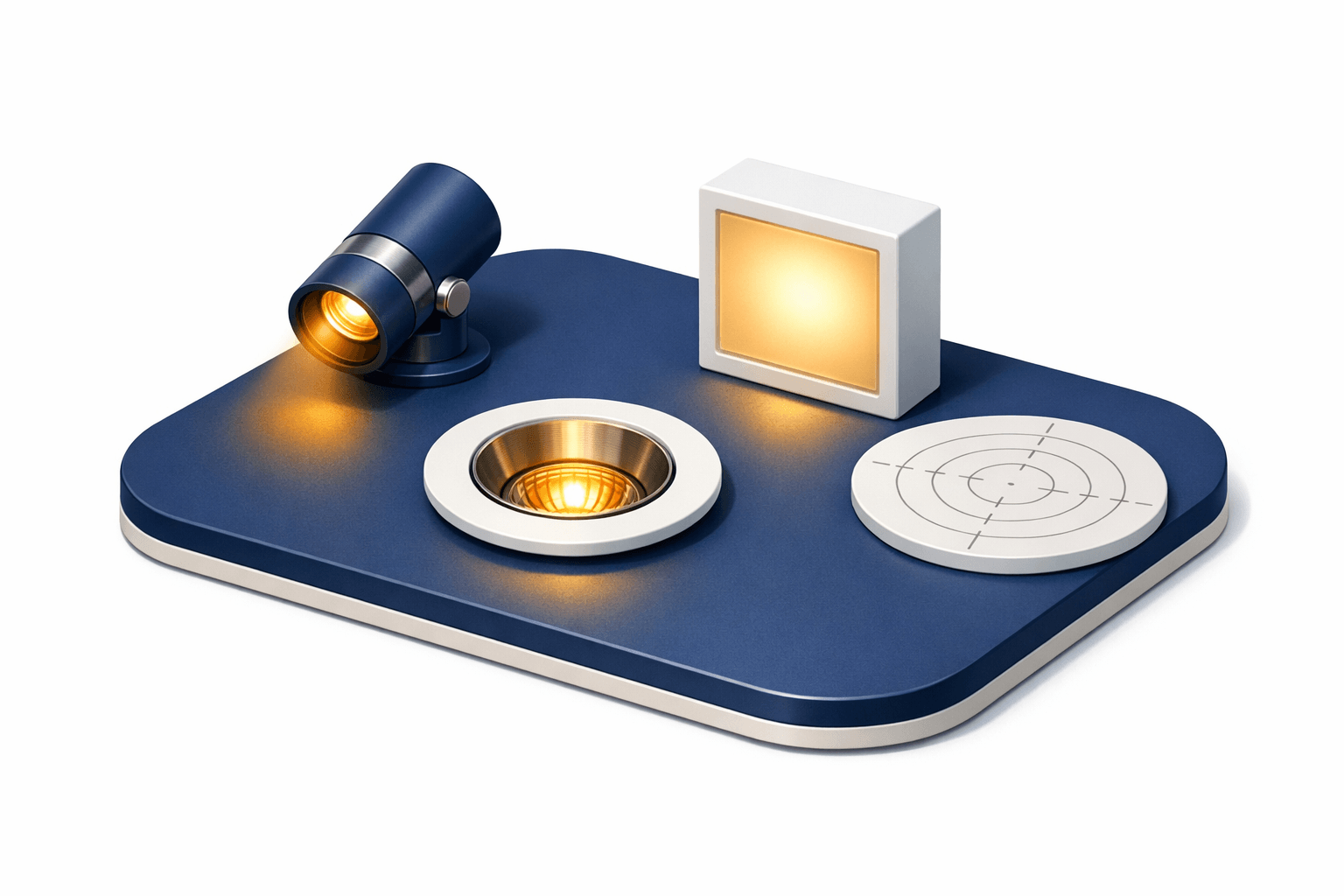
How To Position Spotlights In A Ceiling?
Ceiling height ÷ 2 is the spacing formula that stops a recessed lighting grid from scalloping into bright pools and shadows — and it shifts your wall offset too.
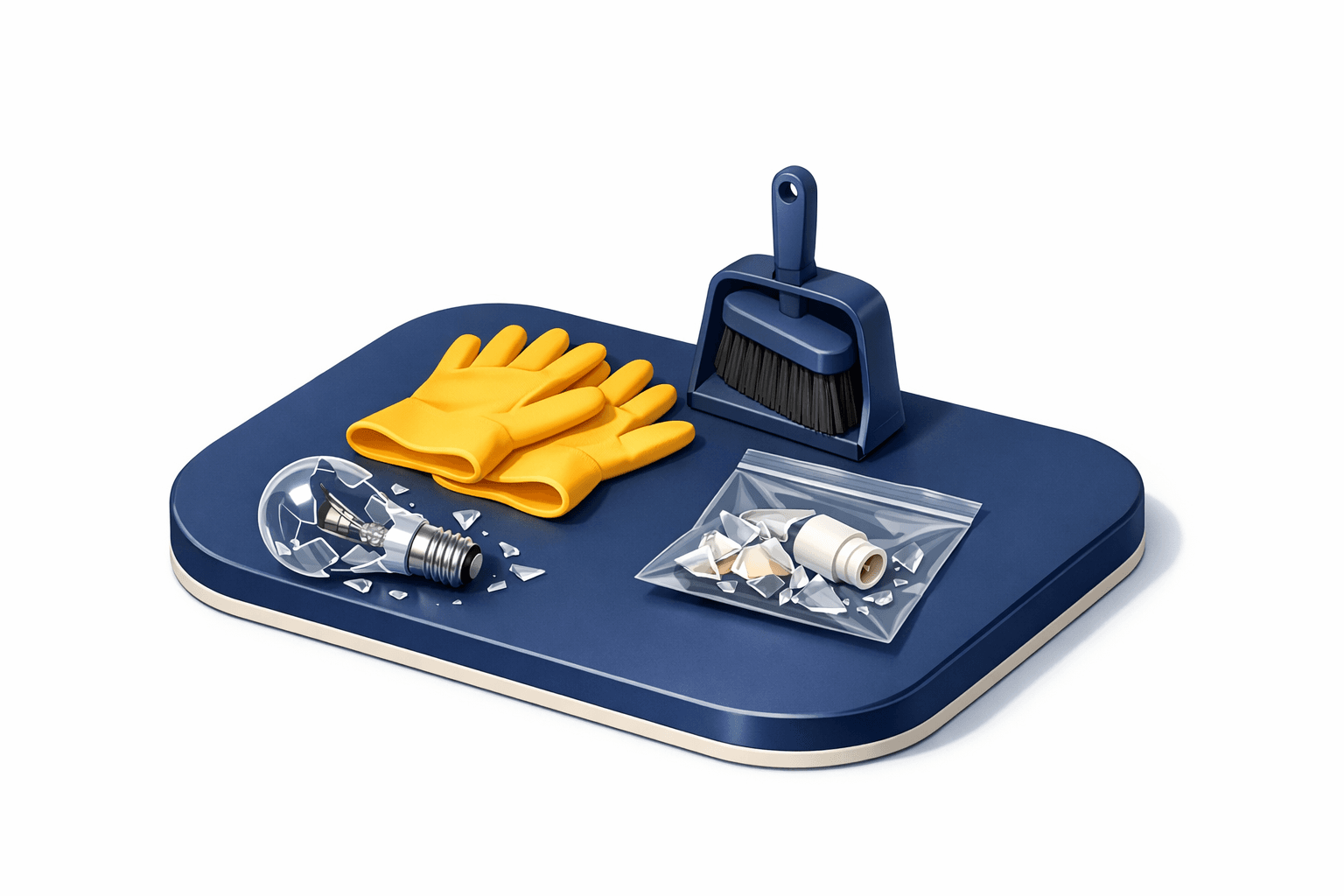
Are Broken LED Light Bulbs Dangerous?
CFLs needed mercury vapor to work — LEDs don't, and that single difference makes a broken LED about as hazardous as broken glassware. The real cleanup concern is the shards, not what's inside.
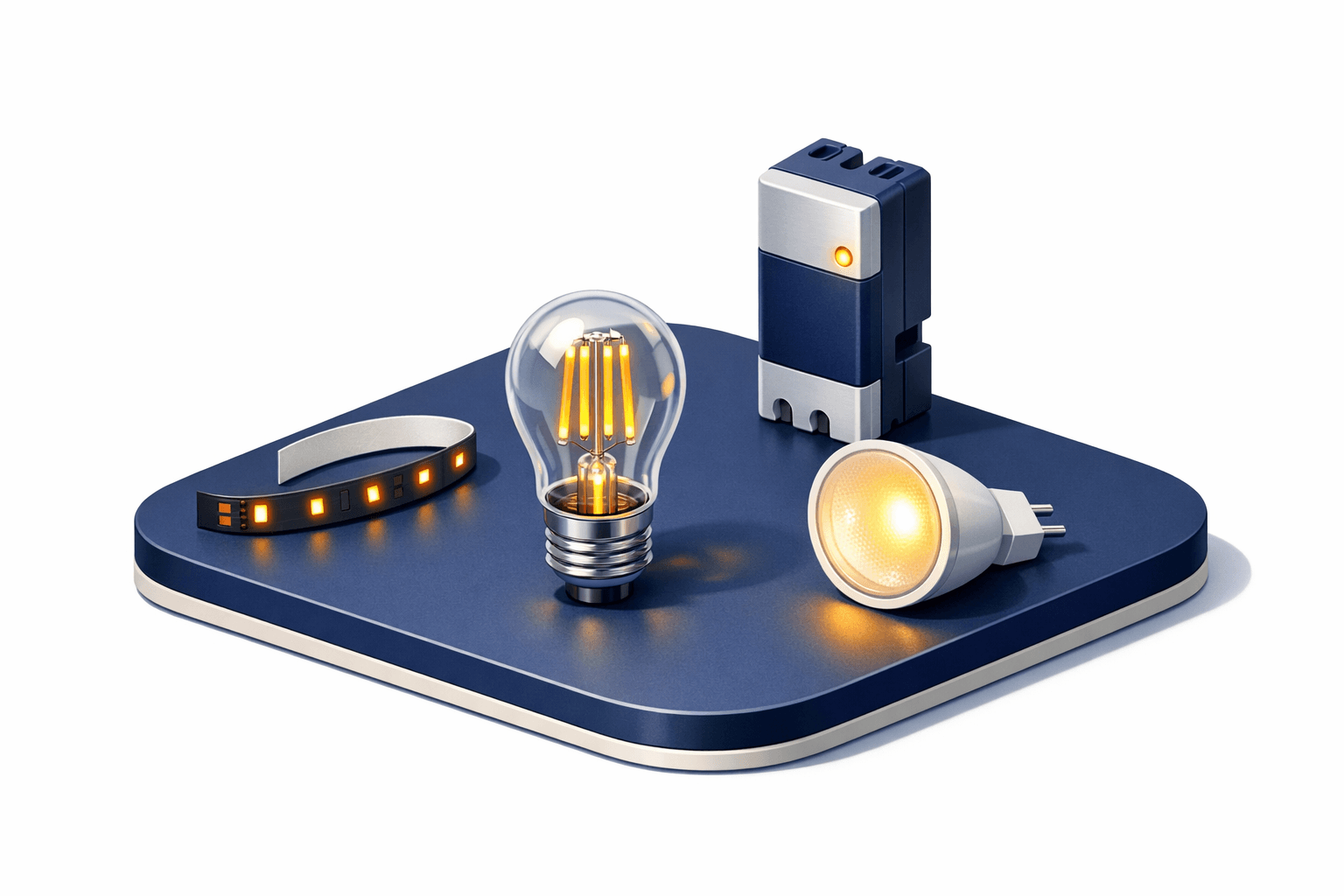
Do LED Bulbs Have Polarity?
A 9V battery connected backward can permanently kill a common indicator LED — its reverse breakdown threshold is often just 5V. That quiet failure is why polarity checks matter before any LED hits a circuit.
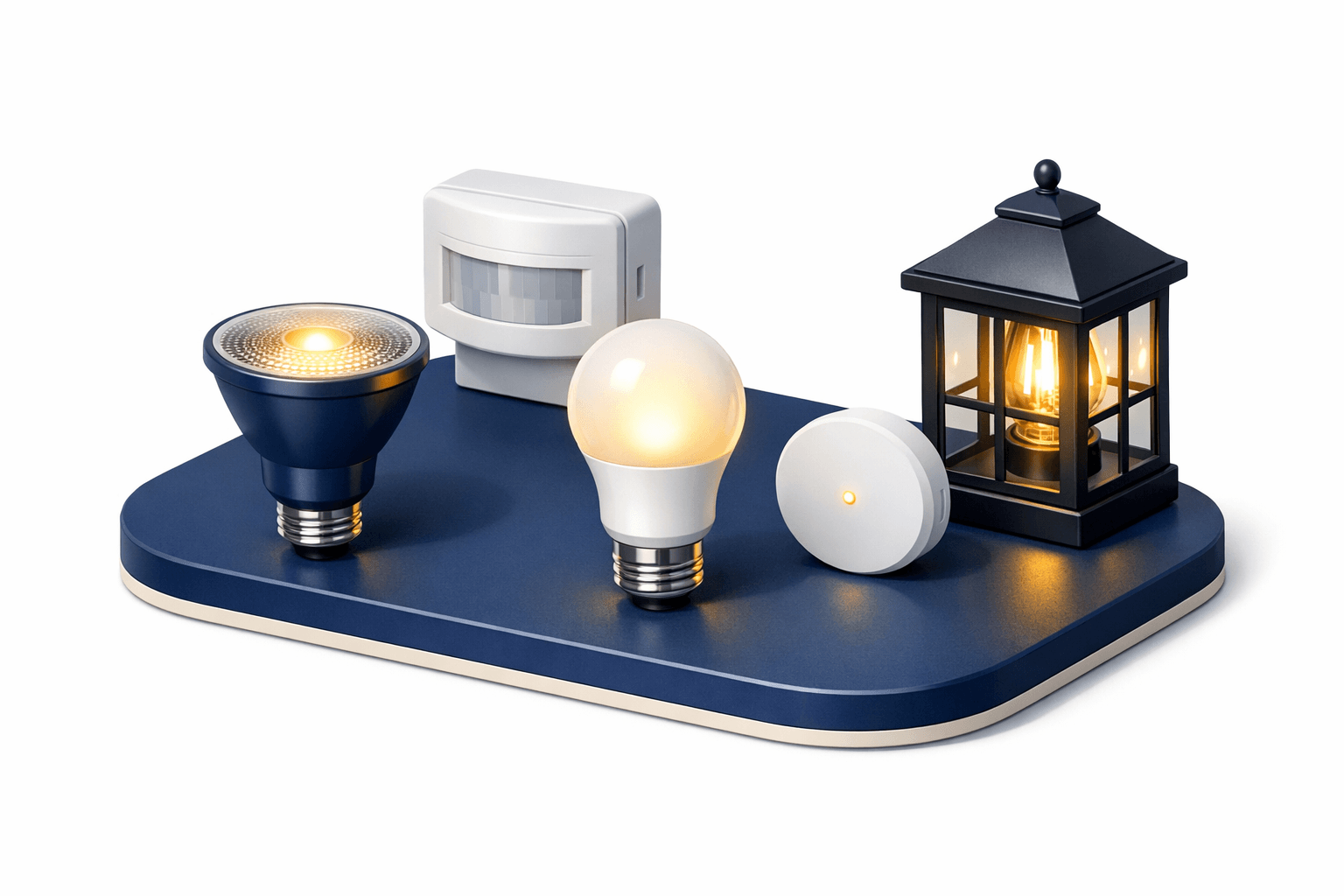
Do LED Bulbs Work With Motion Sensors?
That faint glow your LED holds even after the sensor cuts it isn't the bulb dying — it's the sensor quietly sipping current through the bulb to keep itself alive.
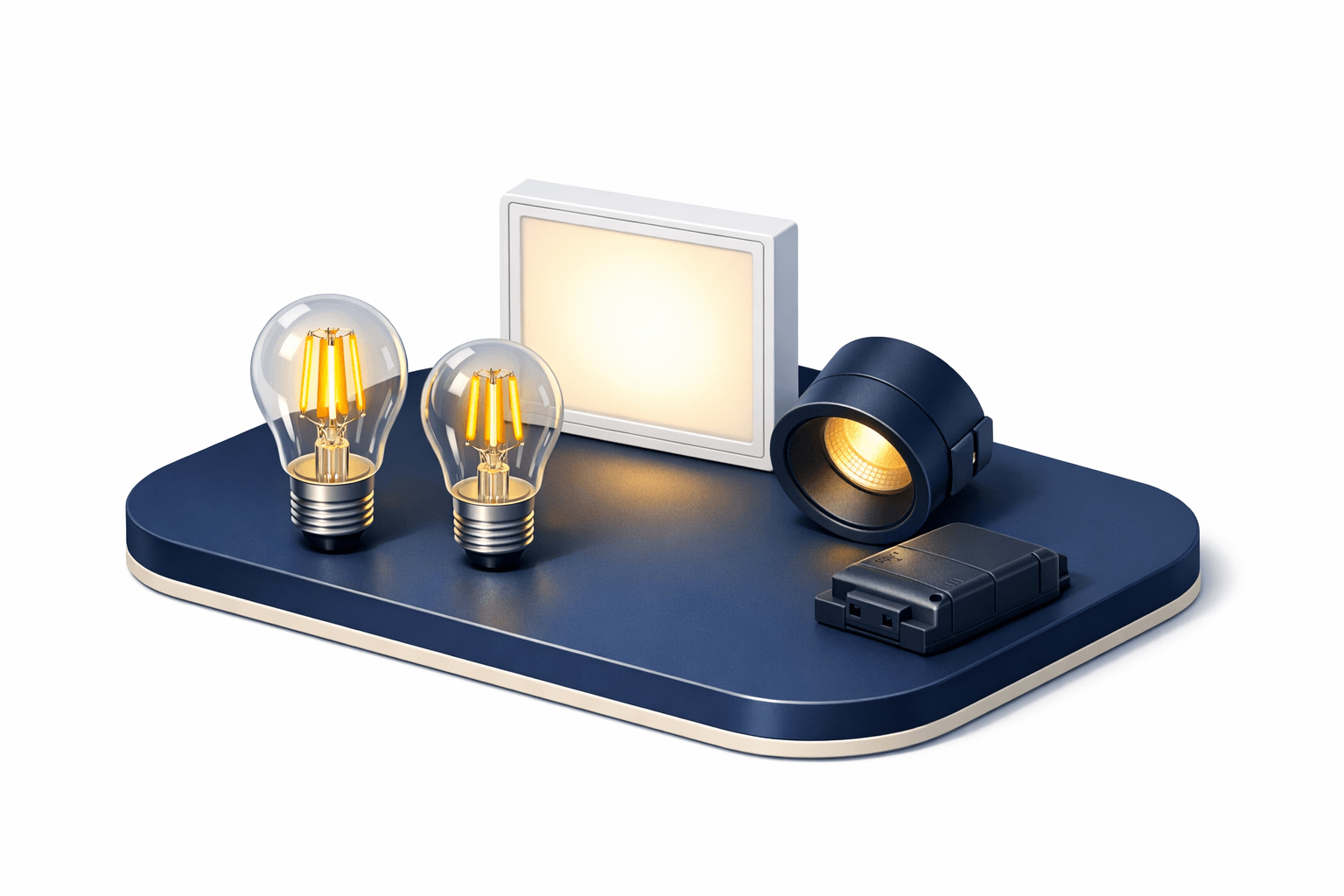
Do LED Lights Get Dimmer Over Time? LED Degradation Explained
LED bulbs don't burn out — they fade. And the culprit is often the cheap capacitor inside the driver, not the diode itself, dying years before the chip does.
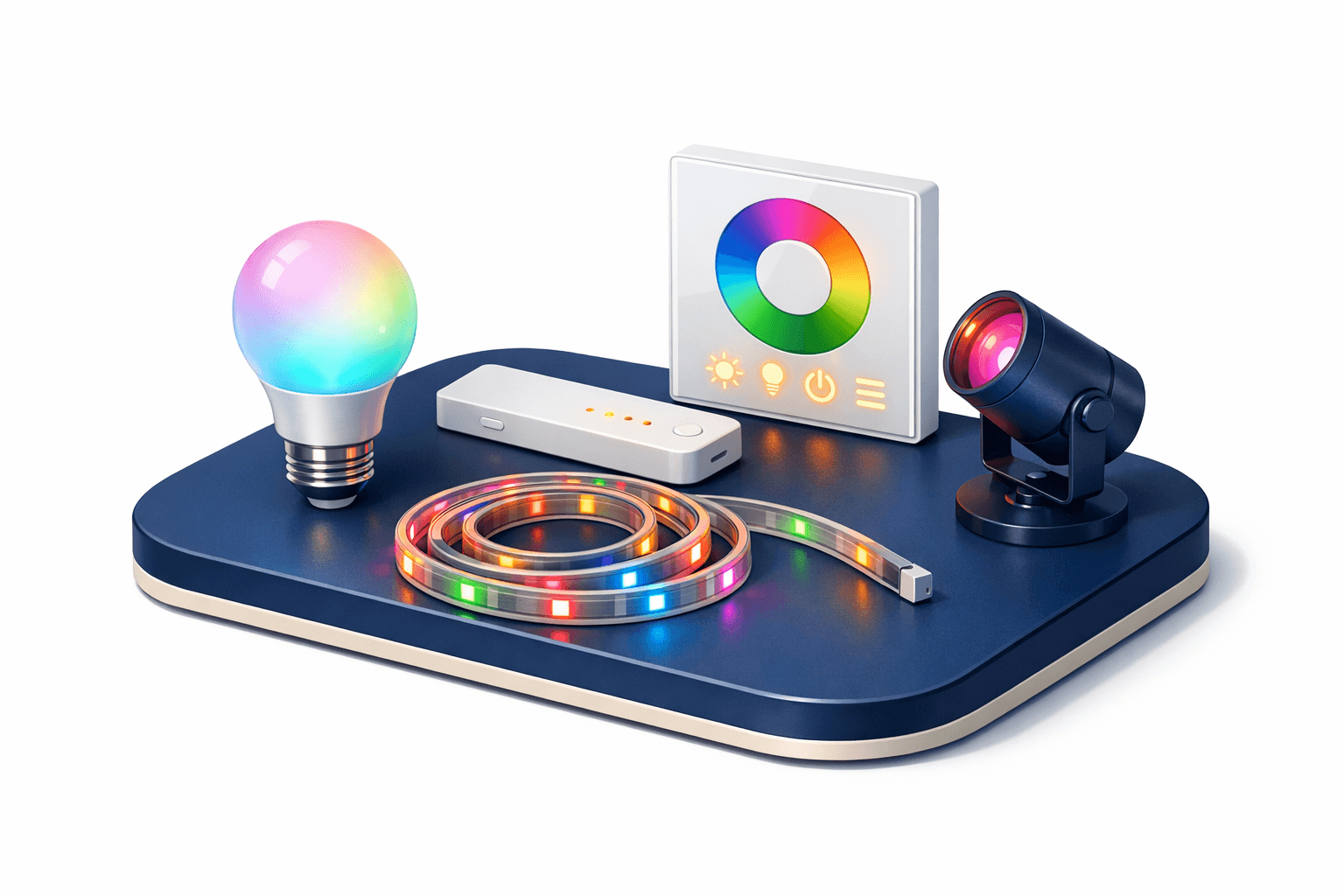
How Do LED Lights Change Color?
An RGB LED can generate 16,777,216 colors — and it does it with just three diodes by varying how much current each one receives.
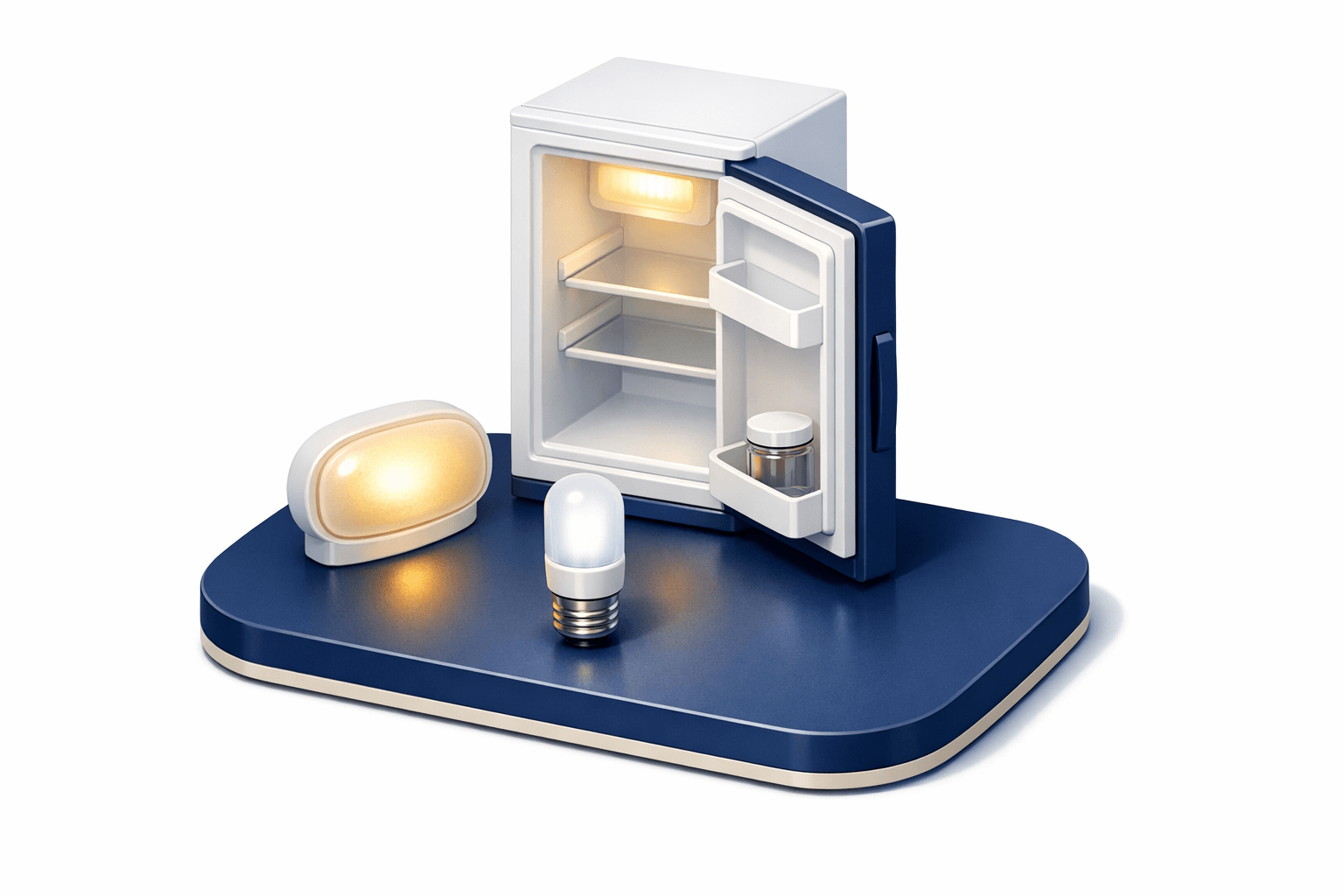
Can You Use LED Bulbs In Fridge?
Cold temperatures are actually good for LED diodes — it's the driver electronics inside the bulb that draw the line, especially in a freezer where temperatures can drop to -18°C.
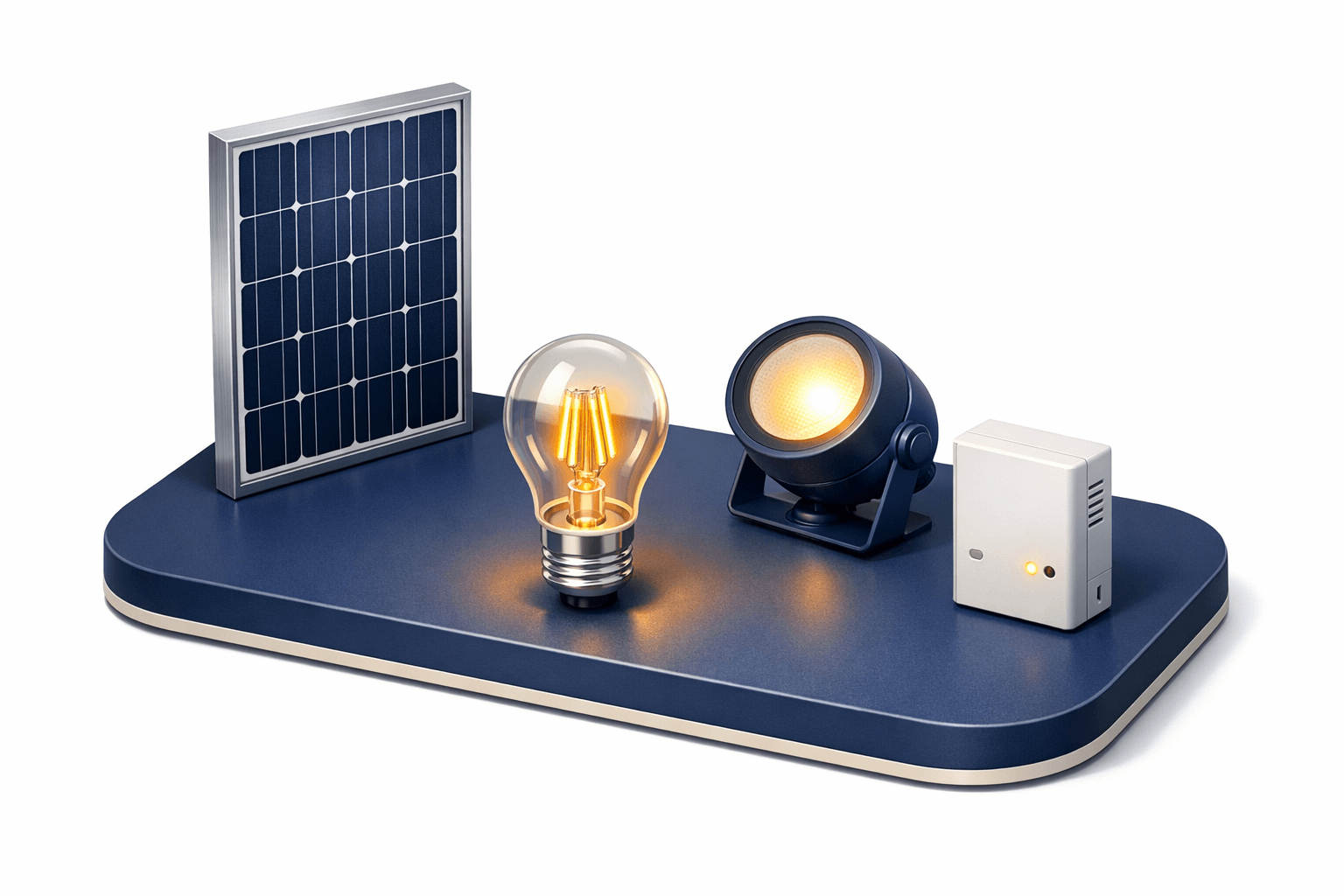
Can LED Lights Power Solar Panels?
Fifteen minutes of direct sunlight delivers as much energy to a solar watch as 8–10 hours under an LED bulb. Even heavy cloud cover usually beats an indoor light.
Can LED Lights Be Used in Enclosed Fixtures?
Drop a standard LED into a sealed globe fixture and its own driver will cook itself — flickering, early dimming, and auto-shutoff are the bulb telling you it's overheating, not failing.